
Saeam Kwon | 권새암
Saeam Kwon | 권새암
Saeam Kwon | 권새암
Privacy Policy
Terms of Service
Terms of Service
Legal Policy
Contact
Shipping Policy






Terms of Service
Shipping Policy
Privacy Policy
Legal Policy
Contact

Featured Collection
Saeam Kwon | 권새암
Ceramic ArtistCurrently based in Berlin, GermanyIn 2009, began working with clay and studying ceramicsTrained under Korean master potter Jungki Min, developing a foundation in traditional Korean ceramic techniquesContinued her ceramic practice in studios in Seoul and ParisIn 2017, moved to Berlin and established her independent ceramic practiceWorks primarily with fine stoneware, exploring minimalist forms, textured surfaces and lightnessHer work draws from traditional Korean ceramics while developing a contemporary approach to form and function
Selected Exhibitions2022 — Mind, Hand and Matter, Galerie im Körnerpark, Berlin2023 — Vessels, Galerie im Körnerpark, Berlin2024 — Korean Craft Show in Milan, Milan Design Week
Saeam Kwon | 권새암
Ceramic Artist
Currently based in Berlin, Germany
In 2009, began working with clay and studying ceramics
Trained under Korean master potter Jungki Min, developing a foundation in traditional Korean ceramic techniques
Continued her ceramic practice in studios in Seoul and Paris
In 2017, moved to Berlin and established her independent ceramic practice
Works primarily with fine stoneware, exploring minimalist forms, textured surfaces and lightness
Her work draws from traditional Korean ceramics while developing a contemporary approach to form and function
Selected Exhibitions
2022 — Mind, Hand and Matter, Galerie im Körnerpark, Berlin
2023 — Vessels, Galerie im Körnerpark, Berlin
2024 — Korean Craft Show in Milan, Milan Design Week
Zheng Bixin is a ceramic artist whose practice sits at the intersection of vessel making, tea culture, and lived ritual. As the founder of Yangyu Handmade Studio in Jingdezhen, his work is shaped by long-term engagement with Chaozhou Gongfu tea culture and an insistence on functionality as a core measure of value.
For him, teapots and vessels are not autonomous objects but tools for use, observation, and repetition. This grounding in tea practice gives his work a clear direction, where form, balance, and material response are always tested through daily interaction rather than abstract intent.
Saeam Kwon is a Korean ceramic artist whose practice brings together traditional Korean influences and a contemporary approach to vessel making. Based in Berlin, her work is shaped by an interest in simplicity, proportion, and the tactile qualities of clay, expressed through finely made stoneware and restrained forms.
Her vessels are distinguished by their lightness, subtle textures, and careful attention to detail. Rather than directly reproducing traditional forms, Kwon draws from their underlying sensibilities, allowing familiar references to develop into a language of her own. Through this balance of material, form, and function, she creates objects intended to become part of everyday life.
Her path into ceramics began in 2009, when she started working with clay and developing the foundations of her practice under Korean master potter Jungki Min. This early training introduced her to traditional Korean approaches to vessel making and established a close attention to material, proportion, and function.
She later continued her practice across studios in Seoul and Paris, gradually developing a more personal language around fine stoneware, restrained forms, and textured surfaces.
In 2017, Kwon moved to Berlin, where she established her independent practice. Working between the influence of Korean ceramic traditions and her contemporary surroundings, she continues to refine a body of work defined by lightness, simplicity, and subtle variations in form and surface.
His path into ceramics began in 2014 at Hanshan Normal University, where he studied ceramic art, gradually narrowing his focus toward teapot making by 2015.
In 2016, he turned toward wood firing, drawn to its unpredictability and the way it resists surface control. This shift marked a deeper commitment to process over finish.
The founding of Yangyu Handmade Studio in 2018 formalized this direction, anchoring his work in Jingdezhen while allowing him to develop a sustained, personal language rooted in making rather than production.
Saeam Kwon’s vessels are defined by restraint, lightness, and a careful attention to proportion. Forms are reduced to their essential elements, allowing subtle changes in silhouette, weight, and surface to shape the character of each piece.
Working primarily with fine stoneware, Kwon often uses dark, textured clay alongside delicate detailing and finely balanced forms. Variations in surface and material remain visible, giving each vessel an individual presence while maintaining a sense of simplicity and precision.
Saeam Kwon | 권새암
Ceramic ArtistCurrently based in Berlin, GermanyIn 2009, began working with clay and studying ceramicsTrained under Korean master potter Jungki Min, developing a foundation in traditional Korean ceramic techniquesContinued her ceramic practice in studios in Seoul and ParisIn 2017, moved to Berlin and established her independent ceramic practiceWorks primarily with fine stoneware, exploring minimalist forms, textured surfaces and lightnessHer work draws from traditional Korean ceramics while developing a contemporary approach to form and function
Selected Exhibitions2022 — Mind, Hand and Matter, Galerie im Körnerpark, Berlin2023 — Vessels, Galerie im Körnerpark, Berlin2024 — Korean Craft Show in Milan, Milan Design Week
His path into ceramics began in 2014 at Hanshan Normal University, where he studied ceramic art, gradually narrowing his focus toward teapot making by 2015.
In 2016, he turned toward wood firing, drawn to its unpredictability and the way it resists surface control. This shift marked a deeper commitment to process over finish.
The founding of Yangyu Handmade Studio in 2018 formalized this direction, anchoring his work in Jingdezhen while allowing him to develop a sustained, personal language rooted in making rather than production.
Underlying her work is an interest in simplicity and the subtle relationship between material, form, and use. Her connection to Korean ceramic traditions informs this approach, not through direct reproduction, but through an attention to proportion, restraint, and the presence of the vessel itself.
Whether through the weight of a piece, the texture of its surface, or the balance of its form in the hand, Kwon’s work is shaped by sensitivity to small details. Her ceramics are made to exist naturally within everyday life, where their character is gradually revealed through handling, use, and familiarity.
Zheng Bixin is a ceramic artist whose practice sits at the intersection of vessel making, tea culture, and lived ritual. As the founder of Yangyu Handmade Studio in Jingdezhen, his work is shaped by long-term engagement with Chaozhou Gongfu tea culture and an insistence on functionality as a core measure of value.
For him, teapots and vessels are not autonomous objects but tools for use, observation, and repetition. This grounding in tea practice gives his work a clear direction, where form, balance, and material response are always tested through daily interaction rather than abstract intent.
Underlying his work is a belief that beauty emerges through alignment rather than assertion. His engagement with Gongfu tea culture reinforces this outlook, emphasizing attentiveness, repetition, and sensitivity to small change.
Whether through the curve of a spout, the weight of a lid, or the way a vessel responds to heat and water, his work reflects an ethic of moderation and respect for material behavior. Zheng Bixin’s ceramics do not seek to stand apart from life but to settle into it, becoming part of a sustained rhythm of use, observation, and care.
Zheng Bixin’s vessels favor directness and restraint. Forms are clear and unembellished, allowing proportion, weight, and usability to take precedence. Wood firing introduces variation through ash fall, flame path, and atmosphere, creating surfaces that carry natural shifts in tone and texture.
These effects are not decorative additions but the result of material conditions allowed to act freely. Traces of firing, ash accumulation, and subtle irregularities remain visible, reinforcing a sense of time embedded in the object.
Zheng Bixin is a ceramic artist whose practice sits at the intersection of vessel making, tea culture, and lived ritual. As the founder of Yangyu Handmade Studio in Jingdezhen, his work is shaped by long-term engagement with Chaozhou Gongfu tea culture and an insistence on functionality as a core measure of value.
For him, teapots and vessels are not autonomous objects but tools for use, observation, and repetition. This grounding in tea practice gives his work a clear direction, where form, balance, and material response are always tested through daily interaction rather than abstract intent.
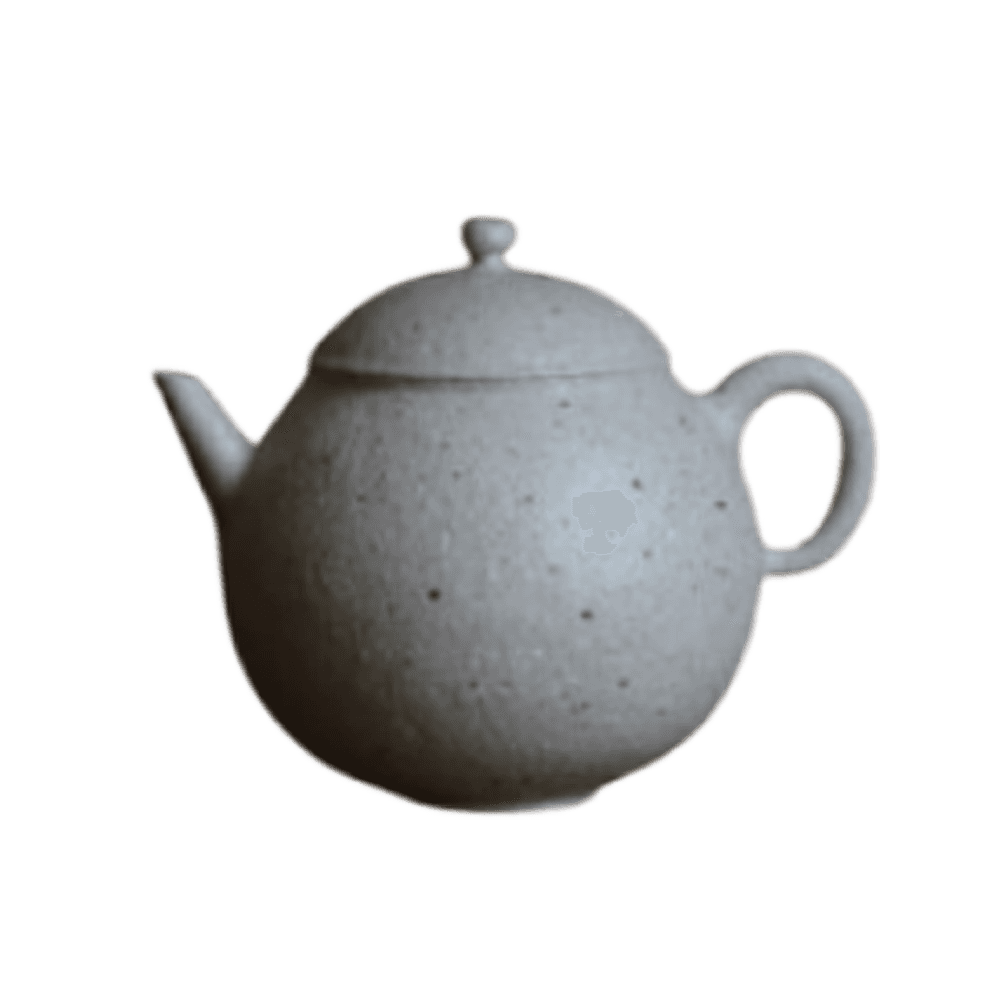
His path into ceramics began in 2014 at Hanshan Normal University, where he studied ceramic art, gradually narrowing his focus toward teapot making by 2015.
In 2016, he turned toward wood firing, drawn to its unpredictability and the way it resists surface control. This shift marked a deeper commitment to process over finish.
The founding of Yangyu Handmade Studio in 2018 formalized this direction, anchoring his work in Jingdezhen while allowing him to develop a sustained, personal language rooted in making rather than production.
Underlying his work is a belief that beauty emerges through alignment rather than assertion. His engagement with Gongfu tea culture reinforces this outlook, emphasizing attentiveness, repetition, and sensitivity to small change.
Whether through the curve of a spout, the weight of a lid, or the way a vessel responds to heat and water, his work reflects an ethic of moderation and respect for material behavior. Zheng Bixin’s ceramics do not seek to stand apart from life but to settle into it, becoming part of a sustained rhythm of use, observation, and care.
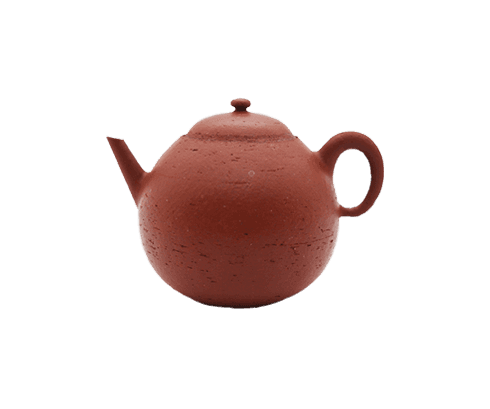
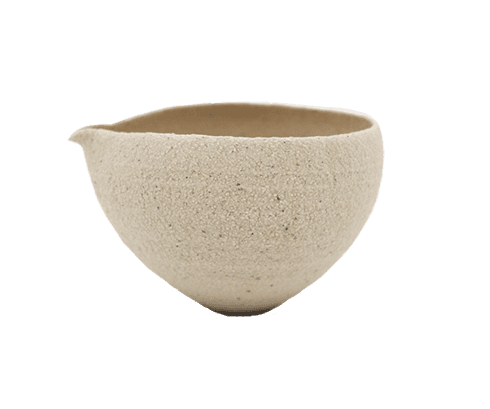
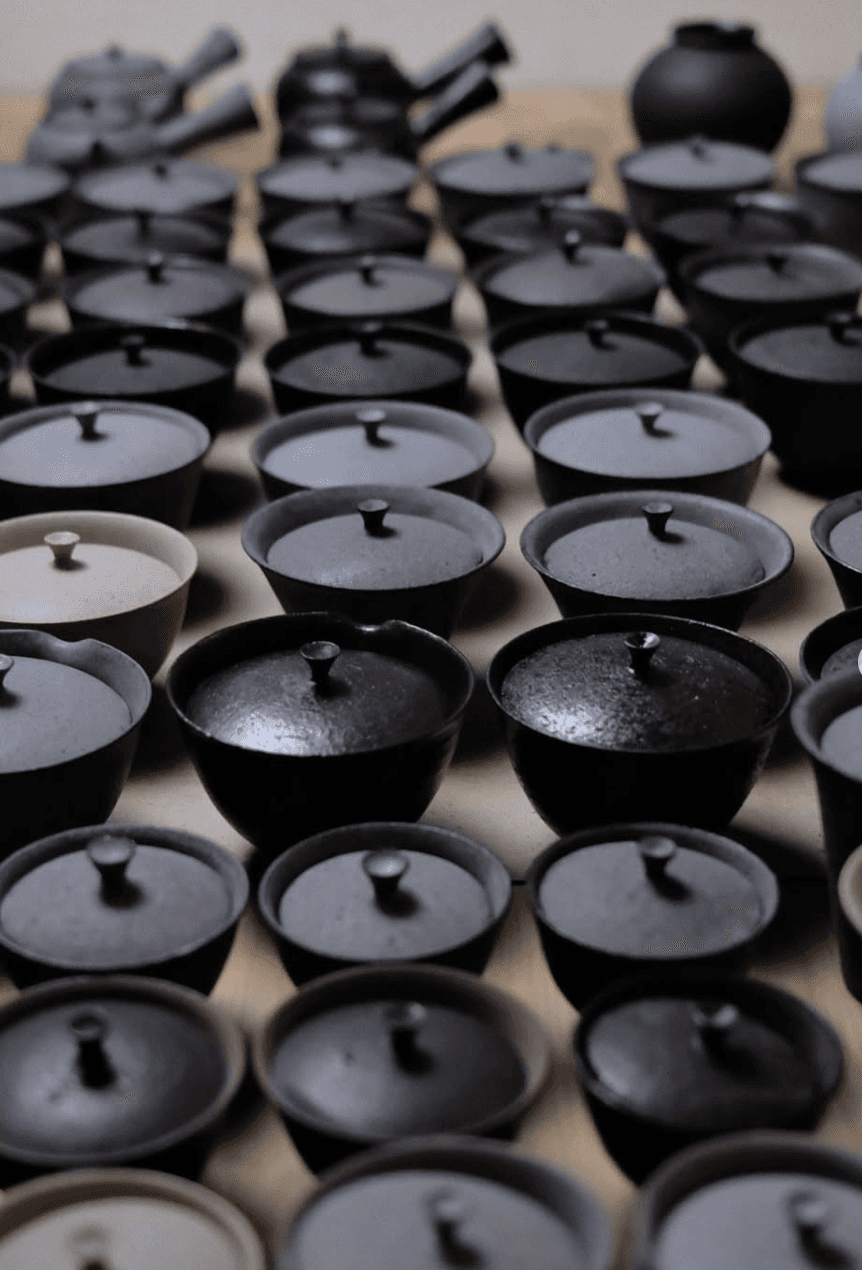
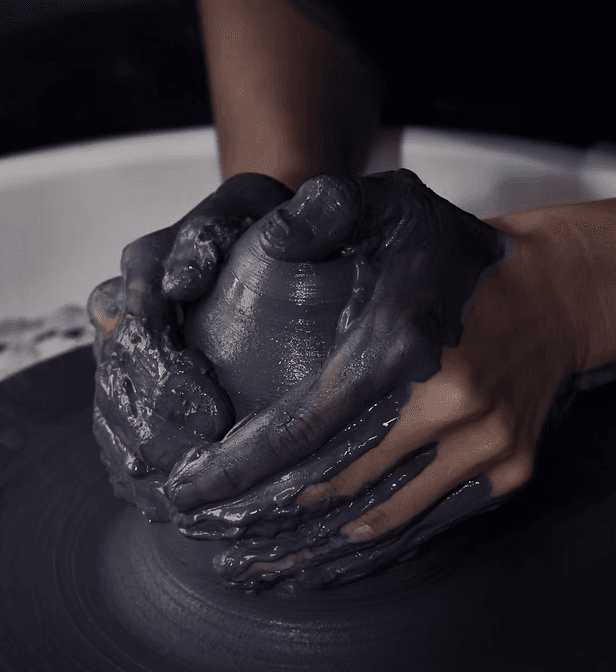


Zheng Bixin’s vessels favor directness and restraint. Forms are clear and unembellished, allowing proportion, weight, and usability to take precedence. Wood firing introduces variation through ash fall, flame path, and atmosphere, creating surfaces that carry natural shifts in tone and texture.
These effects are not decorative additions but the result of material conditions allowed to act freely. Traces of firing, ash accumulation, and subtle irregularities remain visible, reinforcing a sense of time embedded in the object.