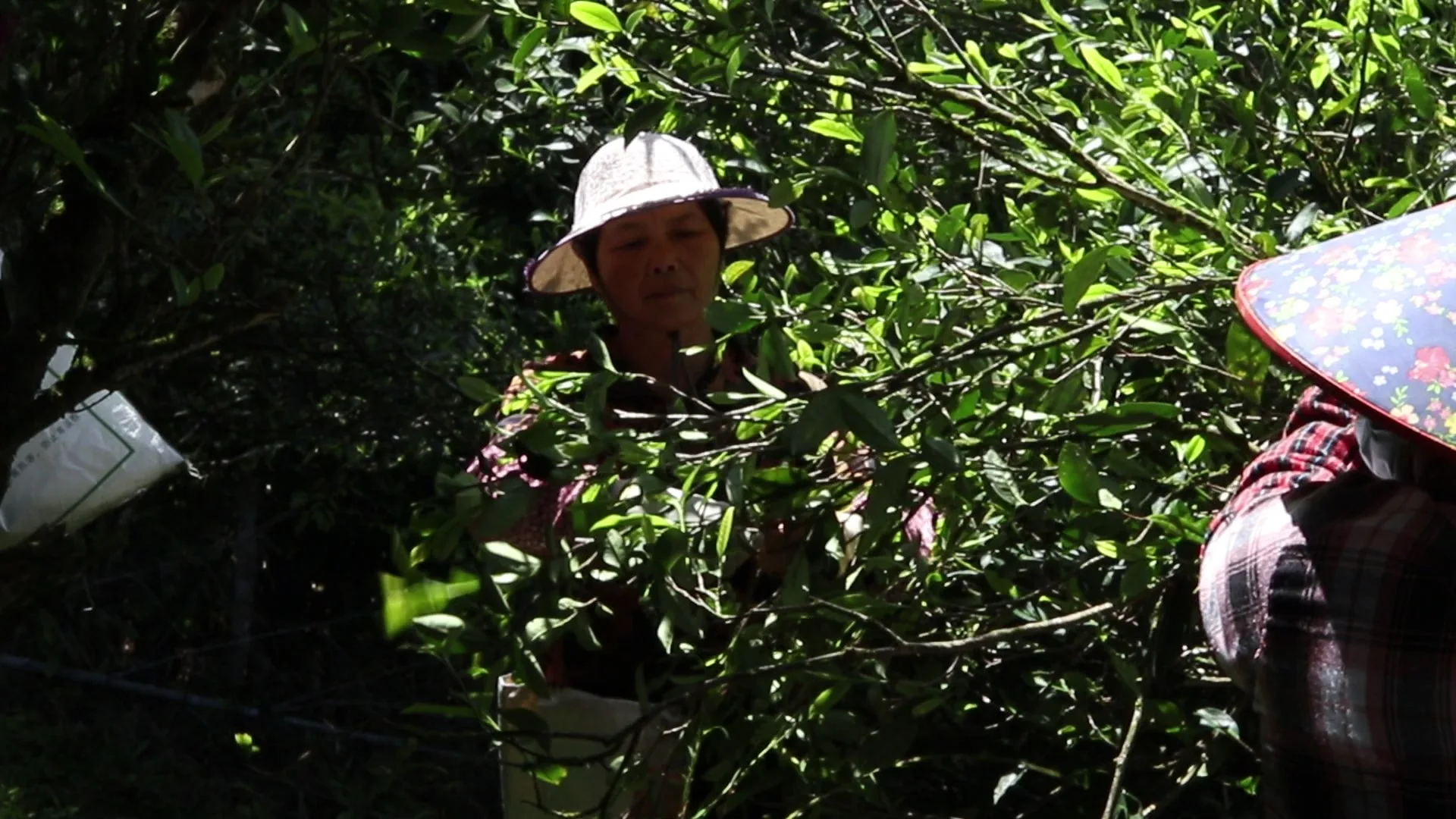
Wuyishan, Fujian
Wuyishan — A History Shaped by Mountains and Tea
Ancient settlements
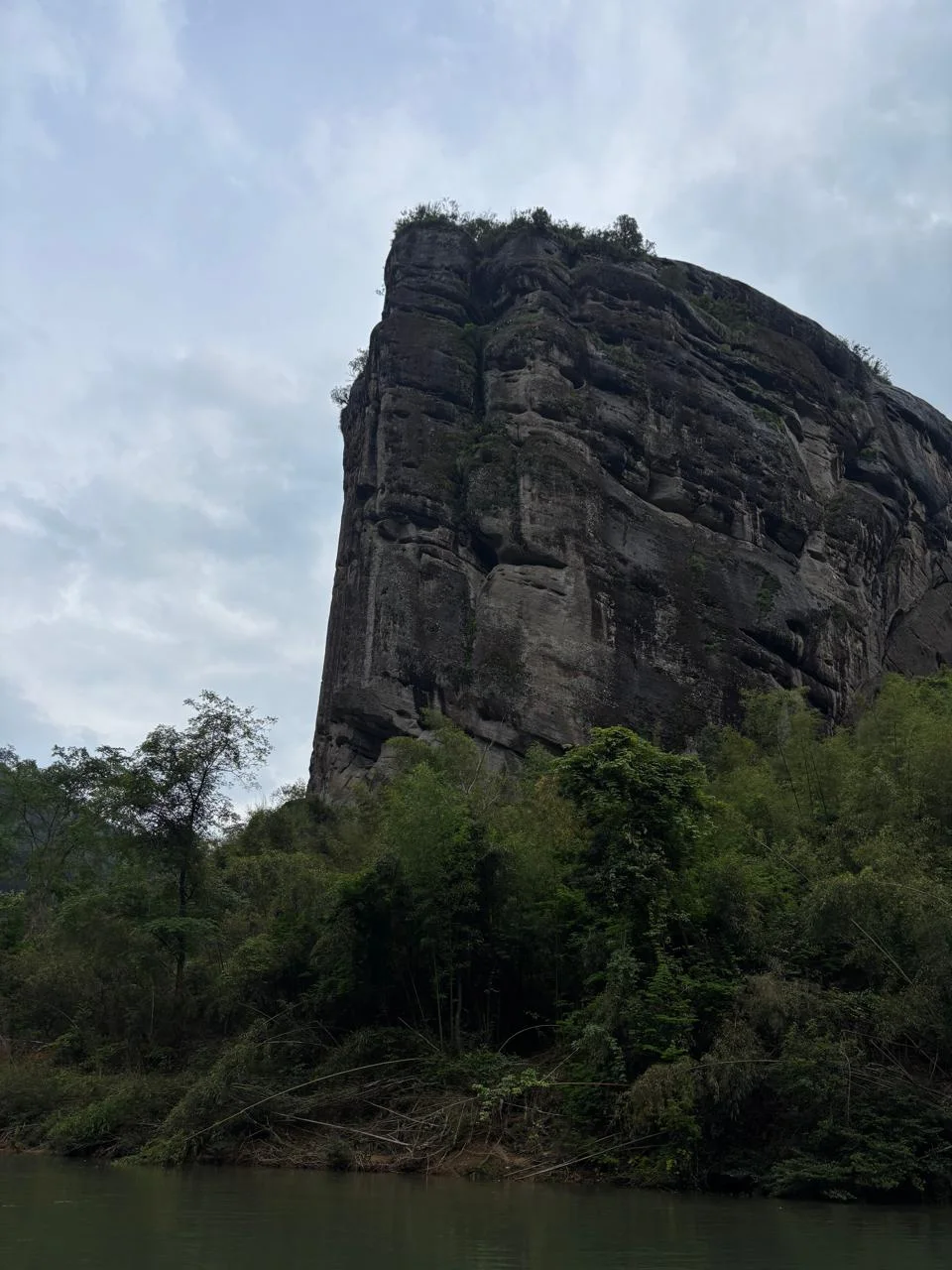
In northern Fujian, Wuyishan is a landscape of red sandstone cliffs, winding rivers and subtropical forests, with a human history reaching back more than four thousand years. Ancient cliff burials and the remains of the Han-period city at Chengcun preserve evidence of the communities that lived here long before the region’s teas became internationally known. These archaeological sites reveal a history of settlement, belief and exchange rooted in the mountains and waterways.
Spiritual retreat and scholarship
Over the centuries, Wuyishan became a place of spiritual retreat and scholarship. Taoist and Buddhist temples were established among its peaks, while academies attracted scholars seeking an environment for study and contemplation. During the Song dynasty, the philosopher Zhu Xi developed and taught his interpretation of Confucian thought here. Work on his Wuyi Jingshe Academy began in 1183, helping establish the region as an important centre of learning whose influence extended across East Asia.
Tea and the imperial court
Tea became another defining part of this history. During the Song period, tea from the area supplied the imperial court, and in 1302, under the Yuan dynasty, an imperial tea plantation was established in Wuyishan. This connection linked local cultivation and tea-making with the requirements of the court, giving tea an enduring place in the region’s cultural and economic life.
Bohea and the international tea trade
By the seventeenth and eighteenth centuries, Wuyishan’s reputation had travelled beyond China through the international tea trade. European merchants knew its teas as “Bohea,” a name derived from the regional pronunciation of Wuyi. The term later broadened in meaning within the export trade, but its origin preserves the connection between these mountains and the growth of tea drinking overseas.
A World Heritage landscape
In 1999, Mount Wuyi was inscribed as a UNESCO World Heritage Site, recognised for both its natural environment and its cultural significance. Its history brings together ancient settlements, religious traditions, scholarship and tea cultivation—a place to appreciate not only through its landscape, but through the knowledge and craftsmanship carried into each cup.
Wusandi
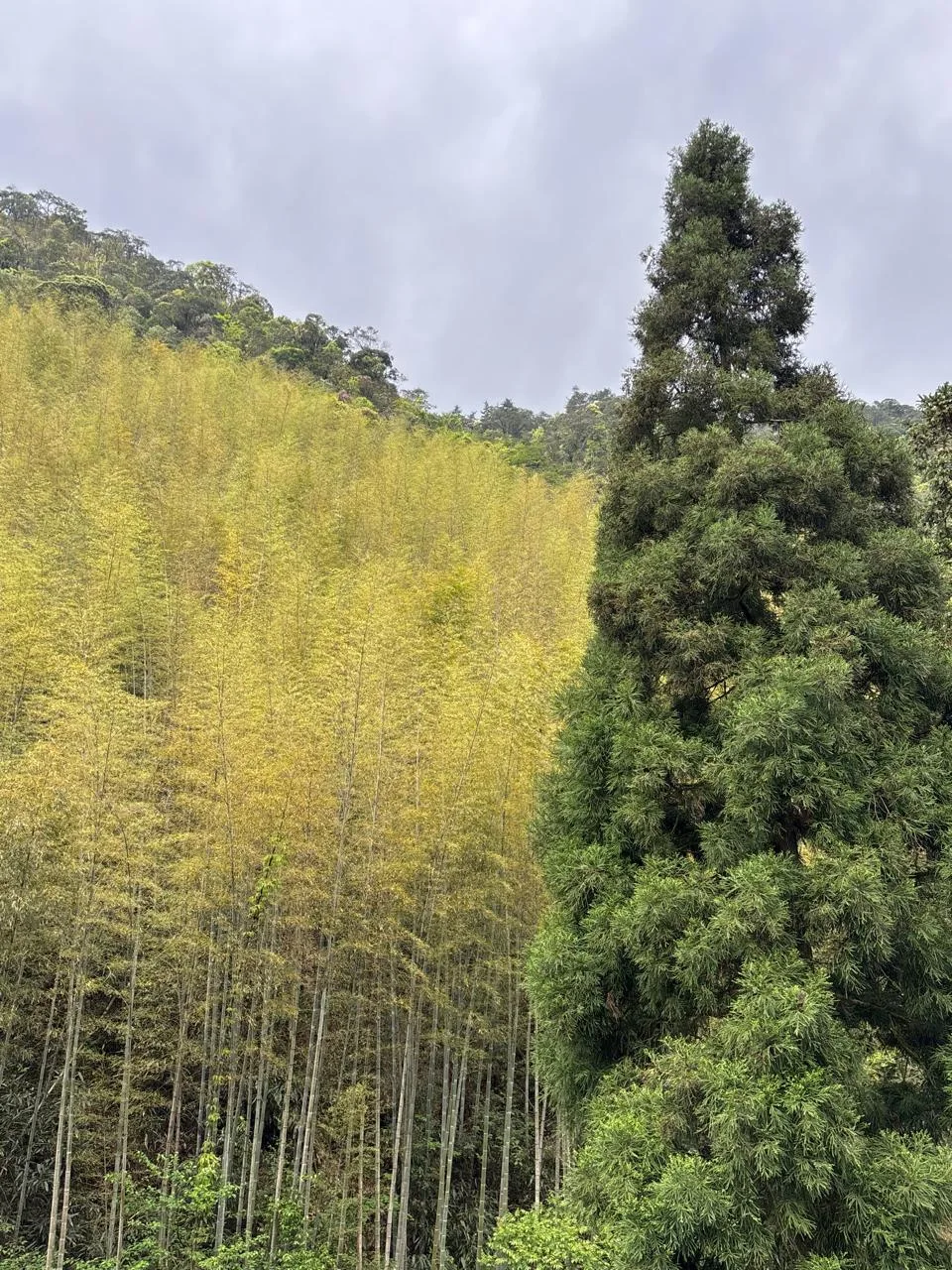
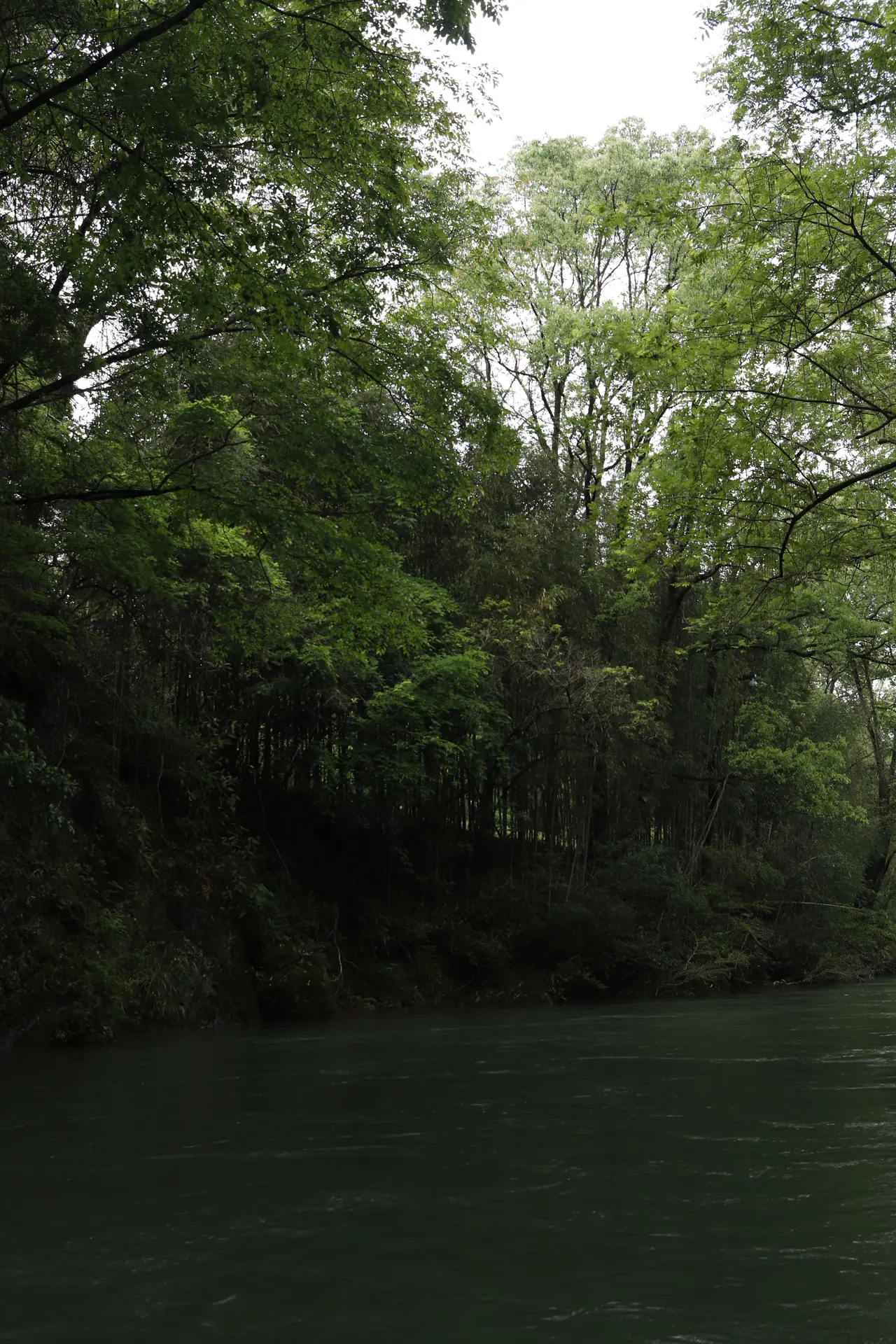
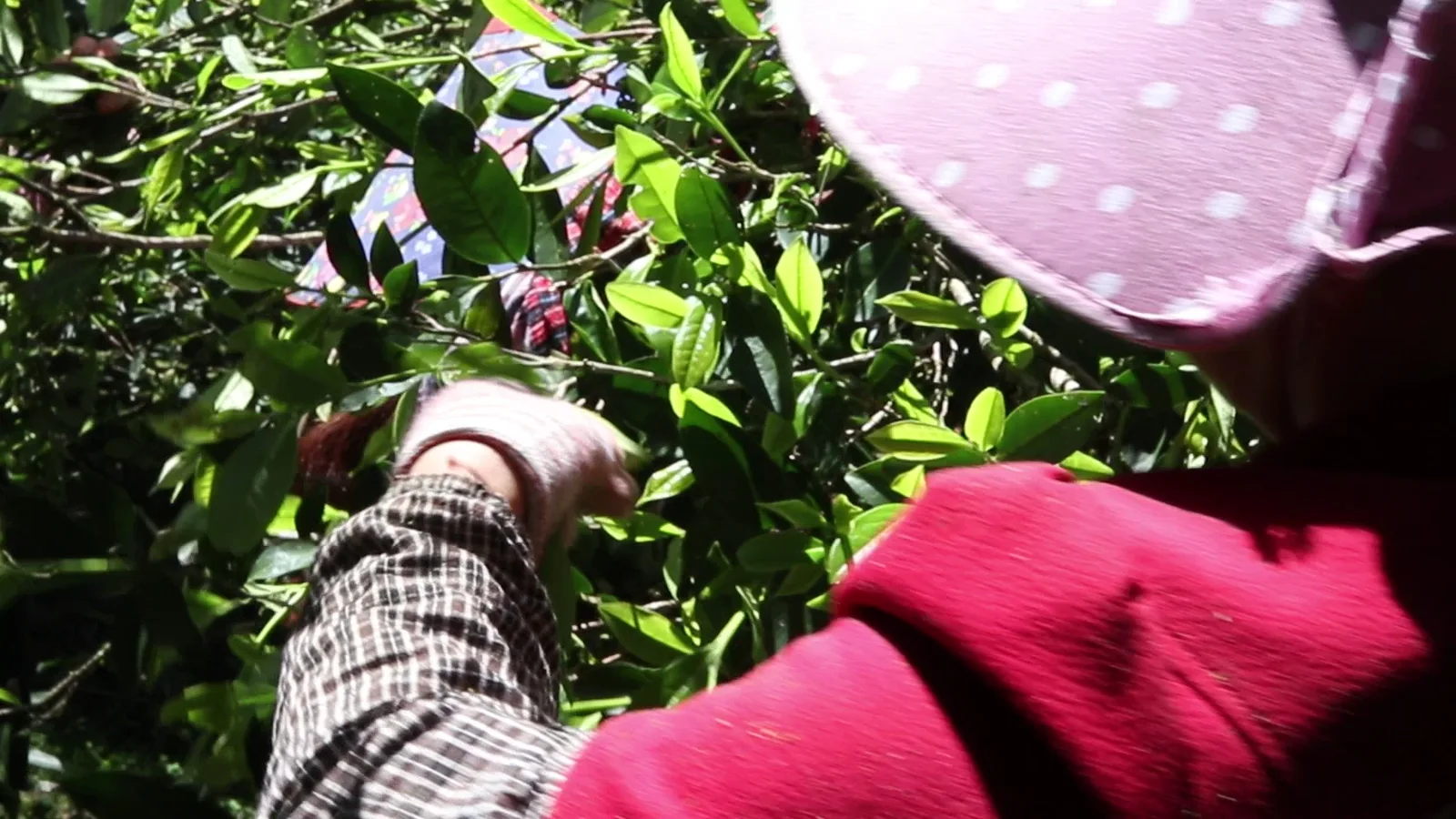
Hidden among the mountains of northern Wuyishan, Wusandi (吴三地) is a small tea growing village surrounded by forest, bamboo, streams and steep mountain slopes. Its relatively isolated setting has helped preserve old tea gardens and a way of life closely connected to tea cultivation.
The village is particularly renowned for its mature Shui Xian tea trees, some of which have been cultivated for generations. Wusandi is especially associated with Lao Cong Shui Xian (老枞水仙), or Old Bush Shui Xian, made from mature trees valued for their depth, texture and distinctive cong yun (枞韵), the character associated with older tea bushes.
The cooler mountain environment, forest vegetation and flowing water create conditions that distinguish Wusandi from many of Wuyishan’s more exposed cliff gardens. Its teas are often associated with orchid, wood, bamboo, forest and deep natural sweetness.
Rock Rhyme
Wuyishan is best known for yancha (岩茶), or rock tea, a tradition shaped by the region’s rocky landscape, distinctive cultivars and careful roasting. At the heart of Wuyi tea is the idea of yan yun (岩韵), or “rock rhyme,” describing the depth, texture and lingering character that remains in the cup.
Our selection explores this character through four different expressions.
Da Hong Pao (大红袍), meaning “Big Red Robe,” represents one of the most recognised traditions of Wuyi rock tea. It can offer layers of roasted grain, dark fruit, warm spice and mineral depth, bringing fragrance, structure and sweetness together in a balanced cup.
Shui Xian (水仙) is known for its fuller body and deeper character. Mature examples, particularly Old Bush Shui Xian, can reveal orchid fragrance, woody tones and a rounded texture, with a long and persistent finish.
Rou Gui (肉桂), meaning “cassia” or “cinnamon,” is celebrated for its powerful fragrance. Its character can recall cinnamon bark, warm spice, flowers and ripe fruit, giving it a brighter and more aromatic expression than Shui Xian.
Fo Shou (佛手), meaning “Buddha’s Hand,” offers a softer and more fruit driven side of Wuyi tea. Named after the Buddha’s Hand citron, the cultivar is known for its large leaves and naturally sweet fragrance. It is also associated with Xue Li (雪梨), or “Snow Pear,” referring to the ripe pear like aroma that can appear in the finished tea. Floral sweetness, fruit and a rounded texture are balanced by the warmth and depth of traditional roasting.
Together, these teas reveal that rock rhyme is not a single flavour, but an expression of cultivar, landscape and craftsmanship, experienced differently from one tea to the next.
An Early Release for Subscribers
Our Fo Shou will be introduced first through the Tearoom Roji Wuyishan curated selection, giving subscribers early access before its wider release.
Alongside Da Hong Pao, Shui Xian and Rou Gui, Fo Shou allows the collection to explore both the celebrated classics of Wuyishan and a less familiar expression of the region’s tea tradition.
Tongmu Pass
A mountain landscape
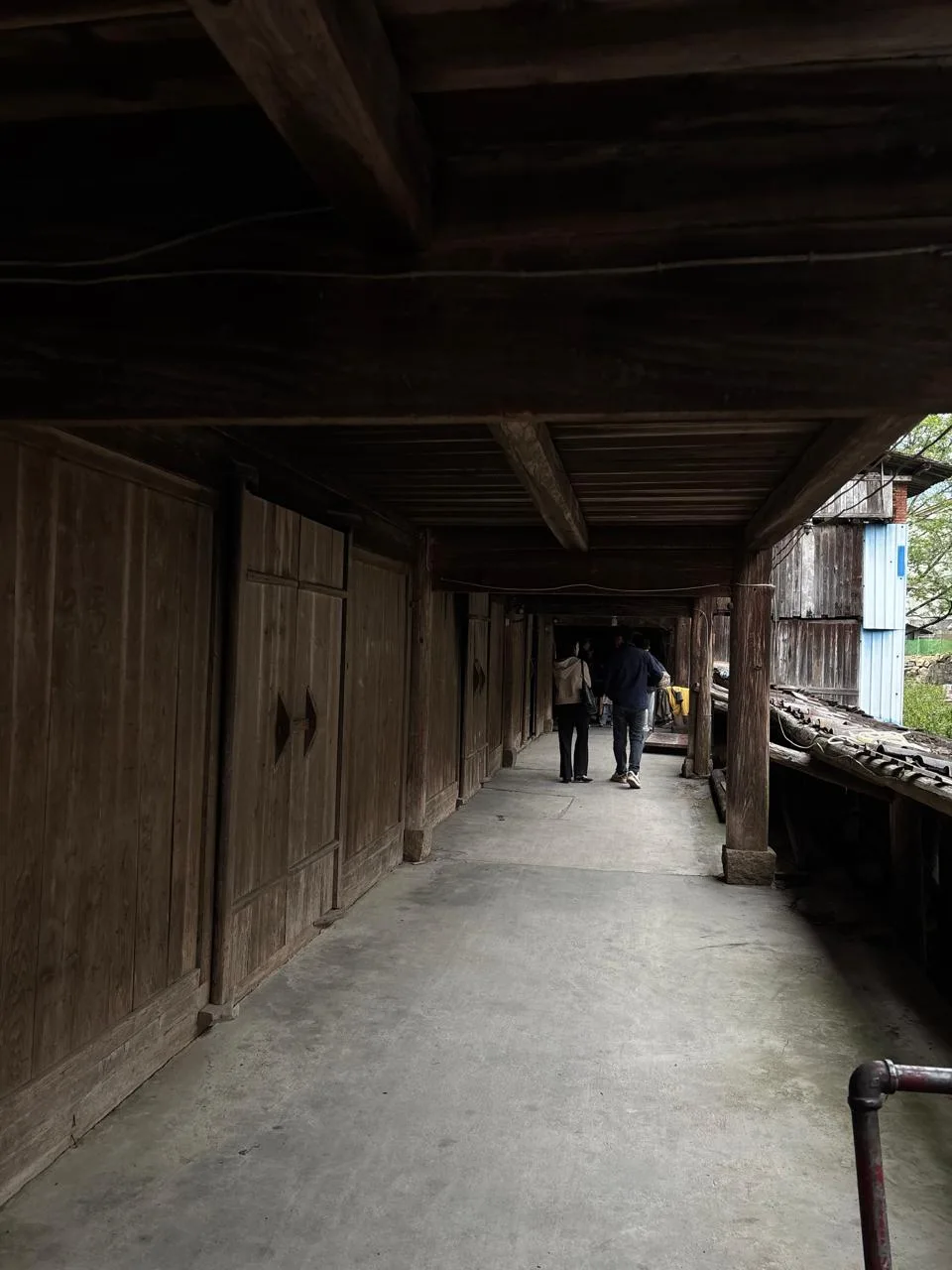
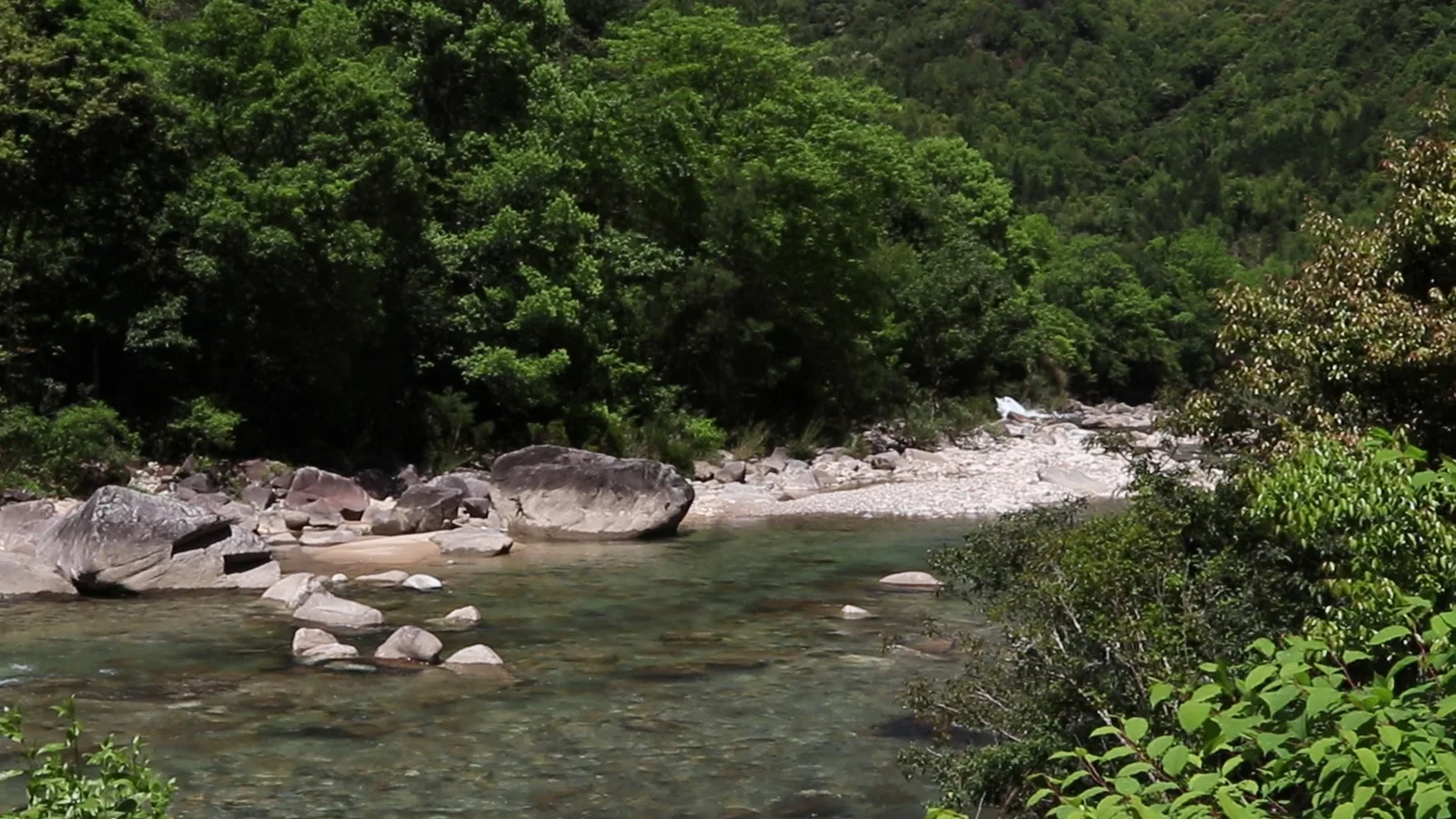
Tongmu Pass lies deep within the Wuyi Mountains of northern Fujian, close to the border with Jiangxi. Surrounded by dense forest, steep mountain slopes and persistent mist, the area developed in relative isolation and became closely tied to the cultivation and production of tea. Today, much of the surrounding landscape forms part of the protected Wuyishan area, recognised for its exceptional biodiversity and long cultural history.
A route through the mountains
For centuries, Tongmu Pass also served as an important route through the mountains. Tea produced around Wuyishan was carried through the pass by mule and horse into Jiangxi before continuing along the historic overland and river trading routes that carried Wuyi tea across China and eventually towards Russia and Europe. This connection between the remote mountains and long-distance trade helped make Tongmu one of the most historically significant tea-producing areas in Fujian.
The home of Zhengshan Xiaozhong
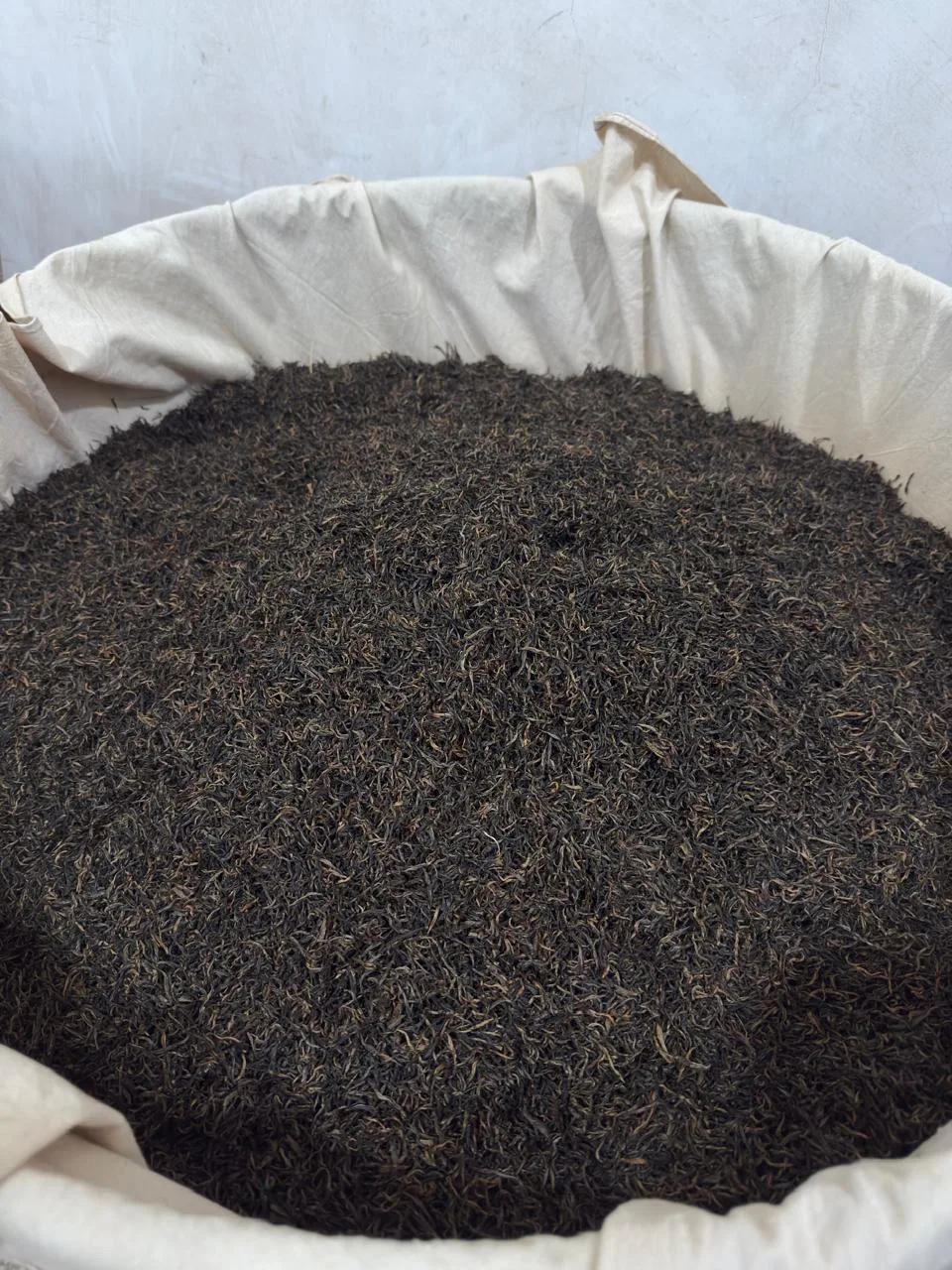
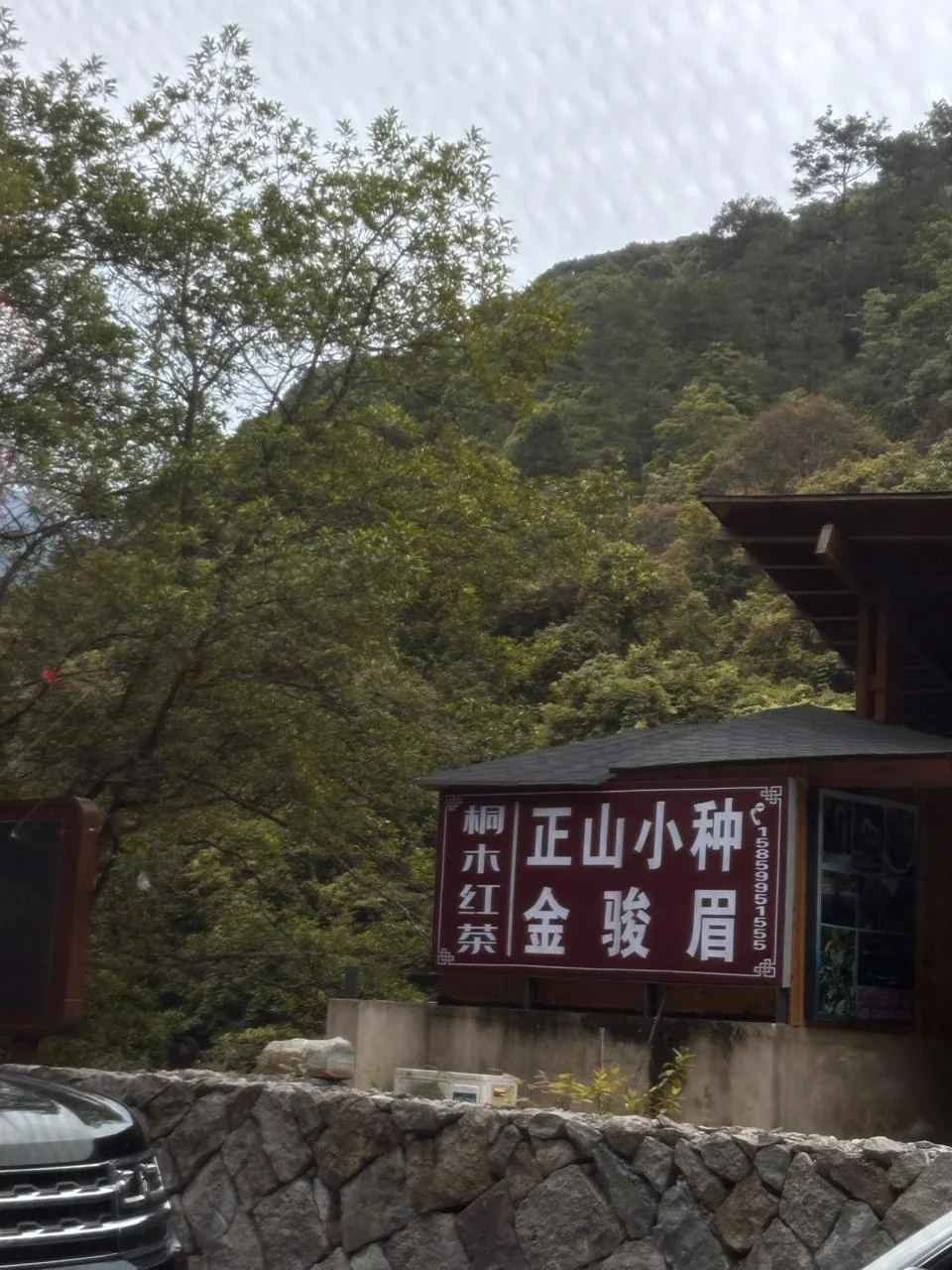
Tongmu is most famous as the traditional home of Zhengshan Xiaozhong, known internationally as Lapsang Souchong and widely regarded as one of the earliest forms of red tea. The term Zhengshan, meaning roughly “true mountain” or “original mountain,” historically distinguished tea produced in the Tongmu area from imitations made elsewhere. The recognised production area centres around Tongmu Village and neighbouring mountain communities within Wuyishan.
Pine smoke and local tradition
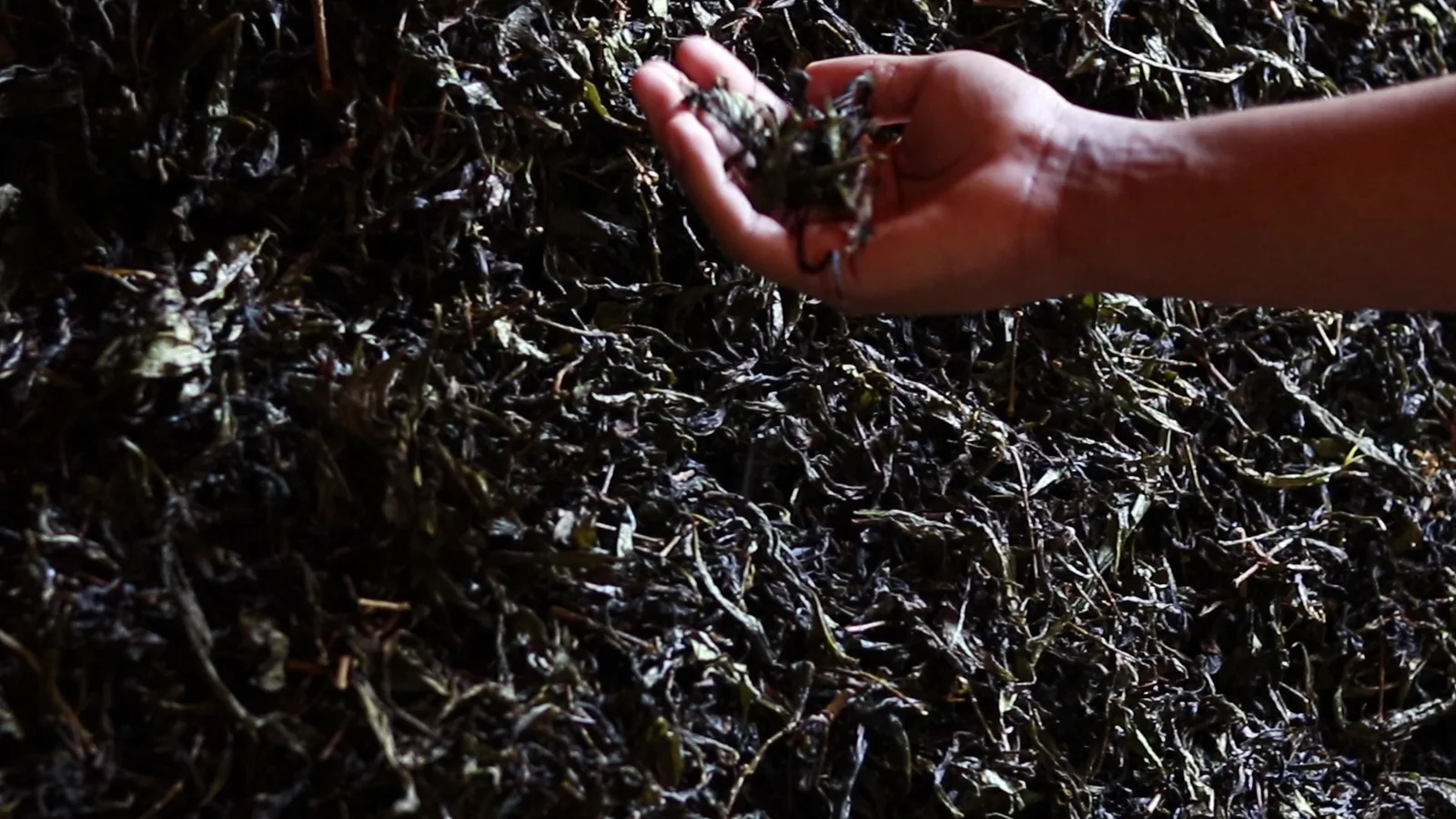
Local tradition places the emergence of this tea in the late Ming period. According to the commonly told story, disruptions during tea production caused freshly picked leaves to oxidise more heavily than intended. To dry the leaves quickly, producers used locally available pine wood, creating the distinctive combination of full oxidation and pine-smoke character that became associated with traditional Zhengshan Xiaozhong. The precise details of this origin story cannot be independently verified, but the processing tradition it describes has been preserved for generations.
From Tongmu to the world
What began in this isolated mountain pass would become part of a much larger transformation in global tea culture. The red tea traditions that developed around Wuyishan helped establish Fujian tea in overseas markets and contributed to the spread of red tea production far beyond China.
A living tea landscape
Today, Tongmu Pass remains a living tea landscape — a place where mountain ecology, old trade routes and generations of tea-making knowledge continue to shape the character of its teas.