Ceramic artist
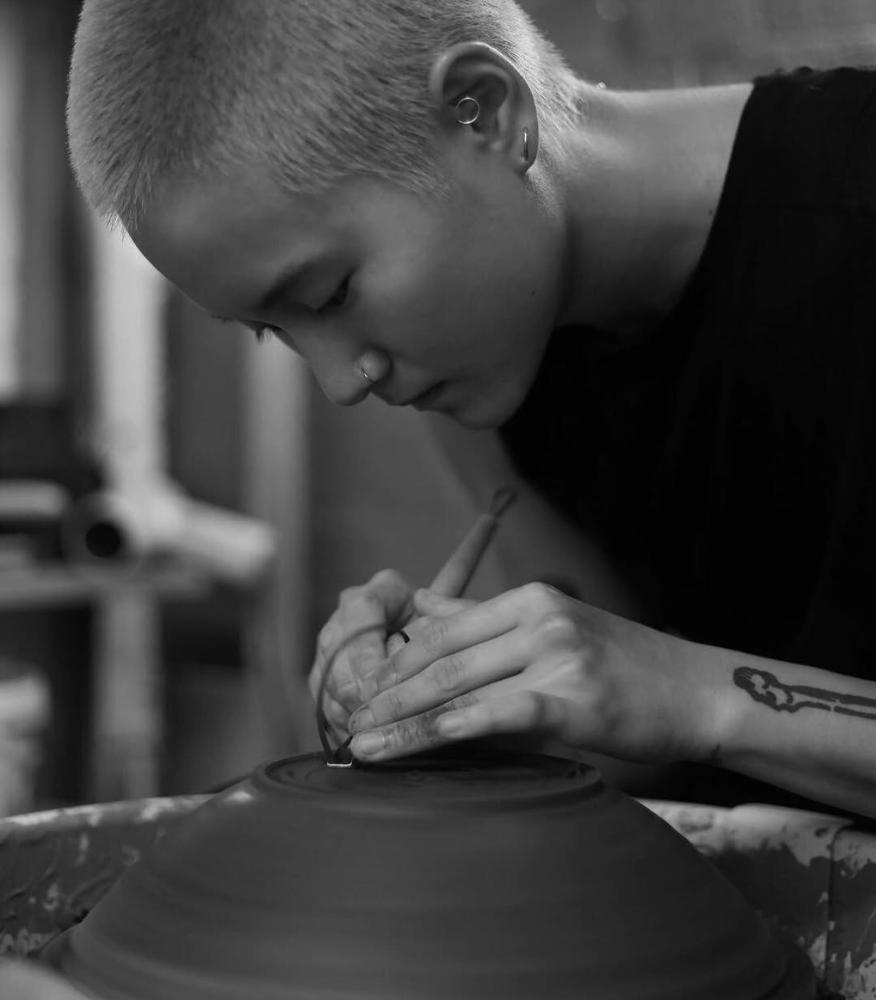
Saeam Kwon
권새암Ceramic Artist
Currently based in Berlin, Germany
In 2009, began working with clay and studying ceramics
Trained under Korean master potter Jungki Min, developing a foundation in traditional Korean ceramic techniques
Continued her ceramic practice in studios in Seoul and Paris
In 2017, moved to Berlin and established her independent ceramic practice
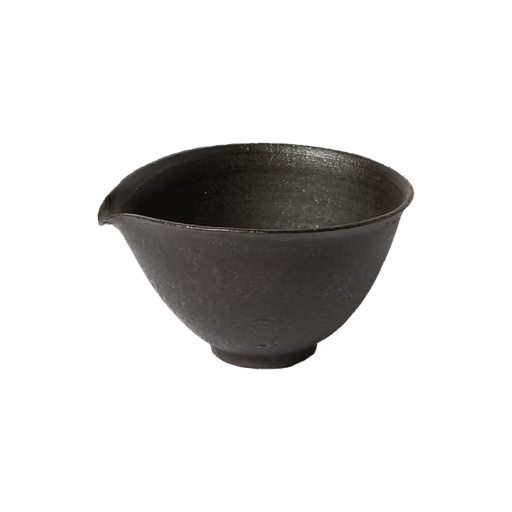
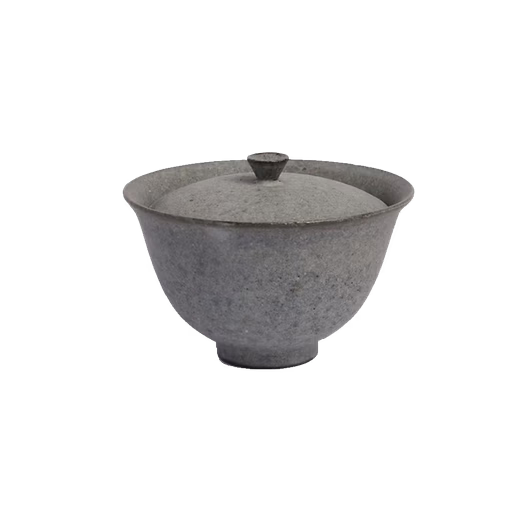
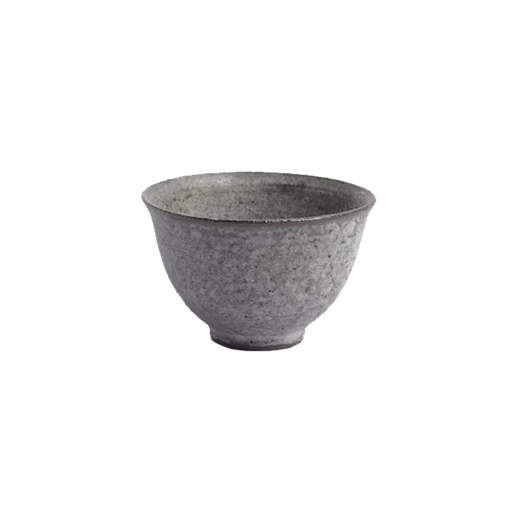
Works primarily with fine stoneware, exploring minimalist forms, textured surfaces and lightness
Her work draws from traditional Korean ceramics while developing a contemporary approach to form and function
Selected Exhibitions
- Mind, Hand and Matter, Galerie im Körnerpark, Berlin
- Vessels, Galerie im Körnerpark, Berlin
- Korean Craft Show in Milan, Milan Design Week
The practice
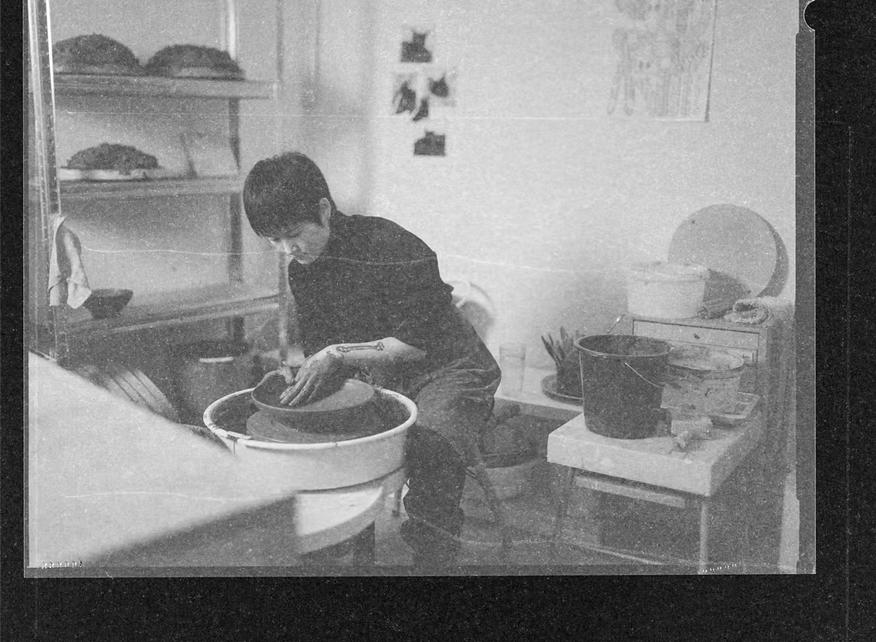
A foundation in clay
Saeam Kwon began working with clay and studying ceramics in 2009. She trained under Korean master potter Jungki Min, developing a foundation in traditional Korean ceramic techniques.
She continued her ceramic practice in studios in Seoul and Paris before moving to Berlin in 2017, where she established her independent ceramic practice.
The practice
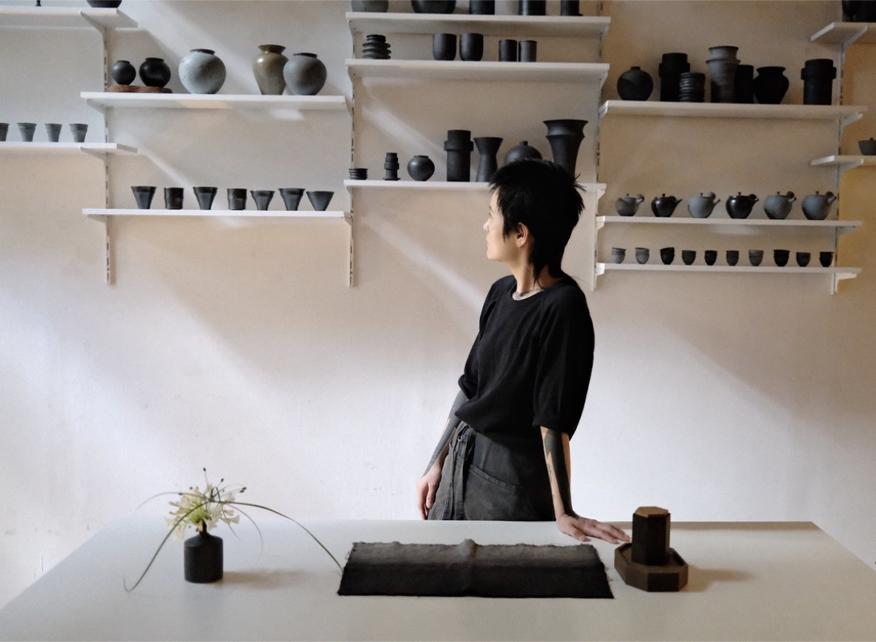
Tradition & contemporary form
Currently based in Berlin, Kwon works primarily with fine stoneware, exploring minimalist forms, textured surfaces and lightness.
Her work draws from traditional Korean ceramics while developing a contemporary approach to form and function.
The practice
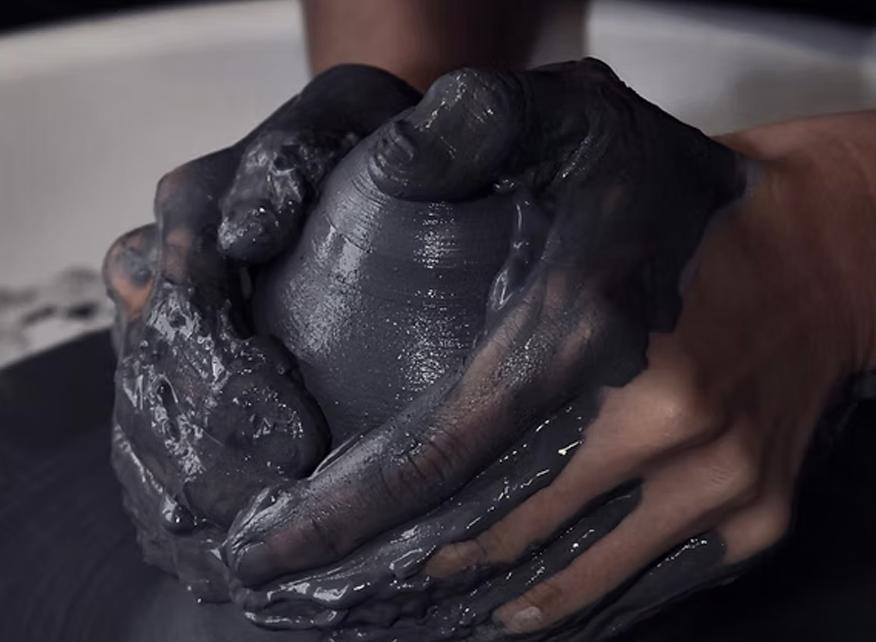
Restraint & lightness
Saeam Kwon’s vessels are defined by restraint, lightness, and a careful attention to proportion. Forms are reduced to their essential elements, allowing subtle changes in silhouette, weight, and surface to shape the character of each piece.
Working primarily with fine stoneware, Kwon often uses dark, textured clay alongside delicate detailing and finely balanced forms. Variations in surface and material remain visible, giving each vessel an individual presence while maintaining a sense of simplicity and precision.
The practice
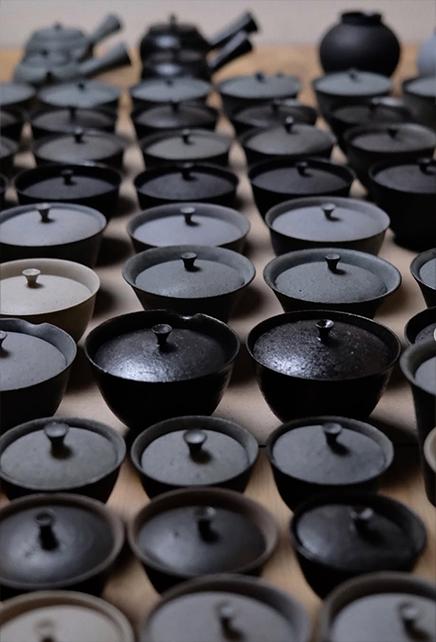
Everyday familiarity
Underlying her work is an interest in simplicity and the subtle relationship between material, form, and use. Her connection to Korean ceramic traditions informs this approach, not through direct reproduction, but through an attention to proportion, restraint, and the presence of the vessel itself.
Whether through the weight of a piece, the texture of its surface, or the balance of its form in the hand, Kwon’s work is shaped by sensitivity to small details. Her ceramics are made to exist naturally within everyday life, where their character is gradually revealed through handling, use, and familiarity.
By Saeam Kwon