Jingdezhen · Ceramic artist
Yizhi
一之Ceramic Artist
Currently based in Jingdezhen, Jiangxi
Born in 1995, China
Graduated in 2016 from the Ceramic Design program in Jingdezhen
Since 2017, has established an independent studio in Jingdezhen, focusing on teapot making and wood-fired tea utensils
Selected Exhibitions
- Germany
- Beijing, China
- Malaysia
- London, United Kingdom
- Japan
- Beijing, China
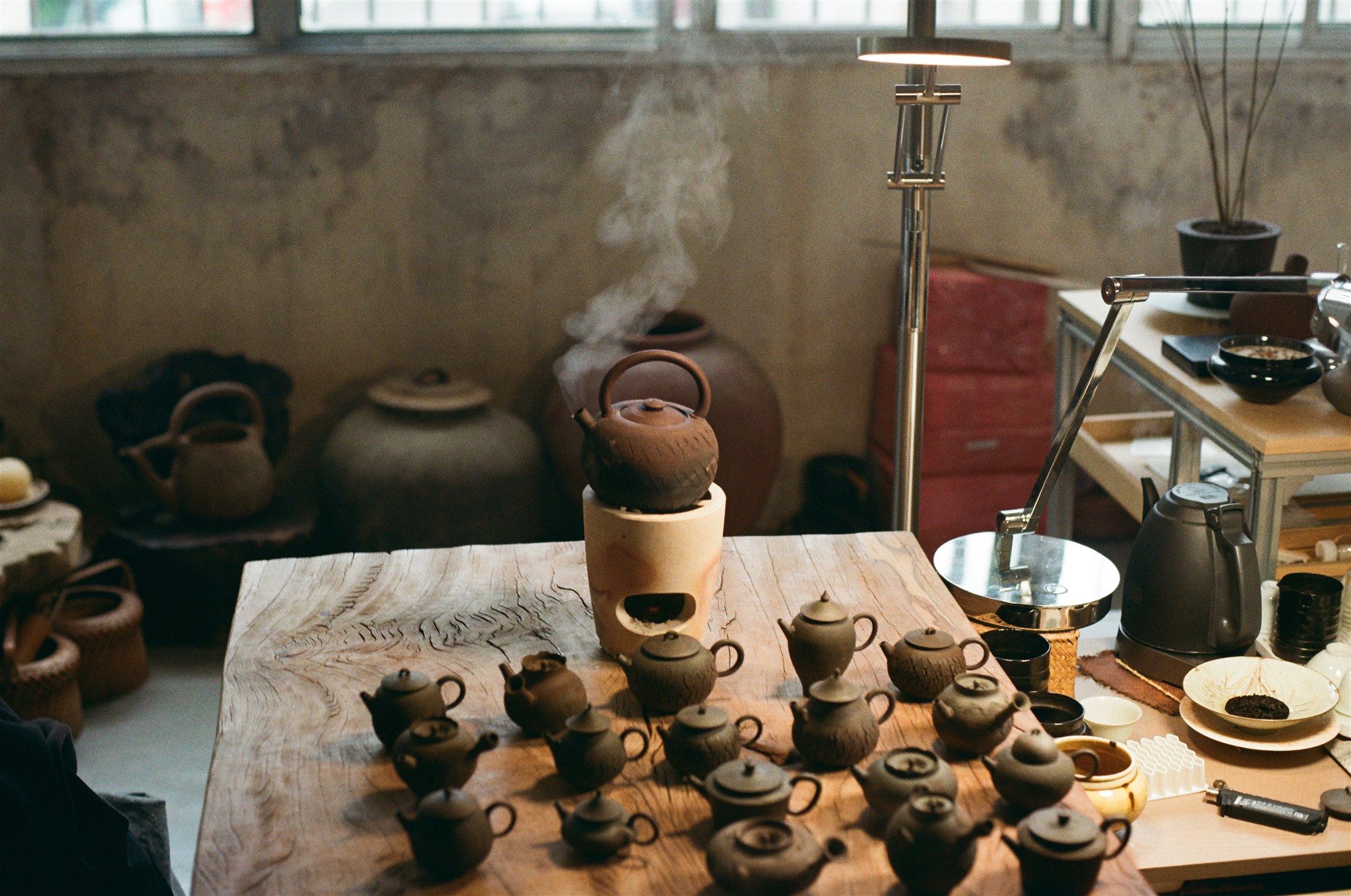
The artist
A life with clay
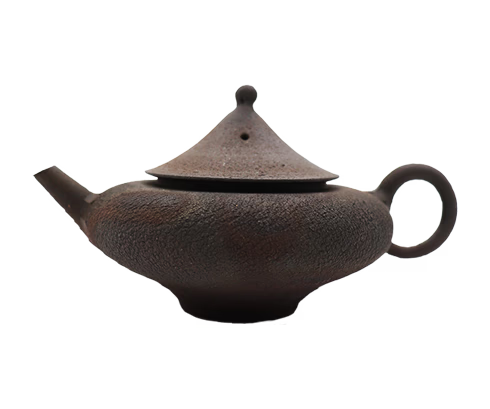
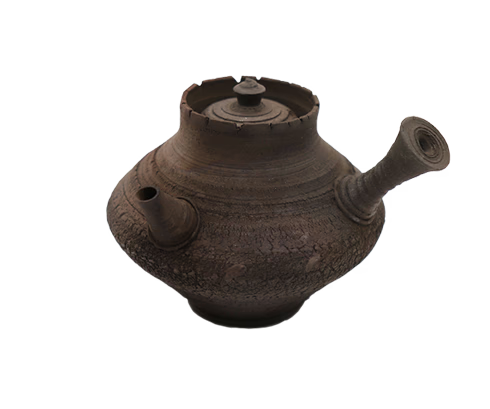
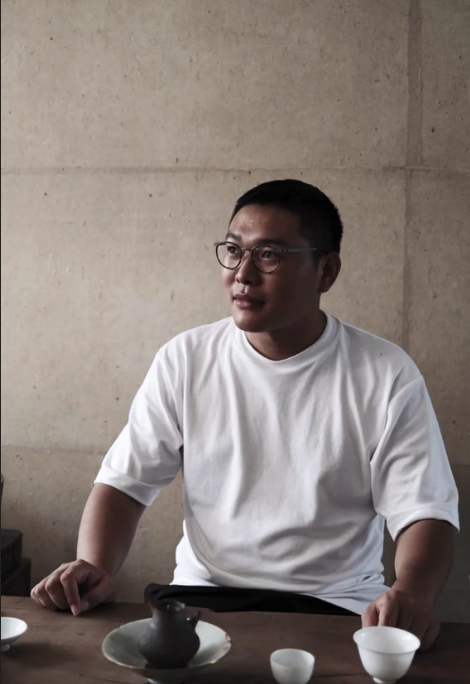
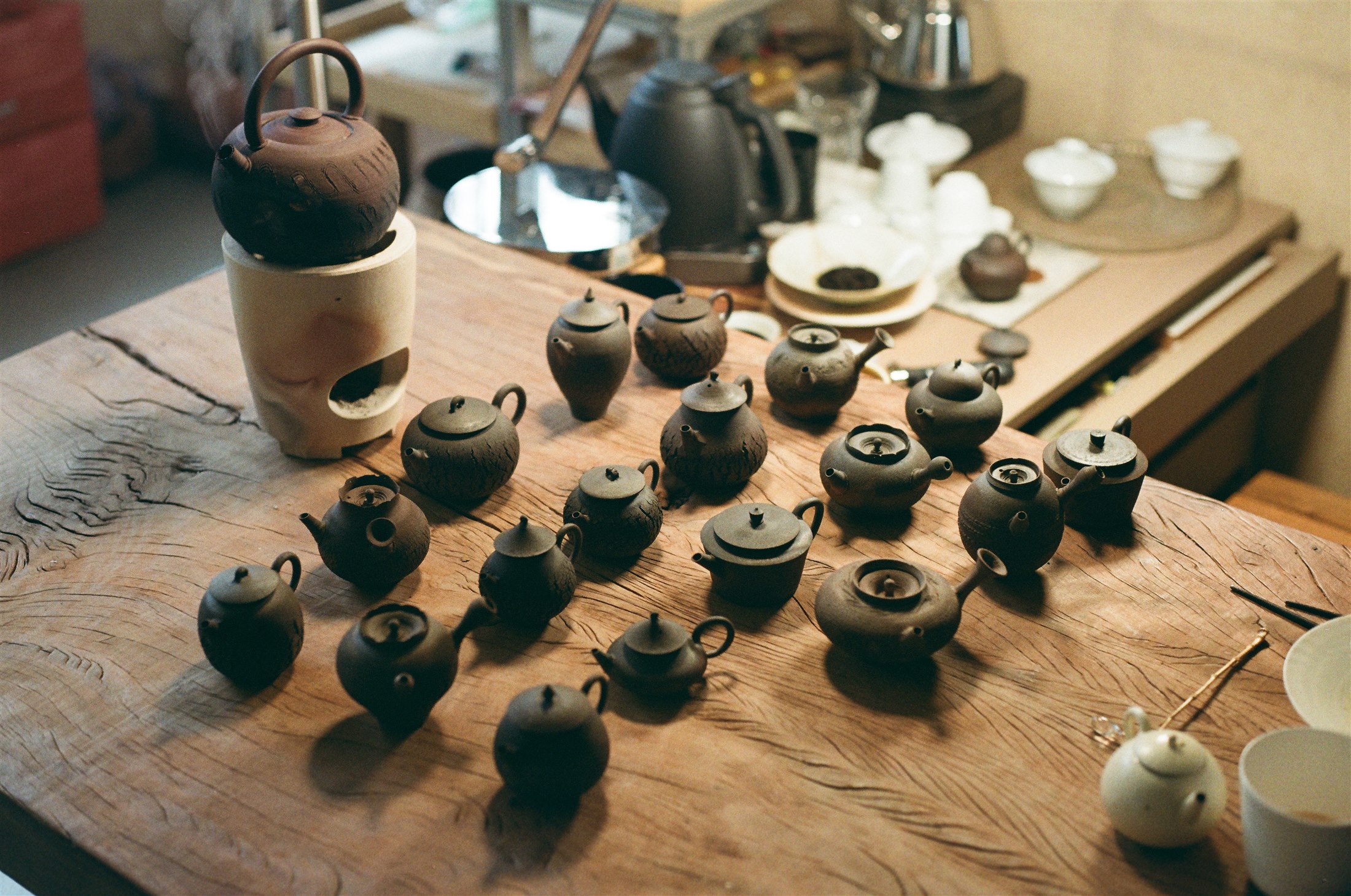
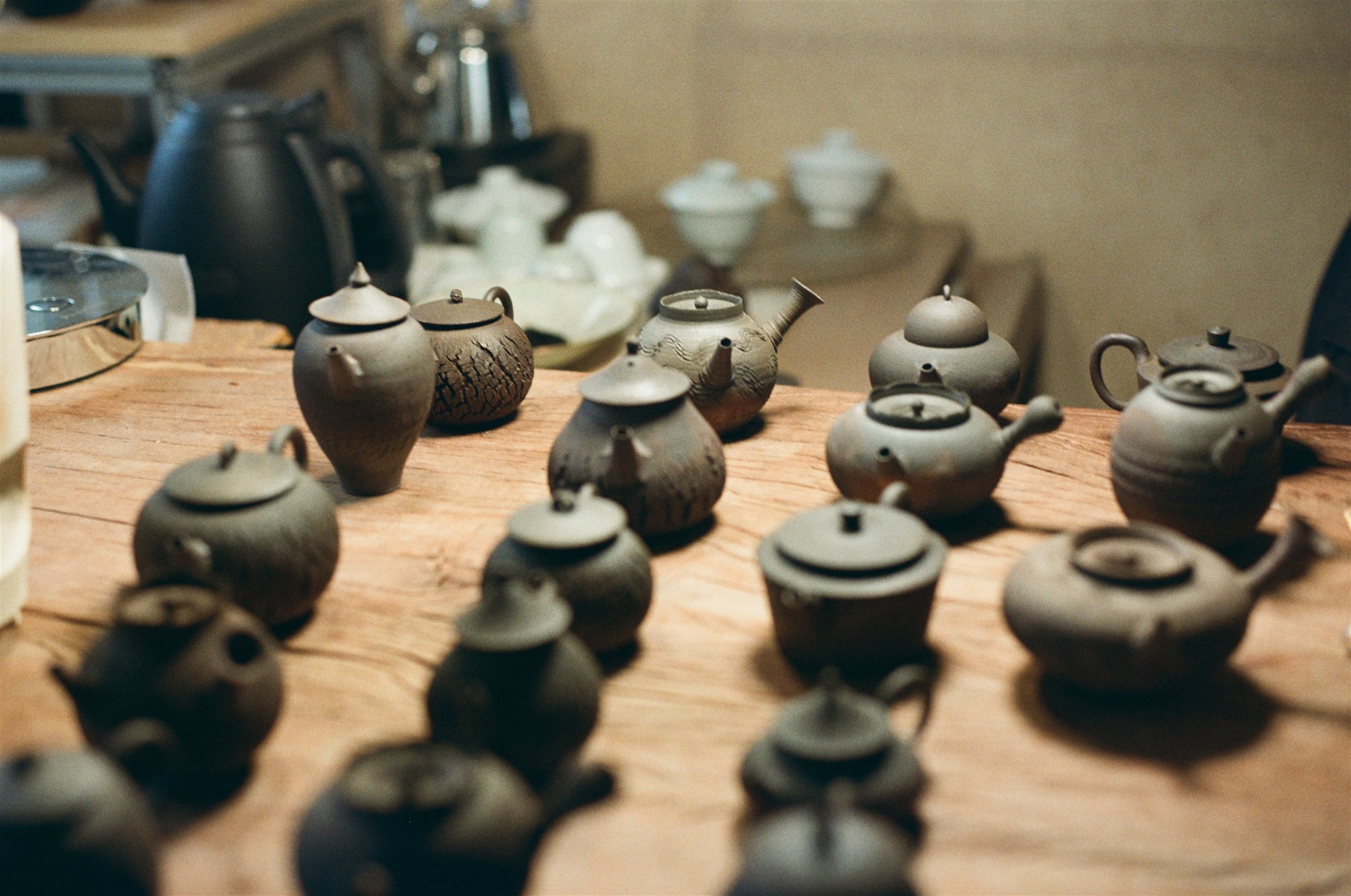
Shi Yingzhi, also known as Yizhi, is a ceramic artist based in Jingdezhen whose work centers on teapots and tea utensils shaped through restraint, material awareness, and time. Born in 1995, he graduated from the Ceramic Design program in Jingdezhen in 2016. During the later half of his studies, he turned his focus toward wheel throwing and began making teapots, drawn to the discipline and decisiveness required by the process. Since establishing his studio in Jingdezhen in 2017, Yizhi has remained dedicated to teapot making, developing side handle, kyusu, and bail handle teapots, as well as charcoal stoves, all rooted in functional use and measured form.
Studio life & nature
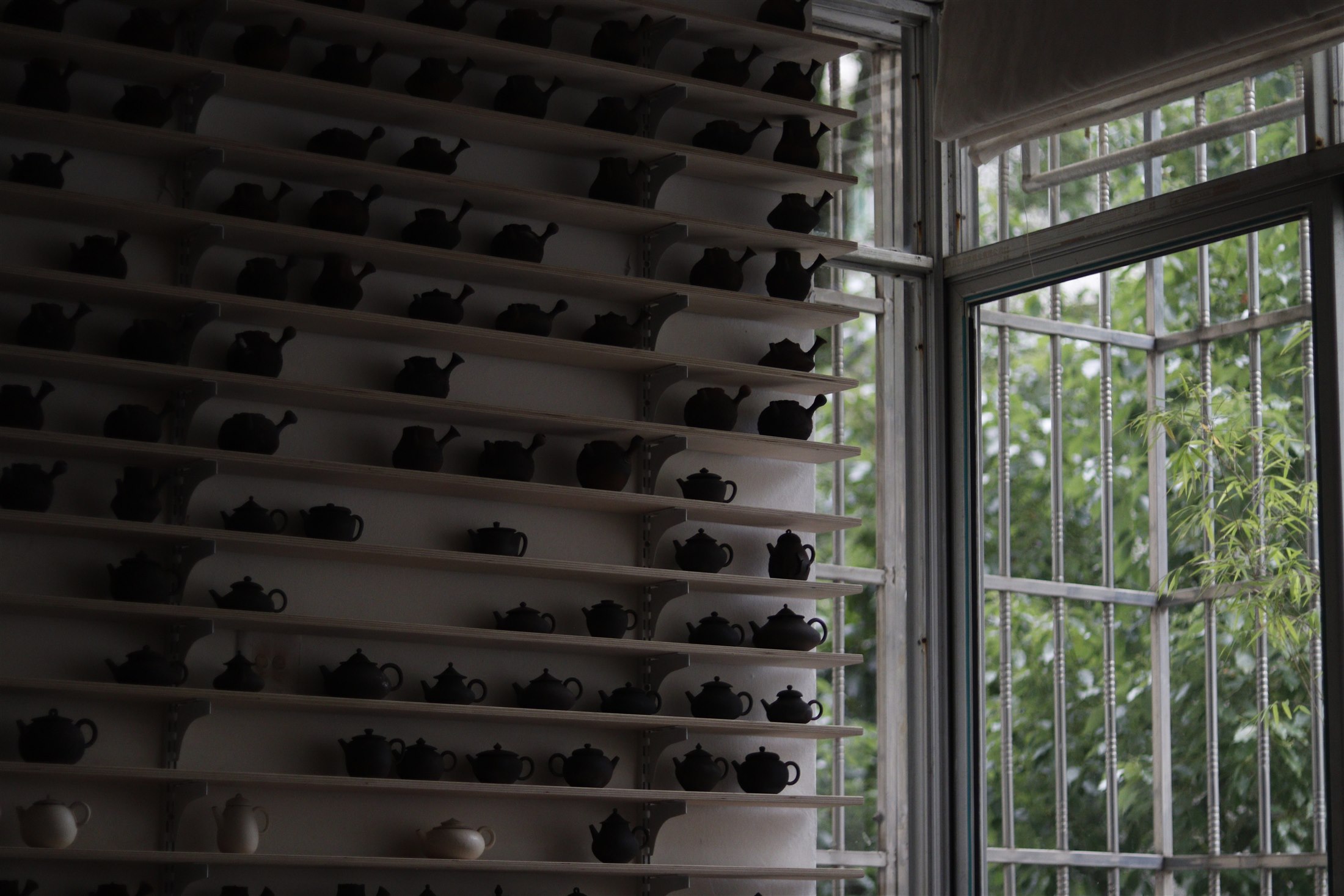
Daily life around the studio follows the rhythms of its surroundings. Yizhi fetches mountain spring water and watches the sunrise over his table while cooking millet porridge. Fireflies breed in the nearby river. These small encounters make nature part of the working day, rather than something separate from the studio.
The practice
Form & restraint
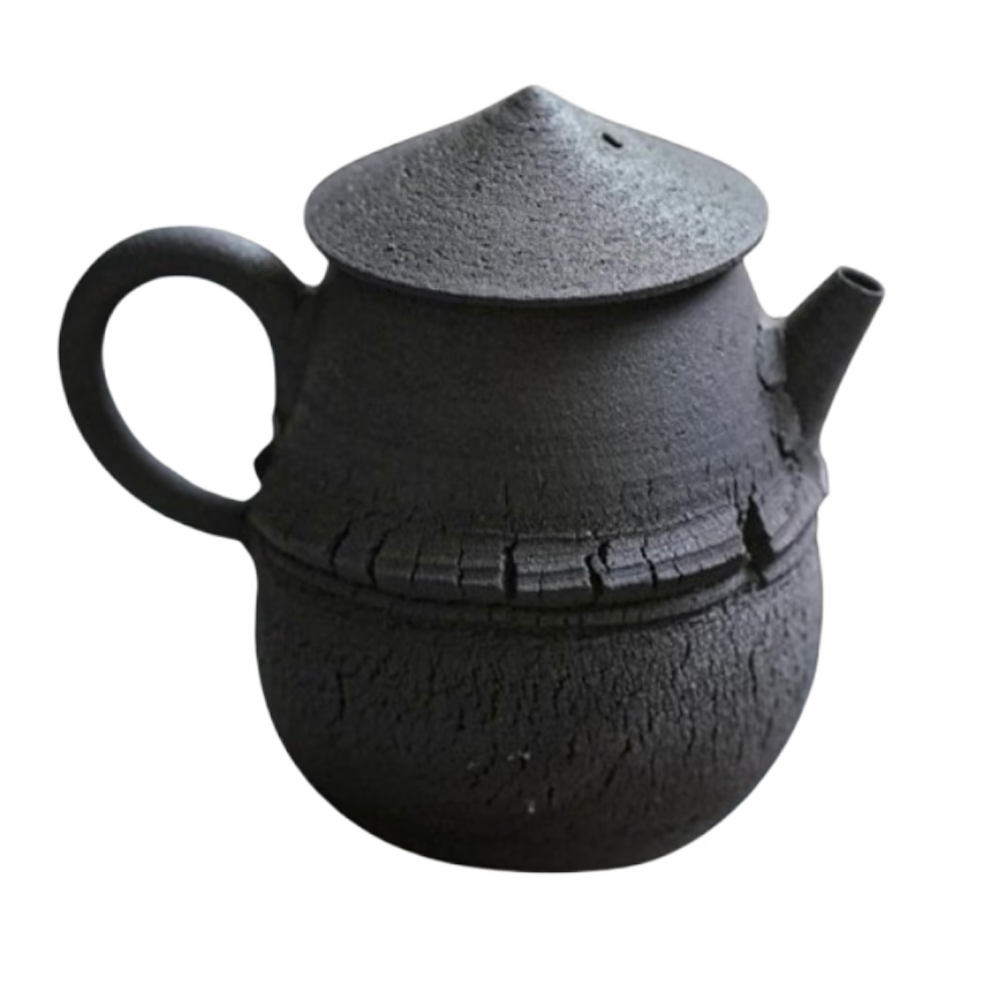
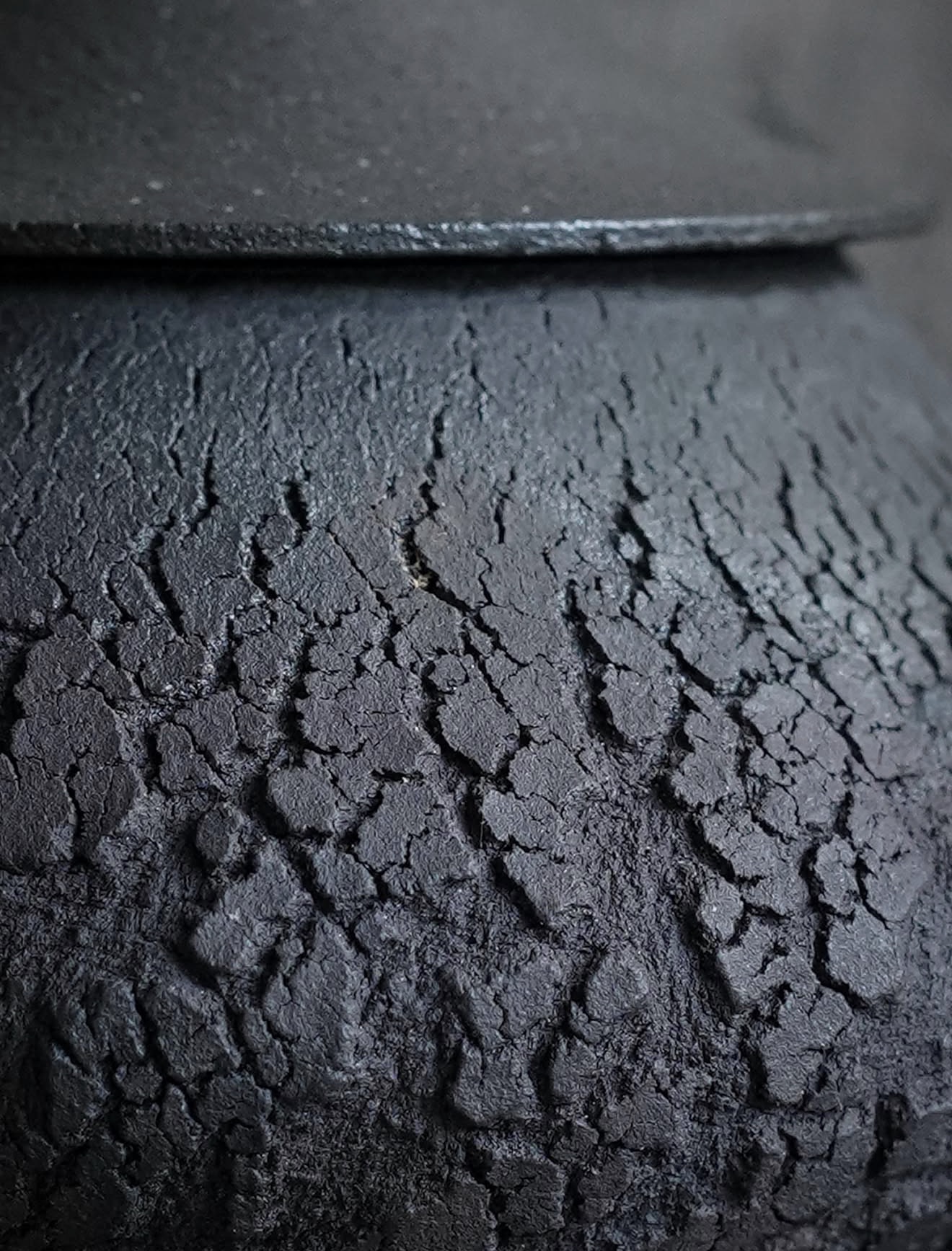
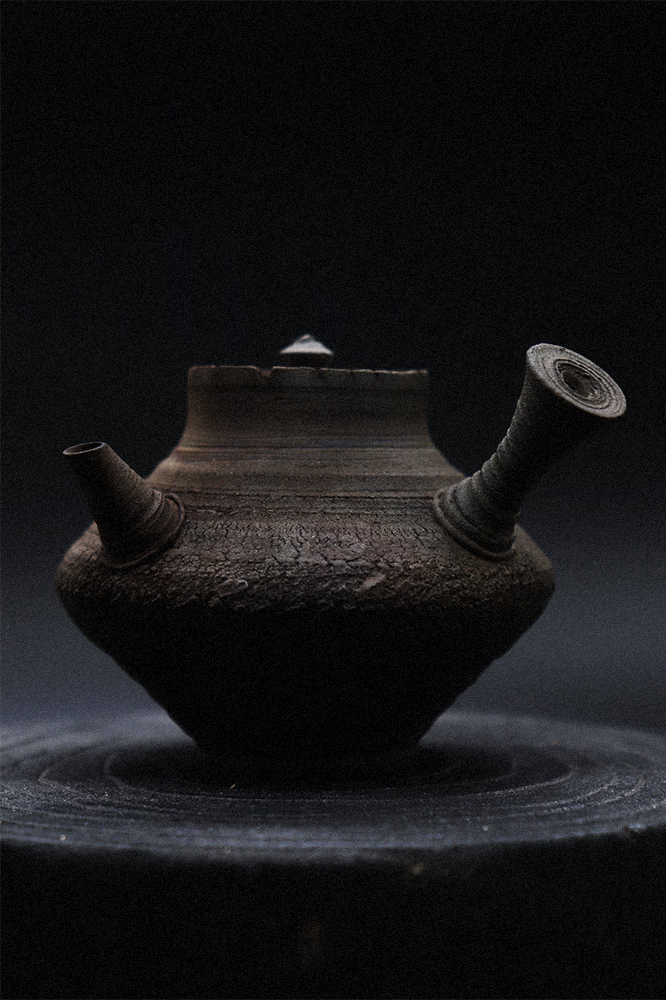
Yizhi’s practice grows out of Jingdezhen’s traditional ceramic language, yet avoids ornament or excess. Forms are understated and direct, allowing proportion, balance, and surface to carry meaning. Through refined throwing skills and wood firing, his works retain visible traces of making, preserving asymmetry, texture, and variation rather than smoothing them away. Surfaces shift subtly in tone and depth, shaped by flame, ash, and kiln atmosphere. What emerges is a sense of endurance rather than display, vessels that feel lived with rather than finished.
The balance of a teapot
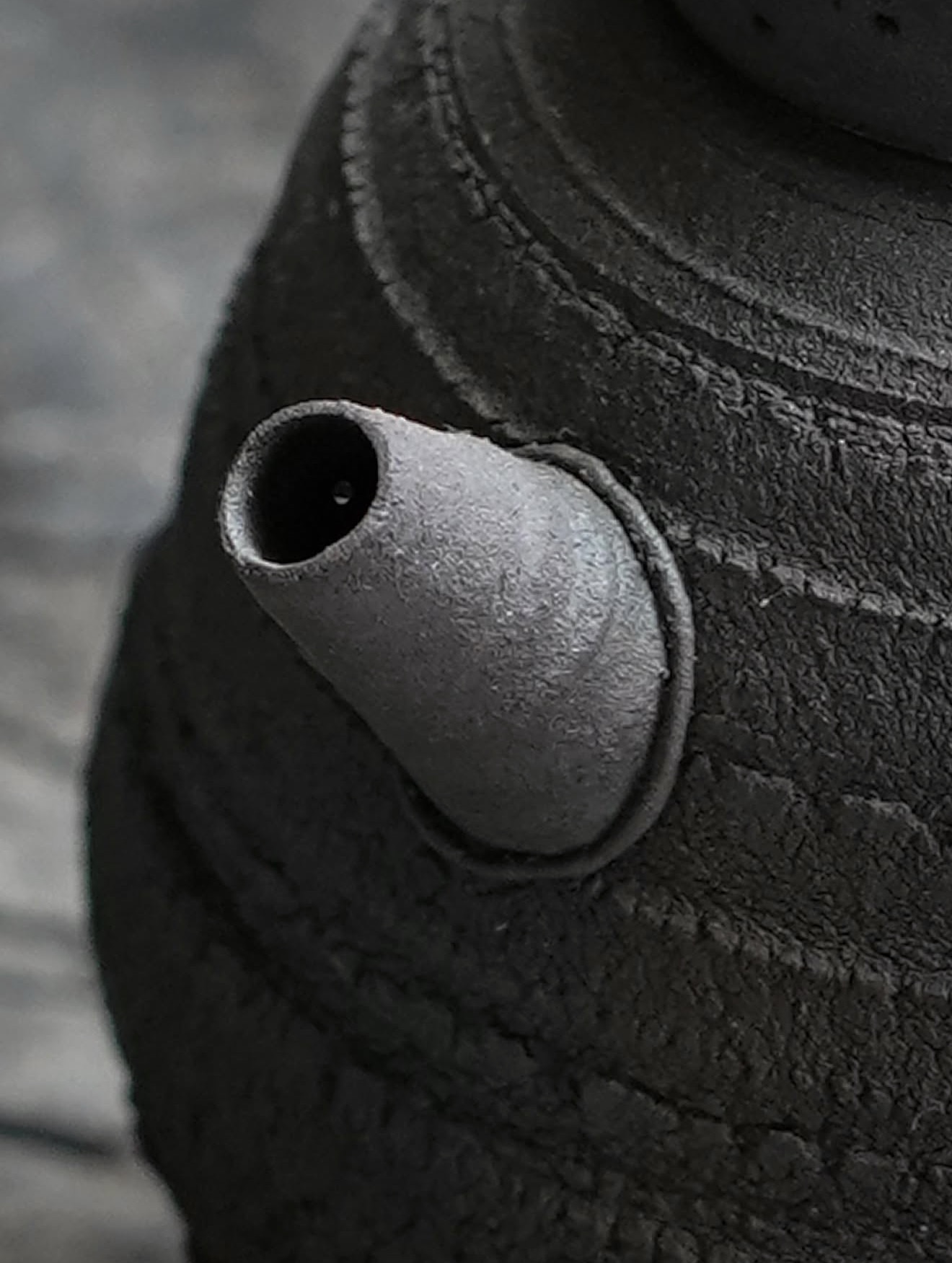
While studying traditional Zisha teapots in college, Yizhi learned to consider the spout, handle, and lid knob in relation to one another. An oversized knob paired with a thin handle, or a large spout beside a tiny knob, can unsettle the whole form. Each element has to find its place within the vessel.
A standard worth returning to
Repeating a familiar shape does not mean relaxing his expectations. He places his strongest previous example on the wheel as a reference and holds the next piece to that standard. A form he has already made remains something to examine and improve.
The material
Traces of time
During throwing, Yizhi is especially attentive to naturally occurring textures on the clay surface, often resembling weathered wood or marks left by long passage of time. Jingdezhen’s traditional throwing method allows only a single opportunity to form the piece, with no possibility of correction. He embraces this irreversibility. Each work becomes a direct exchange between hand, material, and inner state, reinforcing his belief that incompleteness and imperfection are essential conditions rather than flaws. His earlier study of bonsai cultivation sharpened his sensitivity to slow change, proportion, and natural balance, influences that continue to inform his ceramic language.
What bonsai taught him
After college, his interest in plants took him into the mountains to collect wildflowers. Meeting a bonsai master in Jingdezhen led to years of learning. One lesson was to keep extra branches at each level, leaving alternatives if pests or accidents caused damage. He brought that practical approach to ceramics: making spare handles, spouts, and lids, with room for attempts that do not succeed.
An upward force
Watching green leaves catch the morning light gives Yizhi what he describes as an “upward force” (上升力). Observing life in motion helps sustain his own energy and resist listlessness. He finds a similar encouragement in nature programmes such as Planet Earth and Springwatch, returning to images of growth and activity as a source of vitality.
The firing
Shaped by fire
Wood firing plays a central role in his pursuit of essential beauty. He considers it the most honest and demanding method, one that requires patience, acceptance, and repeated failure. Ash from burning firewood and rice husks settles naturally onto the surfaces of his vessels, forming subdued, mottled tones that cannot be predetermined. These restrained colors and textures carry a grounded presence, offering a sense of calm through their lack of insistence. In Yizhi’s work, beauty is not imposed but revealed through process, time, and respect for the natural behavior of materials.
A studio superstition
Alongside this demanding work, Yizhi describes a studio superstition: praise a teapot too soon and it will break. In his telling, it can happen after throwing or assembly, in transit, or even after firing. His advice is to leave a favourite piece alone on the ground and resist the urge to admire it. It is a personal studio belief, rather than a rule of ceramic making.
Inside the studio
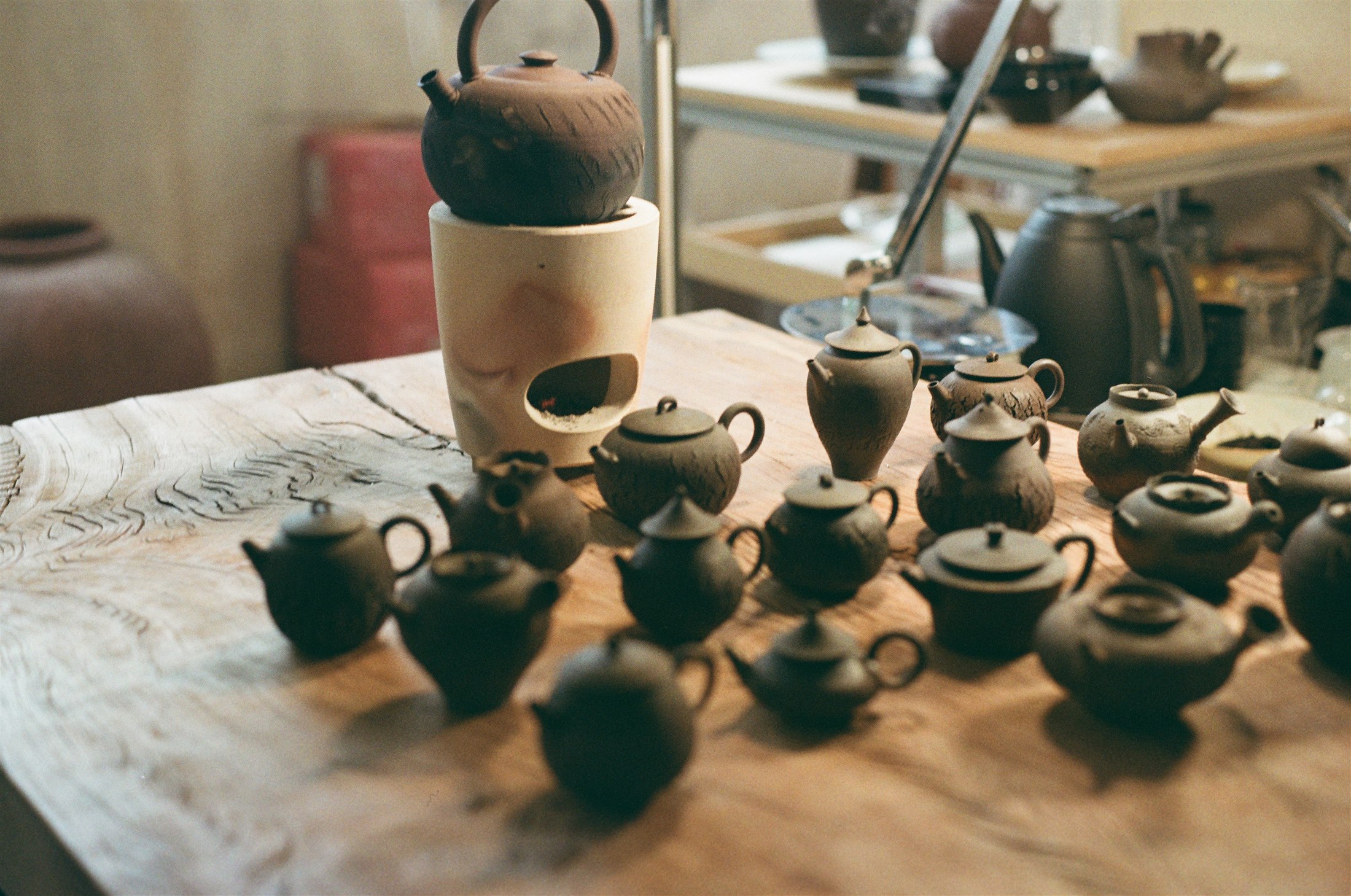
A gathering of forms
By Yizhi