ZhejiangLong Jing
龙井
Shengzhou · Yuexiang Longjing · 2025
A moment for tea
Long Jing means “Dragon Well,” the traditional name of this flat leaf green tea style. Zhejiang identifies its home province.
Roasted chestnut, orchid and fresh greens.
A smooth, rounded cup with soft umami and lingering sweetness.
- Tea
- Zhejiang Long Jing
- Type
- Green tea
- Origin
- Shengzhou, Zhejiang Province, China
- Harvest
- 2025
- Format
- Loose leaf
Brewing guide
Use water below boiling to keep the tender leaf fresh and sweet.
- Teaware
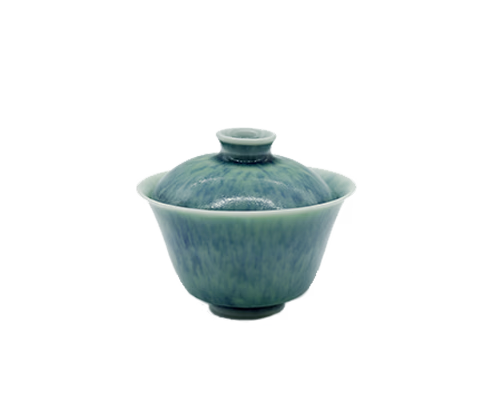
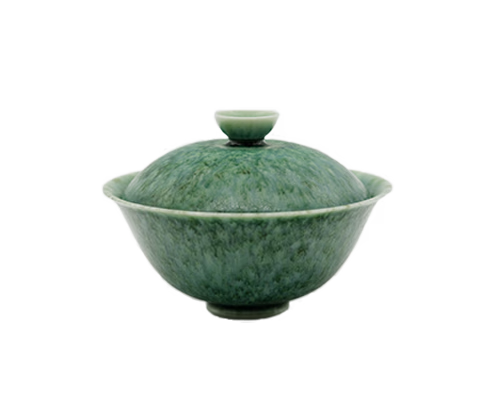
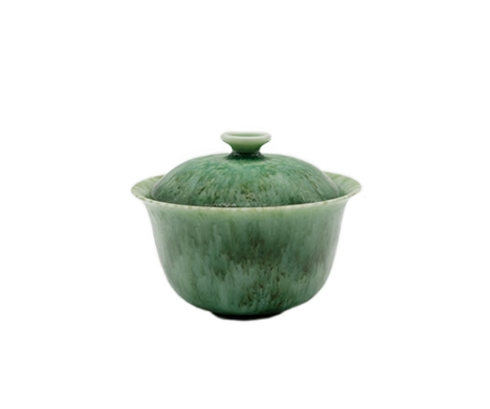
- A porcelain gaiwan, 100 to 120 ml
- Tea amount
- 4 to 5 g
- Water
- Filtered water or low TDS spring water
80 to 85°C / 176 to 185°F - Preparation
- Warm the vessel and add the leaf.
Drain completely between pours. If the cup becomes too strong or drying, shorten the next infusion or let the water cool slightly.
For a larger pot, try 3 g in 200 ml at 80 to 85°C for 60 to 90 seconds, adjusting to taste.
Infusion timings
- 1st infusion
- 10 seconds
- 2nd infusion
- 15 seconds
- 3rd infusion
- 20 seconds
- Following infusions
- Extend gradually as the flavour softens.
Empty the vessel fully between pours and adjust the timing to taste.
Water ratio
Start with 4 to 5 g of tea per 100 to 120 ml of water.
Measure the water used in each infusion. Reuse the same leaves and adjust the quantity for a lighter or fuller cup.
Storage
Keep tightly sealed in a cool, dry place, away from sunlight, humidity and strong smells. Open the pack only briefly when measuring the leaf to preserve its fresh fragrance.
Tasting notes
Chestnut, orchid and soft umami
Zhejiang
Long Jing
Chestnut and fresh greens
A roasted chestnut impression gives the opening cup a gentle nutty warmth. Fresh vegetal notes sit alongside it, keeping the flavour bright and green. The balance is rounded and expressive, with a satisfying depth beneath the freshness.
Orchid and sweet pea
A light orchid fragrance lifts the cup, while sweet pea notes bring a softer green sweetness. The floral aroma becomes clearer as the tea settles, weaving through the nutty character rather than dominating it.
Soft umami and a smooth body
The liquor is clear pale green to yellow green, with a smooth texture and a gently savoury sweetness. Its relatively full body carries the flavour through the sip without losing the softness of the young leaf.
A lingering sweet finish
Sweetness remains after the cup, accompanied by quiet floral and chestnut impressions. Short infusions help preserve that balance. As the leaves gradually open, adjust the timing to explore both the lighter fragrance and the deeper flavour.
← Return to the green tea collectionOrigin & processing
The place behind the leaf
Shengzhou
Zhejiang
Shengzhou · Yuezhou production zone · China
Long Jing from Shengzhou
This 2025 Long Jing comes from Shengzhou in Zhejiang. Shengzhou belongs to the wider Yuezhou production zone, one of the recognised areas associated with Long Jing tea. The city’s regional style is known as Yuexiang Longjing.
A local tradition of fragrance and body
Shengzhou’s tea making tradition places value on an expressive aroma and a mellow, relatively full flavour. The cup combines fresh greens with floral lift and a soft nutty sweetness, retaining a pleasant character through successive infusions.
The flattened leaf
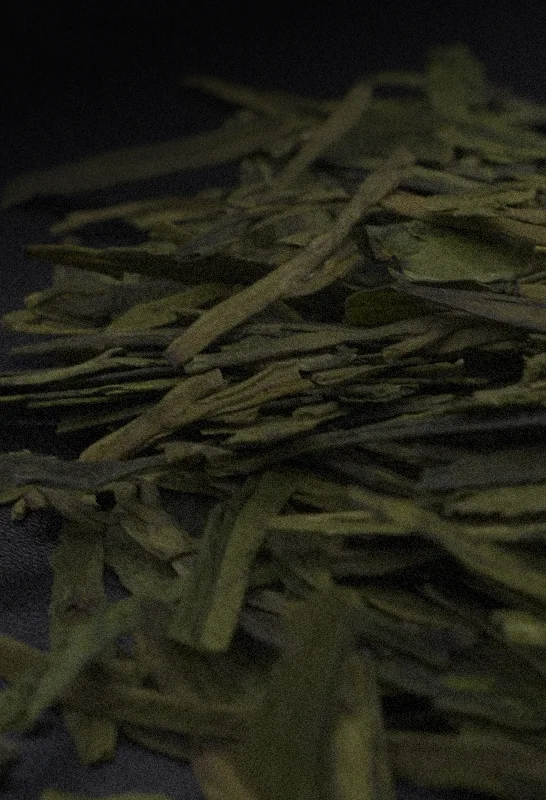
Long Jing means “Dragon Well”. Its recognisable appearance comes from shaping the leaf against a heated surface. The dry tea is slender, flat and smooth, with green to yellow green tones. In water, the leaves soften and open, revealing the tender material beneath that finished shape.
Spreading and heat fixation
Fresh leaves are spread after picking before heating deactivates the enzymes responsible for oxidation. This early control of oxidation preserves the green character of the tea and prepares the leaf for shaping.
Pan firing and shaping
Repeated pressing and shaping against the heated pan develop the flat form. Heat and careful handling work together to retain freshness while building the gentle roasted nut character. The maker balances temperature, movement and the changing moisture of the leaf.
Final drying
The final drying stage reduces moisture and completes the tea for storage. The finished cup brings the fresh, floral and chestnut notes together in a clear, softly savoury liquor.
Hills and valleys
Shengzhou’s tea gardens occupy a varied landscape of hills and valleys. Altitude and local growing conditions differ from garden to garden. This tea is mountain grown; no exact height is assigned to its plot.