YunnanLong Ya
龙芽
Lincang green tea · 2025
A moment for tea
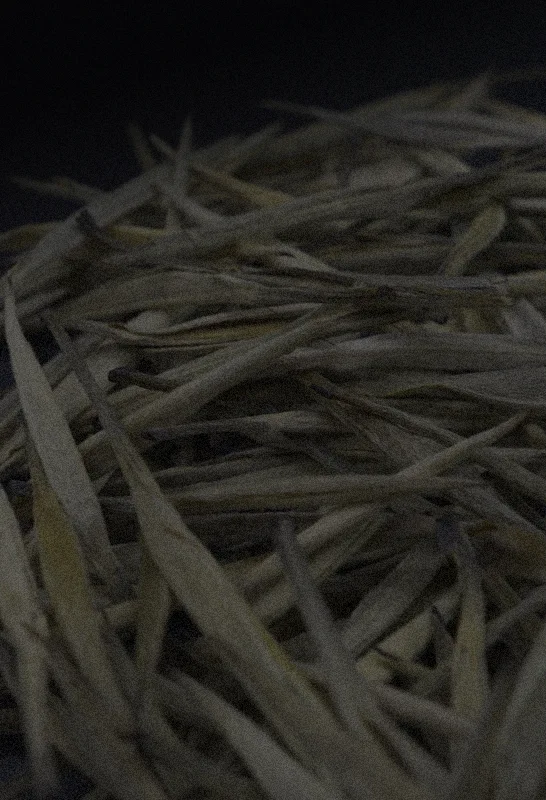
Long Ya means “Dragon Bud,” a name that evokes the slender, pointed buds of this Yunnan green tea.
Fresh herbs, sweet grass and chestnut.
A bright, smooth cup with a returning sweet finish.
- Tea
- Yunnan Long Ya
- Type
- Green tea
- Origin
- Lincang, Yunnan, China
- Harvest
- 2025
- Format
- Loose leaf
Brewing guide
Use water below boiling to keep the tender leaf fresh and sweet.
- Teaware
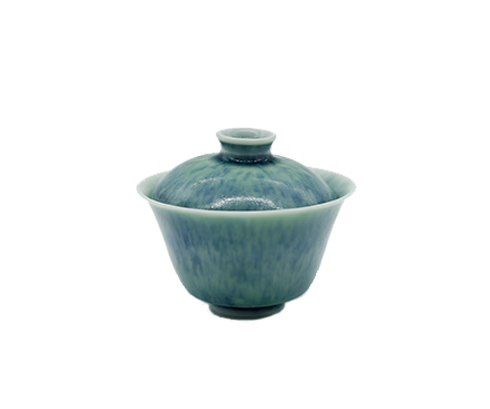
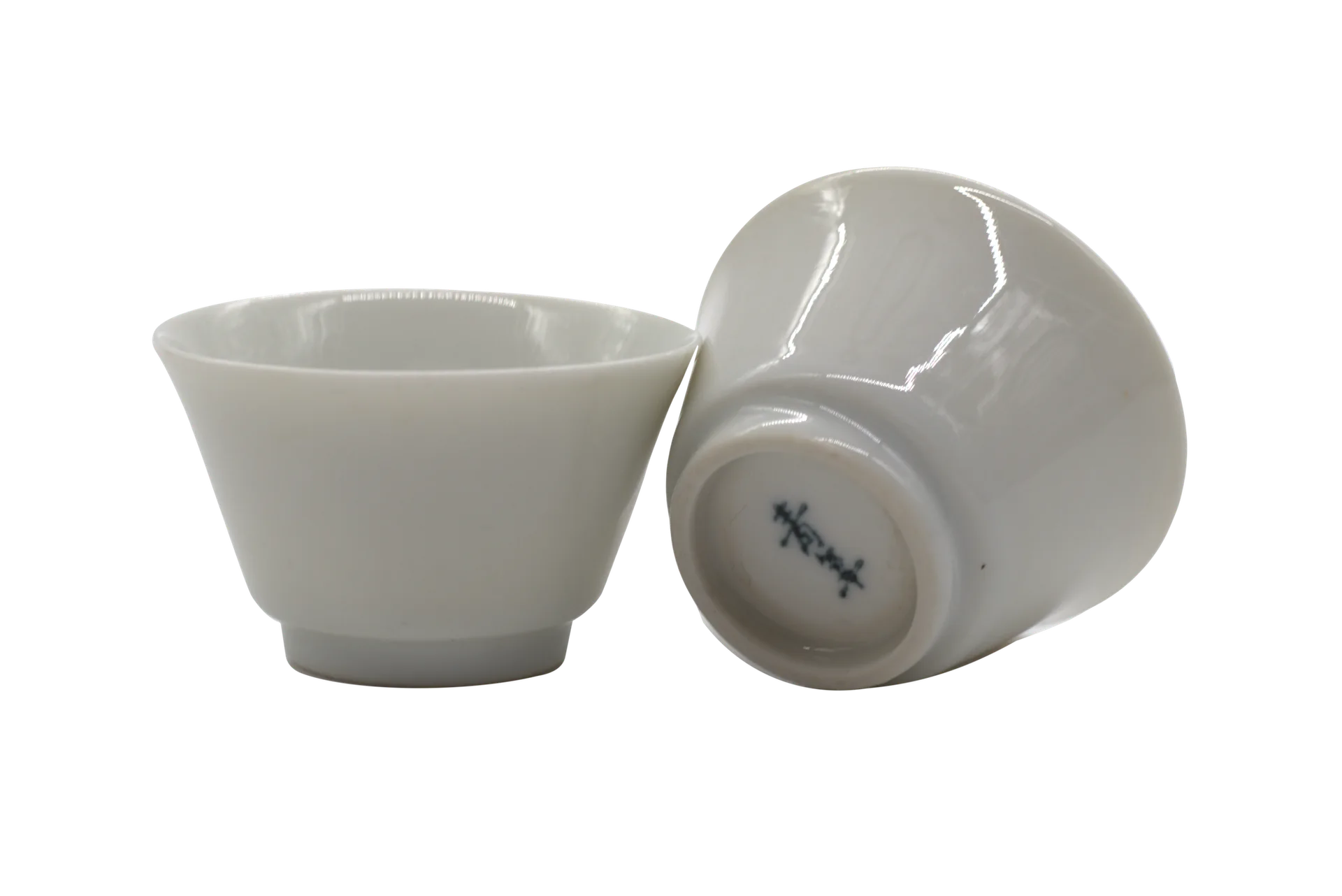
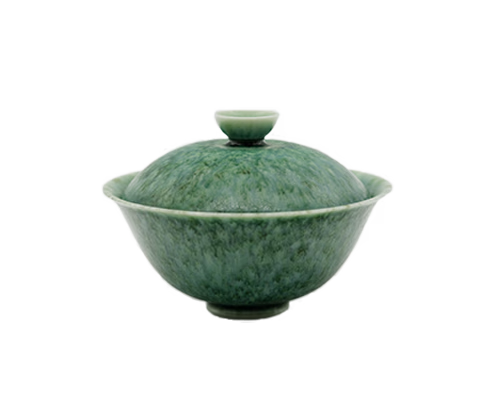
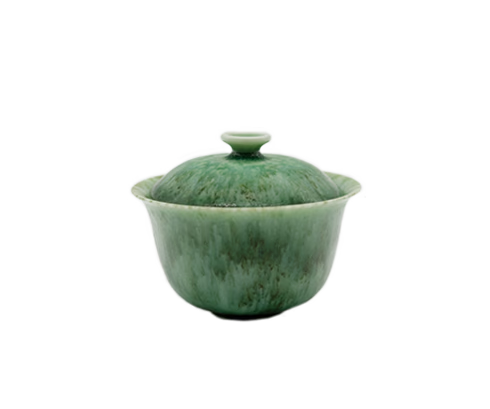
- A porcelain gaiwan, 100 to 120 ml
- Tea amount
- 4 to 5 g
- Water
- Filtered water or low TDS spring water
80 to 85°C / 176 to 185°F - Preparation
- Warm the vessel and add the leaf.
Drain completely between pours. If the cup becomes too strong or drying, shorten the next infusion or let the water cool slightly.
For a larger pot, try 3 g in 200 ml at 80 to 85°C for 60 to 90 seconds, adjusting to taste.
Infusion timings
- 1st infusion
- 10 seconds
- 2nd infusion
- 15 seconds
- 3rd infusion
- 20 seconds
- Following infusions
- Extend gradually as the flavour softens.
Empty the vessel fully between pours and adjust the timing to taste.
Water ratio
Start with 4 to 5 g of tea per 100 to 120 ml of water.
Measure the water used in each infusion. Reuse the same leaves and adjust the quantity for a lighter or fuller cup.
Storage
Keep tightly sealed in a cool, dry place, away from sunlight, humidity and strong smells. Open the pack only briefly when measuring the leaf to preserve its fresh fragrance.
Tasting notes
Fresh herbs and returning sweetness
Yunnan
Long Ya
Dragon Bud from Lincang
Long Ya means “Dragon Bud”. This 2025 green tea comes from Lincang in southwestern Yunnan and is made from tender young buds and leaves. The name describes the tea’s style rather than a specific cultivar or a fixed picking standard.
Fresh herbs and sweet grass
The opening aroma is clean and lively, combining fresh herbs with a sweet grassy character. These green notes give the tea a bright, expressive start, while subtle flowers soften the edges.
Chestnut, wildflowers and soft fruit
Gentle chestnut sweetness sits beneath the fresh greens. A light wildflower fragrance rises through the cup, followed by a mild fruit impression. The flavours move from freshness towards a softer sweetness as the infusion cools.
A smooth, substantial cup
The liquor ranges from pale yellow green to clear golden green. Its texture is smooth, with a satisfying fullness that carries the delicate aromas. Short infusions keep the green character clear while allowing the body to develop.
Returning sweetness
After the sip, a sweet impression returns and lingers on the palate. This quality, known as hui gan, gives the finish its quiet persistence. Pause between infusions to notice how the fresh, floral and nutty notes settle into that sweetness.
← Return to the green tea collectionOrigin & processing
The place behind the leaf
Lincang
Yunnan
Lincang · Southwestern Yunnan · China
Yunnan’s large leaf tradition
Lincang has a long tradition of growing Yunnan large leaf tea plants. Their material can give regional green teas a full, expressive character, bringing body and depth alongside a fresh fragrance and sweet finish.
The leaf and the cup
Slender leaf shapes and fine pale bud hairs are characteristic of this style. In the gaiwan, the young leaf opens gradually, producing a clear yellow green liquor. Gentle brewing brings its freshness, floral aroma and chestnut sweetness into balance.
Spreading and heat fixation
Freshly picked leaves are spread briefly before heating. The heat fixation stage, also called kill green, deactivates the enzymes responsible for oxidation and helps preserve the tea’s fresh green character.
Rolling, shaping and drying
The leaves are rolled and shaped, then loosened as needed before drying. Drying reduces moisture for storage and completes the green tea. The sequence keeps the focus on fragrance, body and a returning sweet finish.
A mountainous growing region
Lincang’s varied terrain creates many different growing conditions. The elevation diagram gives regional context; it does not identify the height of this tea’s garden. The exact cultivar, picking date within 2025 and garden altitude have not been specified.