Ceramic artist
Zheng Bixin
郑壁鑫Ceramic Artist
Founder of Yangyu Handmade Studio
Currently based in Jingdezhen, Jiangxi, China
In 2014, enrolled in the Ceramic Art program at Hanshan Normal University and began formal training in ceramic creation
In 2015, started focusing on teapot making
In 2016, began exploring wood-fired ceramic techniques
In 2018, founded Yangyu Handmade Studio
Selected Exhibitions
- Nature Arising: Handcraft Artists Exhibition
- The Harmonious Beauty of Nature, Summer Ceramics Exhibition
- Mu Mo Zuo Guang: Thousand Objects Exhibition, comprehensive exhibition of ceramic works by artists from China and abroad
- Mu Mo Zuo Guang: “Chi Cha Qu”, three-person joint exhibition of tea wares and textiles
- Traces — Tea & Life Joint Exhibition
The practice
Vessels & daily ritual
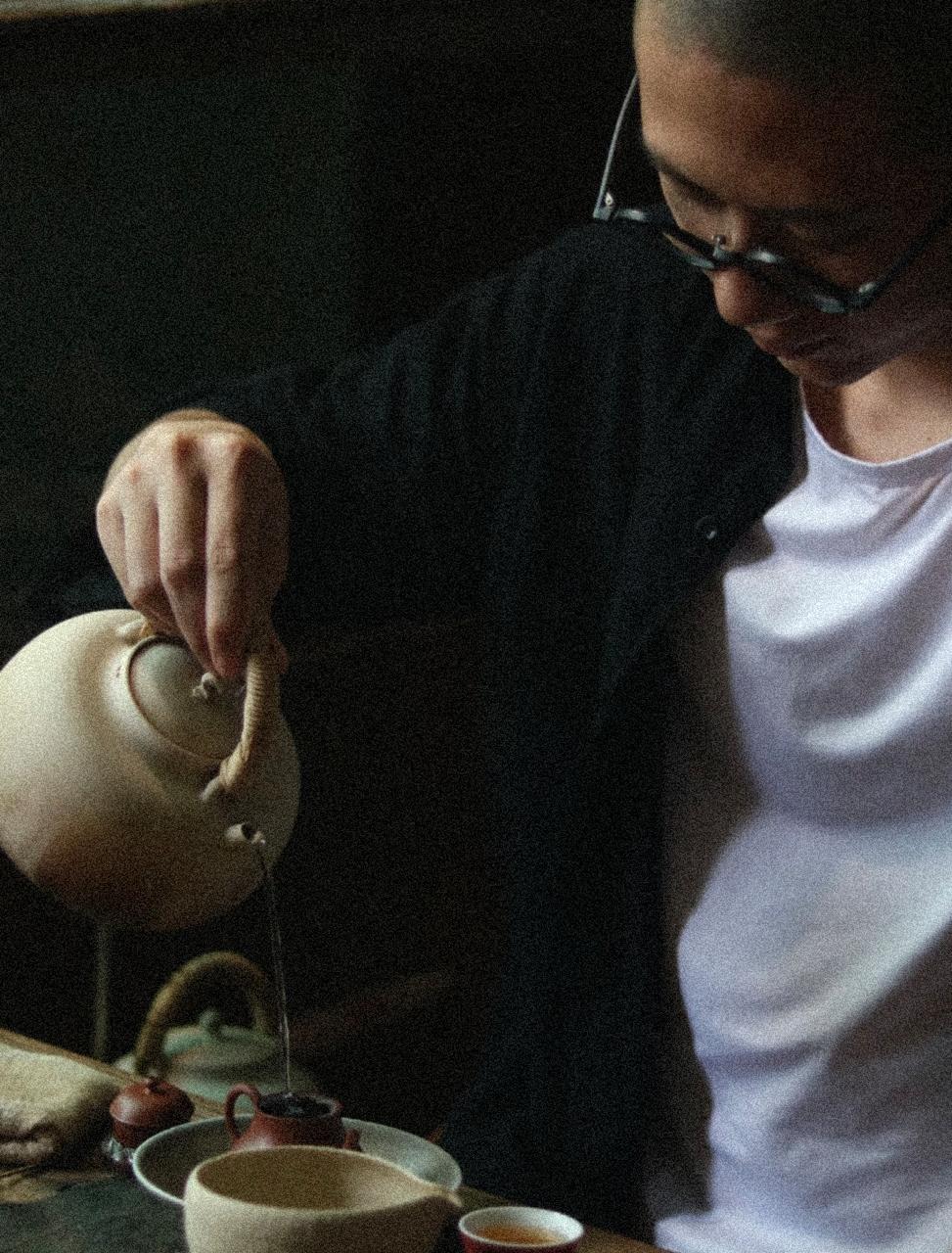
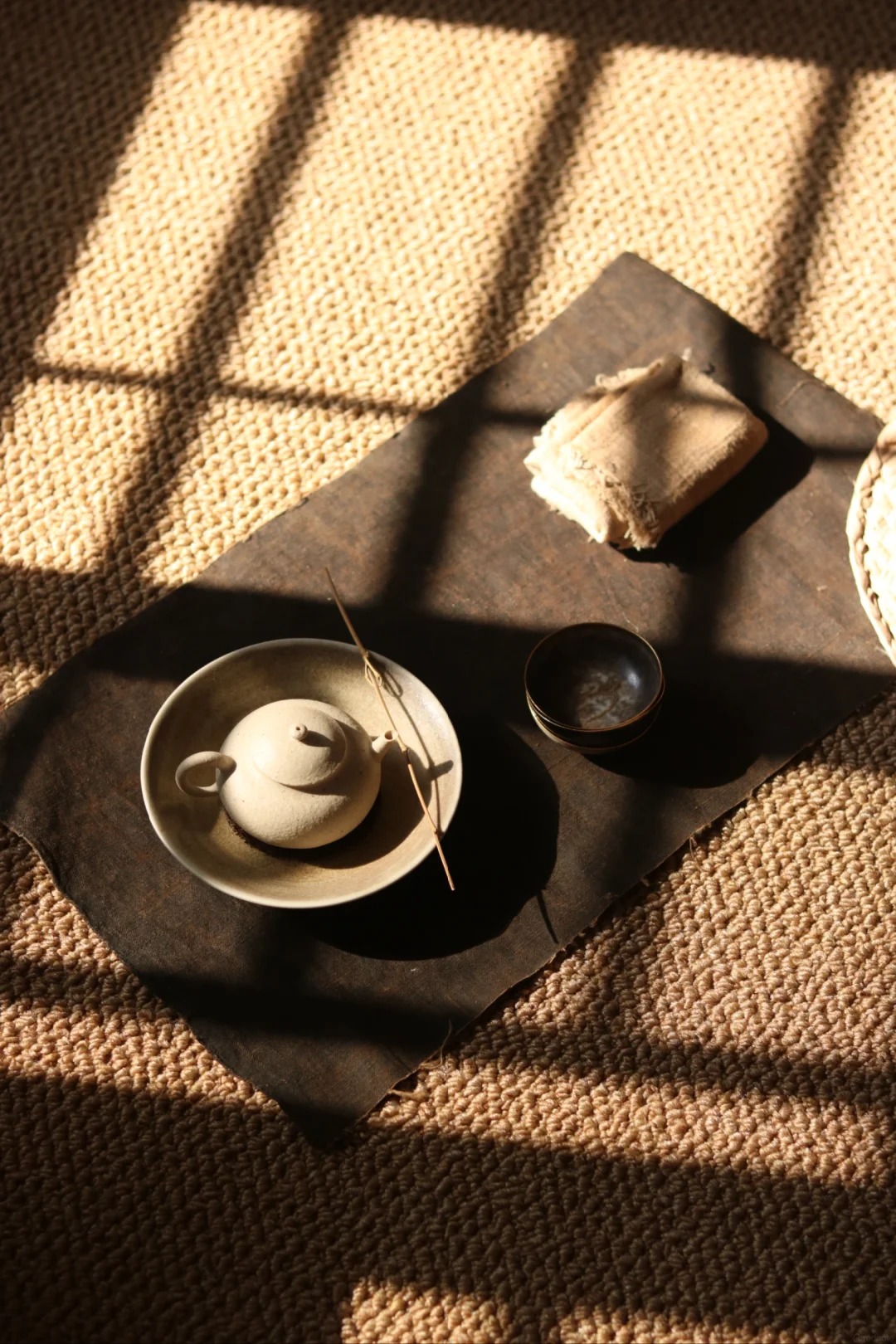
Zheng Bixin is a ceramic artist whose practice sits at the intersection of vessel making, tea culture, and lived ritual. As the founder of Yangyu Handmade Studio in Jingdezhen, his work is shaped by long-term engagement with Chaozhou Gongfu tea culture and an insistence on functionality as a core measure of value.
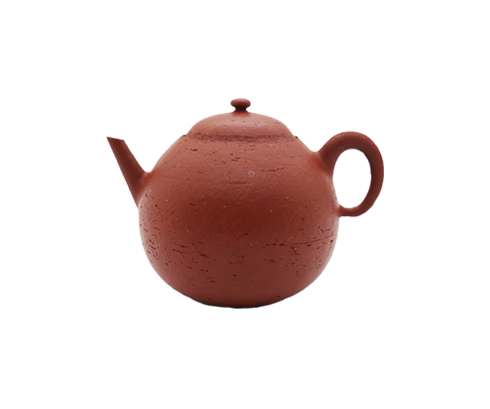
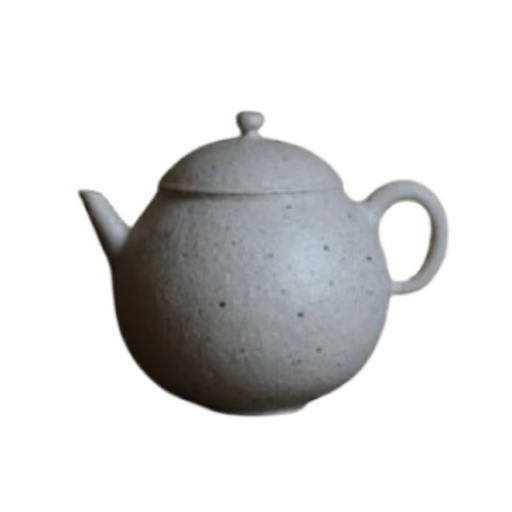
For him, teapots and vessels are not autonomous objects but tools for use, observation, and repetition. This grounding in tea practice gives his work a clear direction, where form, balance, and material response are always tested through daily interaction rather than abstract intent.
The practice
A path into making
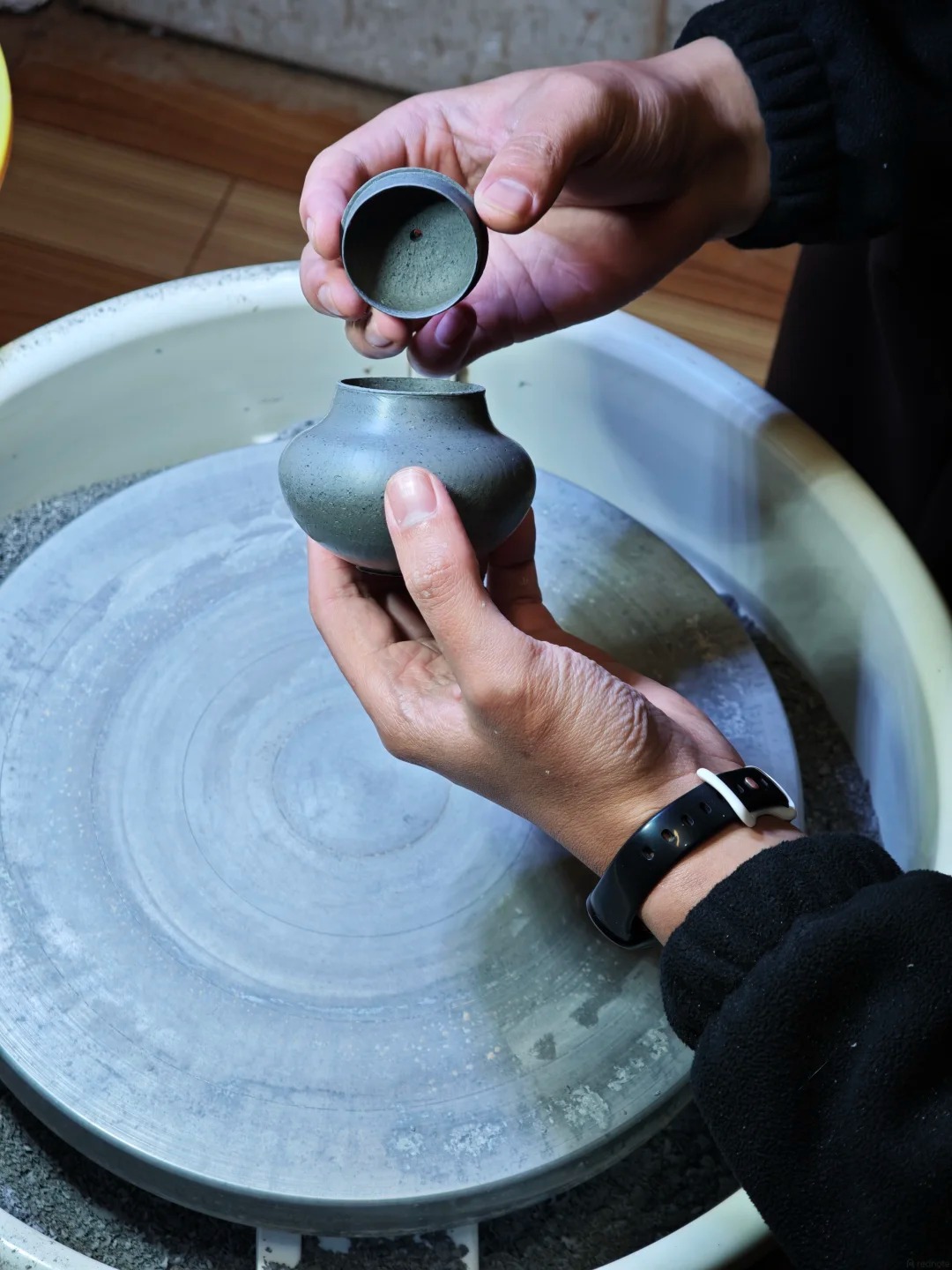
His path into ceramics began in 2014 at Hanshan Normal University, where he studied ceramic art, gradually narrowing his focus toward teapot making by 2015.
In 2016, he turned toward wood firing, drawn to its unpredictability and the way it resists surface control. This shift marked a deeper commitment to process over finish.
The founding of Yangyu Handmade Studio in 2018 formalized this direction, anchoring his work in Jingdezhen while allowing him to develop a sustained, personal language rooted in making rather than production.
The practice
Form, fire & time
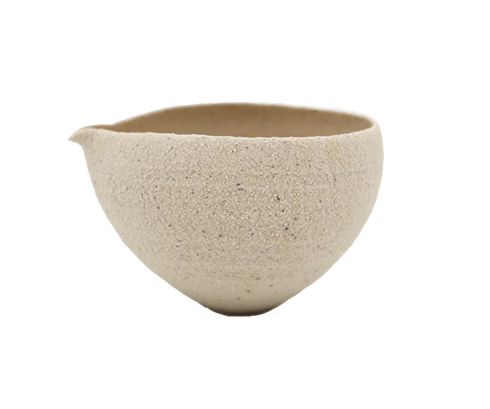
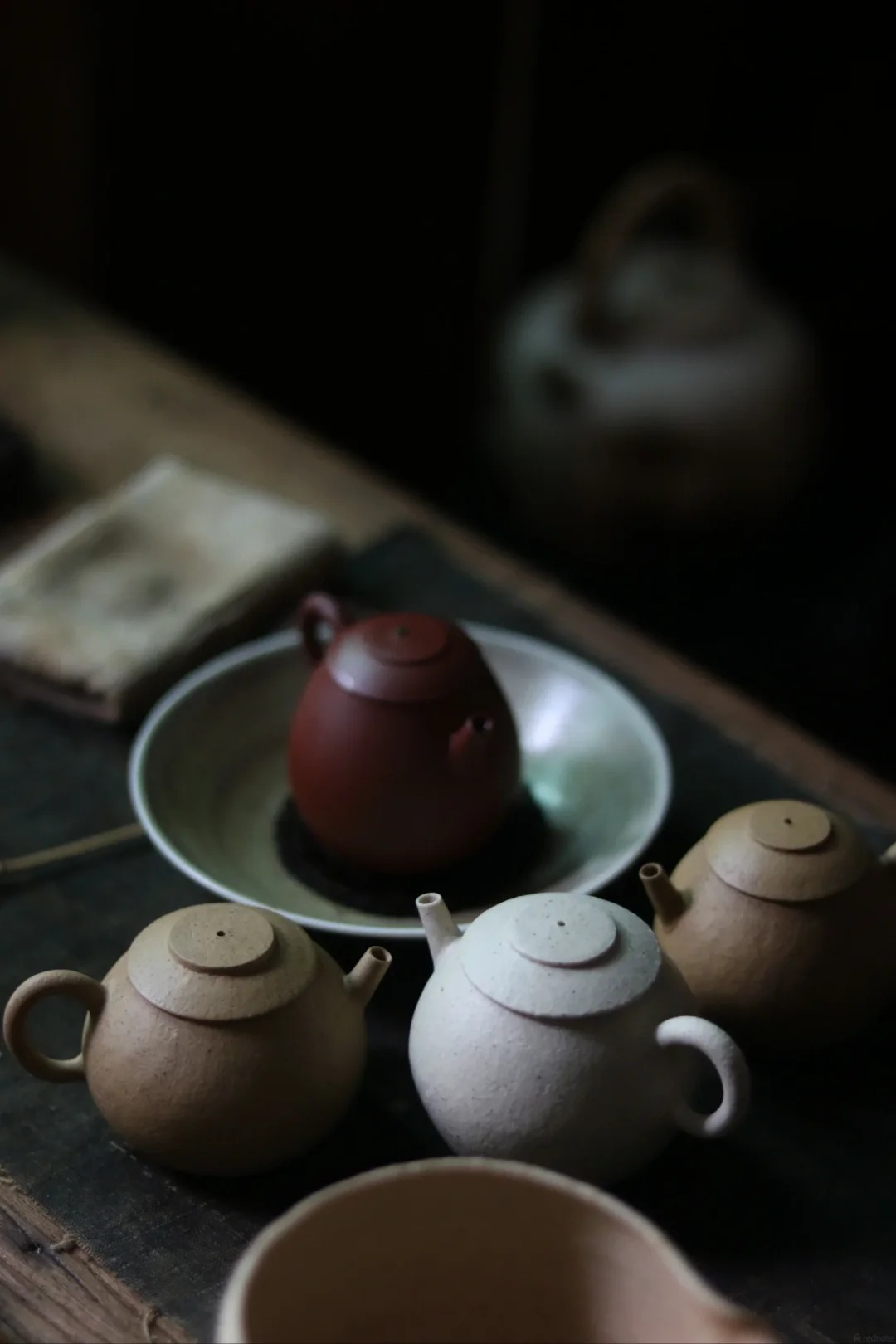
Zheng Bixin’s vessels favor directness and restraint. Forms are clear and unembellished, allowing proportion, weight, and usability to take precedence. Wood firing introduces variation through ash fall, flame path, and atmosphere, creating surfaces that carry natural shifts in tone and texture.
These effects are not decorative additions but the result of material conditions allowed to act freely. Traces of firing, ash accumulation, and subtle irregularities remain visible, reinforcing a sense of time embedded in the object.
The practice
A rhythm of care
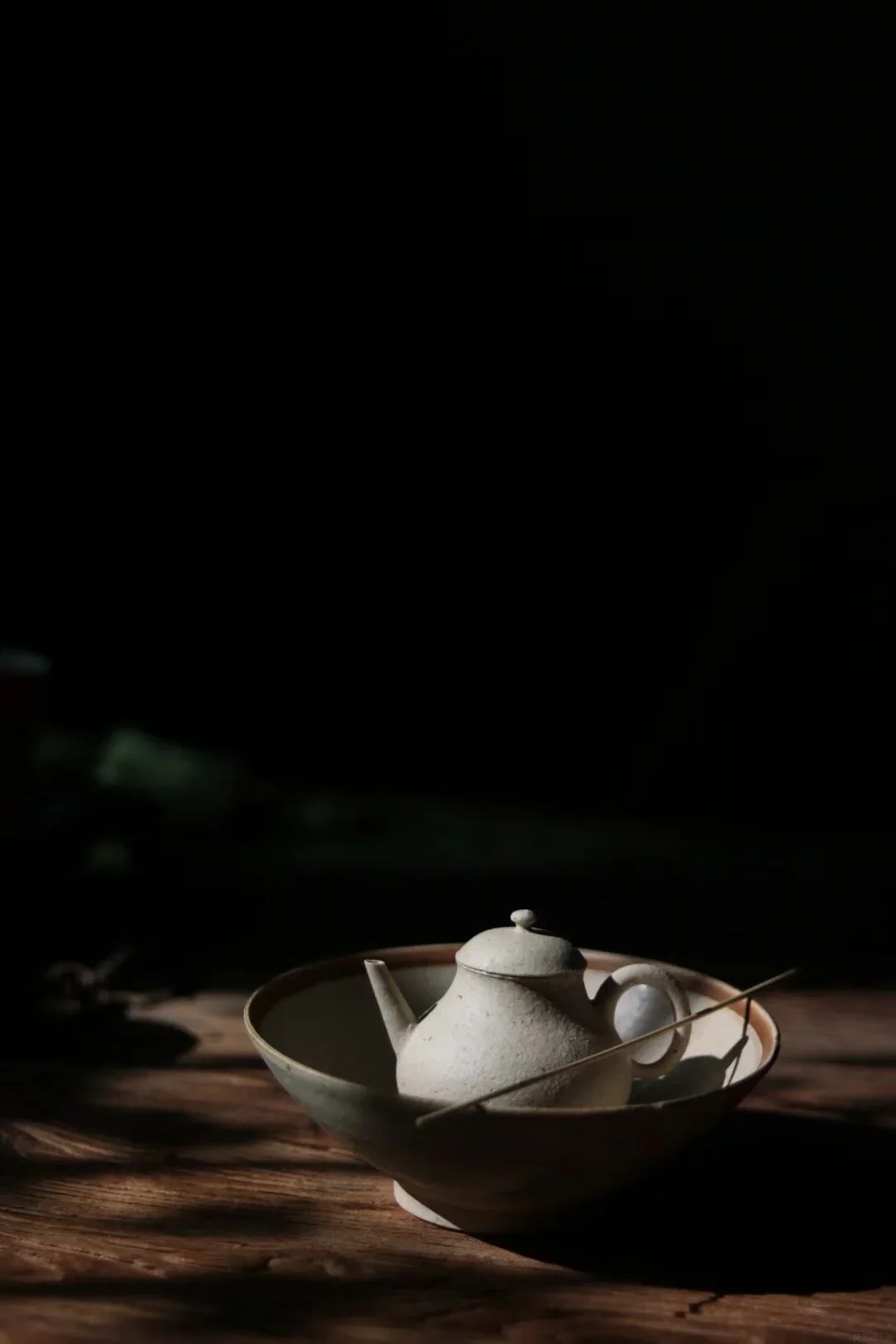
Underlying his work is a belief that beauty emerges through alignment rather than assertion. His engagement with Gongfu tea culture reinforces this outlook, emphasizing attentiveness, repetition, and sensitivity to small change.
Whether through the curve of a spout, the weight of a lid, or the way a vessel responds to heat and water, his work reflects an ethic of moderation and respect for material behavior. Zheng Bixin’s ceramics do not seek to stand apart from life but to settle into it, becoming part of a sustained rhythm of use, observation, and care.
By Zheng Bixin