SilverNeedles
白毫银针
Bai Hao Yin Zhen · Fuding white tea · 2022
A moment for tea
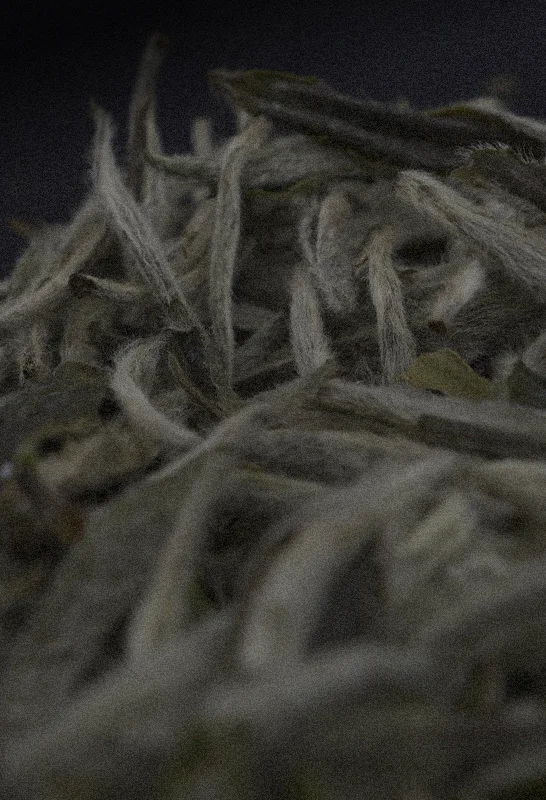
Bai Hao Yin Zhen means “white haired silver needle,” describing the slender buds covered in fine silvery down.
White flowers, honey and soft fruit.
Silvery spring buds with a delicate, silky texture.
- Tea
- Silver Needles · Bai Hao Yin Zhen
- Type
- White tea
- Origin
- Fuding, Fujian, China
- Harvest
- 2022
- Format
- Loose leaf
Brewing guide
Start gently to explore the flowers, soft fruit and rounded texture.
- Teaware
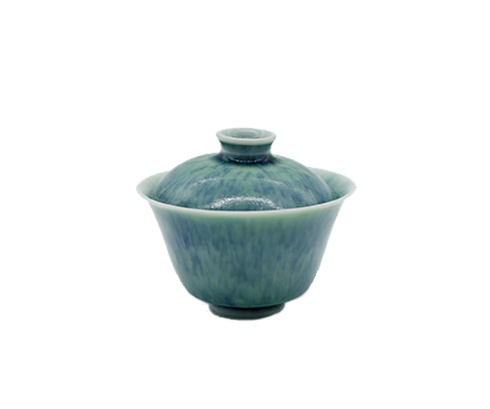
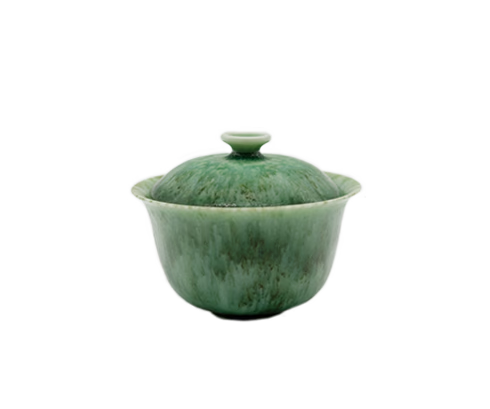
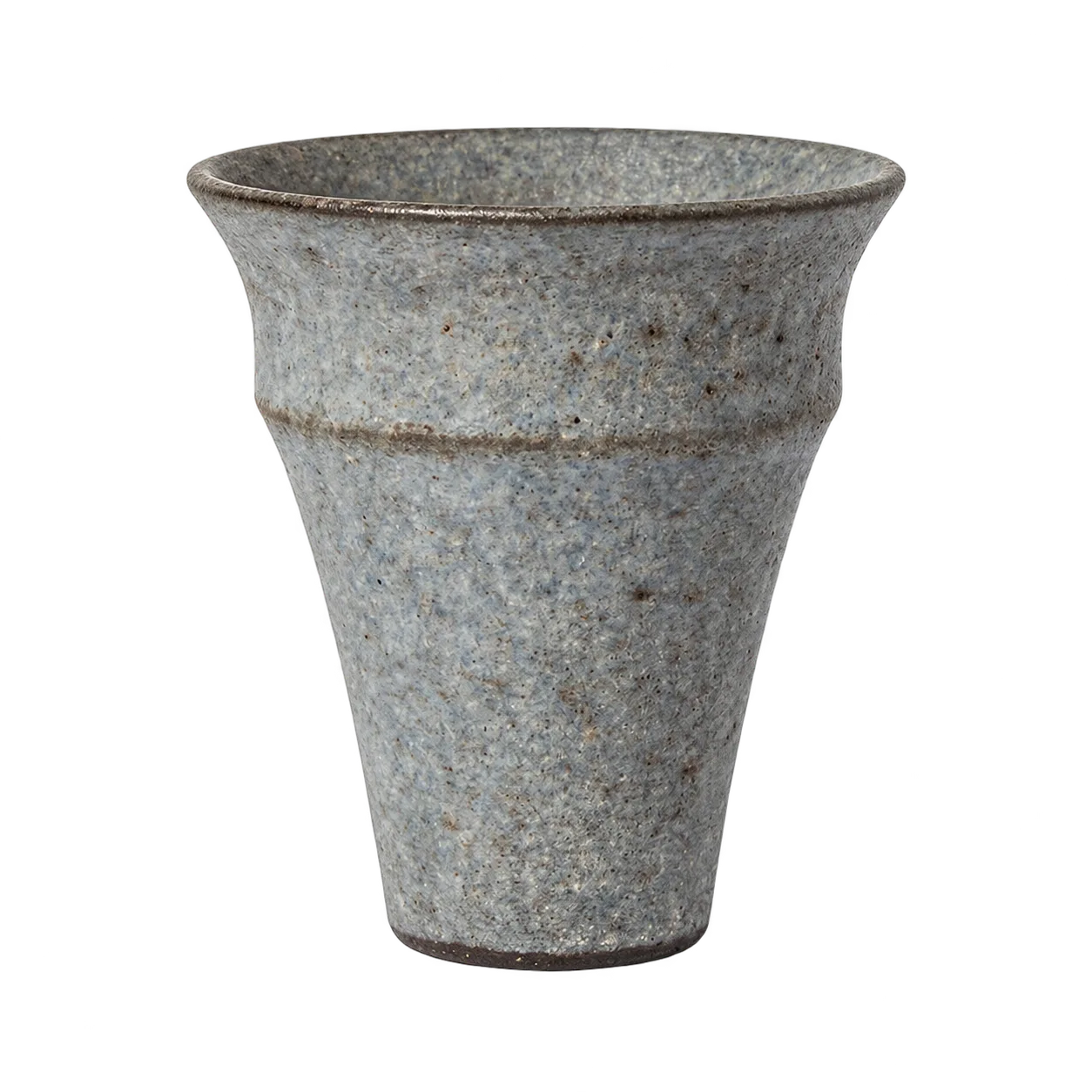
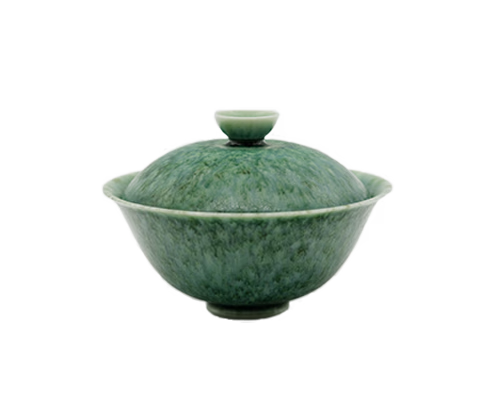
- A porcelain gaiwan, 120 ml
- Tea amount
- 4 to 5 g
- Water
- Filtered water or low TDS spring water
85 to 90°C / 185 to 194°F - Preparation
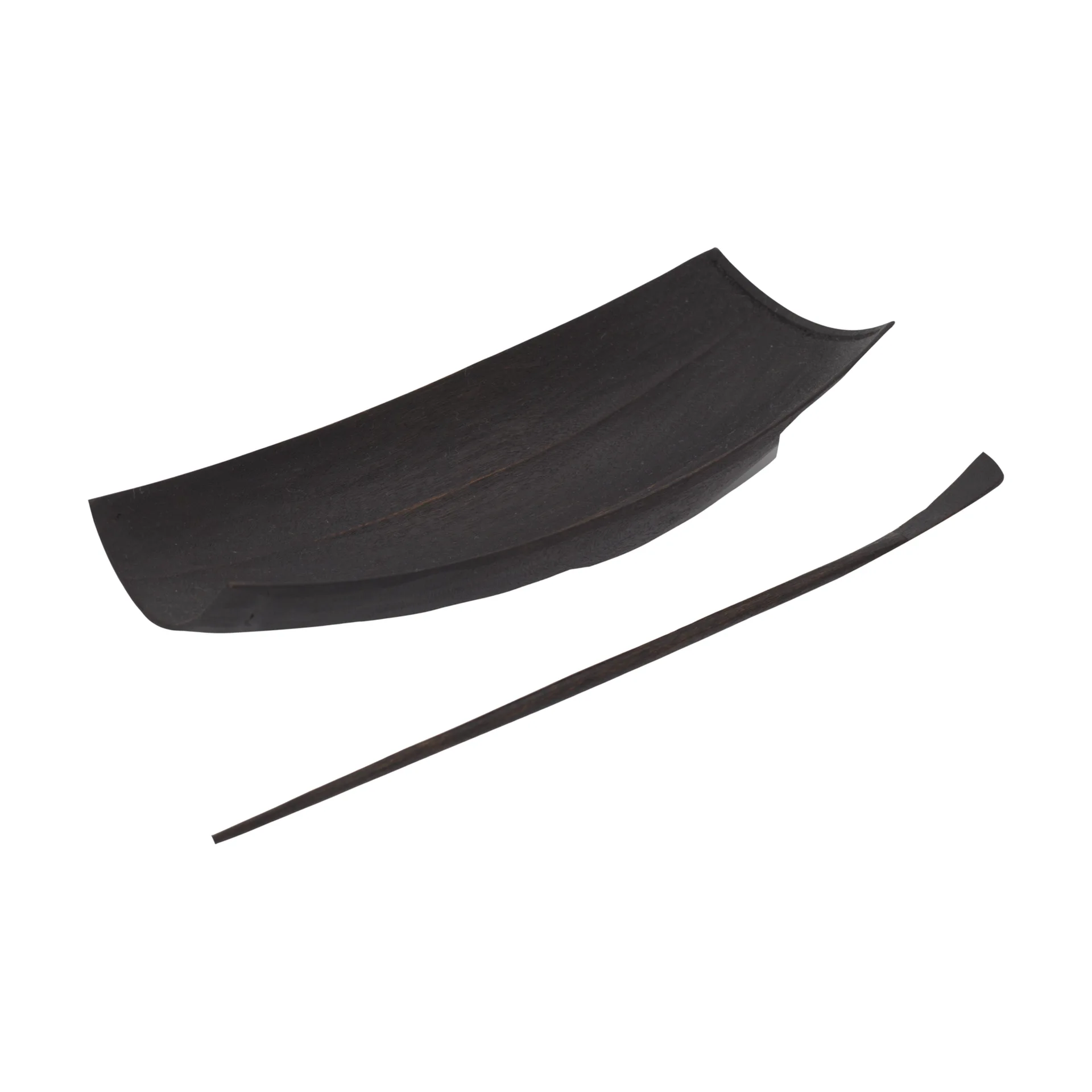
- Warm the vessel and add the leaves.
Pour out completely between infusions. Slightly hotter water or a longer steep can bring more body; cooler water and shorter pours keep the expression lighter. Adjust to the cup you enjoy.
Infusion timings
- 1st infusion
- 20 to 30 seconds
- Following infusions
- Begin with similar timing, then add 5 to 10 seconds as the flavour softens.
Empty the vessel fully between pours and adjust the timing to taste.
Water ratio
Start with 4 to 5 g of tea per 120 ml of water.
Measure the water used in each infusion. Reuse the same leaves and adjust the quantity for a lighter or fuller cup.
Storage
Keep well sealed in a cool, dry place, protected from light, moisture and strong smells. If setting some tea aside, use stable storage conditions and revisit it periodically. Its aroma and texture may develop with time; the pace depends on the leaf and storage.
Tasting notes
Flowers, soft fruit and honey
Silver Needles
White flowers and melon
A quiet floral fragrance opens the cup, followed by a light melon sweetness. These delicate notes are best explored in a warm cup and unhurried pours, allowing the aroma to unfold as the liquor cools.
Honey, apricot and dried hay
Honey brings a rounded sweetness beneath the flowers. Soft apricot and dried hay add depth without overwhelming the lighter fruit character. The flavour stays gentle, with a subtle herbal thread running through the finish.
A silky golden cup
The fine hairs on the buds, known as hao, give the dry tea its silvery appearance. In the cup, the texture is smooth and almost silky. The liquor moves from pale straw to clear gold or light apricot as the infusion strengthens.
A lingering sweetness
The finish is soft and persistent, with a returning sweetness, or hui gan, emerging between sips. Shorter infusions keep the floral expression light; a little more time brings forward the honeyed body and gentle fruit.
← Return to the white tea collectionOrigin & processing
The place behind the leaf
Fuding
Fujian
Northern Fujian · China
Spring buds from Fuding
Our 2022 Silver Needles comes from Fuding in northern Fujian, a historic centre of Chinese white tea. Its Chinese name, Bai Hao Yin Zhen, describes the silvery hairs and slender, needle like form of the unopened buds.
The character of the bud
Silver Needles is the most bud focused of Fuding’s traditional white tea styles. Long, slender buds carry a dense covering of fine pale hairs. Compared with the bud and leaf composition of White Peony, this gives the tea a more delicate expression and a particularly soft texture.
A regional tradition
Fuding Da Bai Cha and Fuding Da Hao Cha are traditional white tea cultivars associated with the region, valued for their prominent buds and fine hairs. Alongside Silver Needles, Fuding’s white tea family includes Bai Mu Dan, Gong Mei and Shou Mei.
Withering with care
Fresh buds are gently spread and allowed to lose moisture gradually. Mild natural oxidation accompanies withering, developing the aroma and texture. Careful handling protects the buds; airflow and the condition of the material guide the process.
Drying and sorting
The withered buds are gently dried to reduce the remaining moisture, then sorted. There is no early heat fixation stage as in green tea, and no deliberate rolling or heavy bruising. The finished tea retains the natural form of the tender buds.
The 2022 harvest
Time can soften the fresh green edge of young white tea, allowing honey, dried hay and gentle fruit to become more apparent. This harvest retains a delicate character: a few years of rest need not produce a heavily aged flavour.
How the tea develops
White tea changes gradually in storage. Fresh floral and melon notes may give way to rounder sweetness, dried fruit and subtle woody or herbal depth. Temperature, humidity and packaging influence that development, so age alone does not determine the cup. Keep the tea sealed, dry and away from light and strong aromas.