WhitePeony
白牡丹
Bai Mu Dan · Fuding white tea · 2024
A moment for tea
Bai Mu Dan means “White Peony,” evoking the appearance of a silvery bud framed by young leaves.
Wildflowers, white peach and melon.
A soft, rounded cup with fresh hay and honey sweetness.
- Tea
- White Peony · Bai Mu Dan
- Type
- White tea
- Origin
- Fuding, Fujian, China
- Harvest
- 2024
- Format
- Loose leaf
Brewing guide
Start gently to explore the flowers, soft fruit and rounded texture.
- Teaware
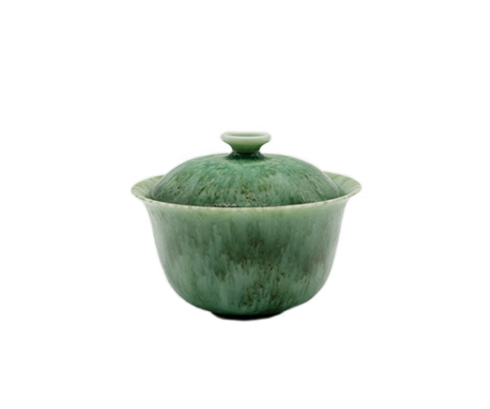
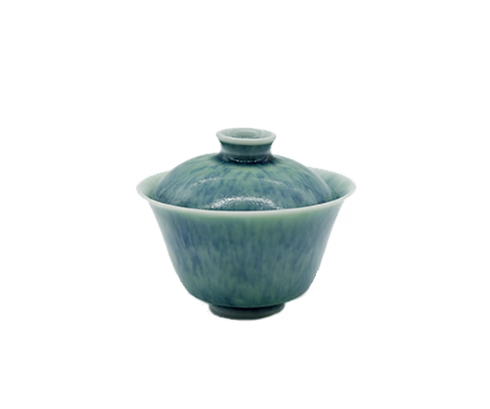
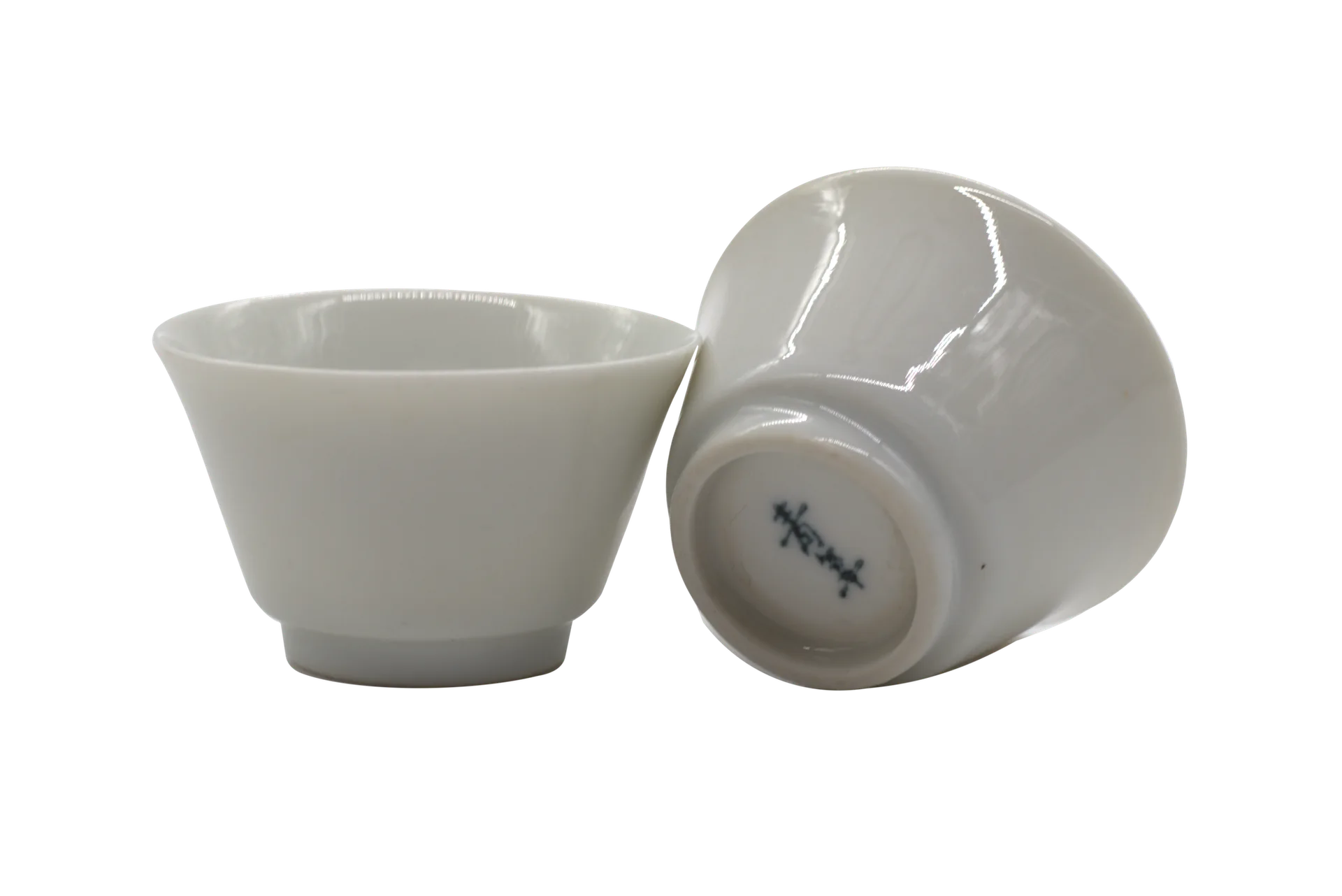
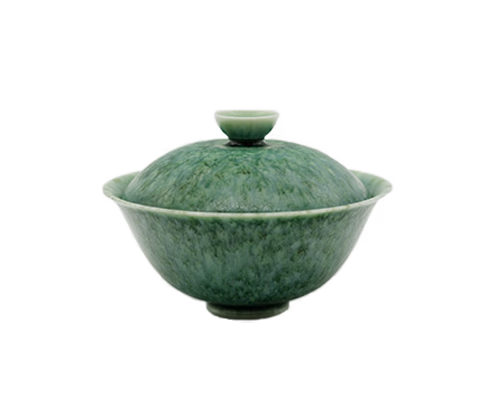
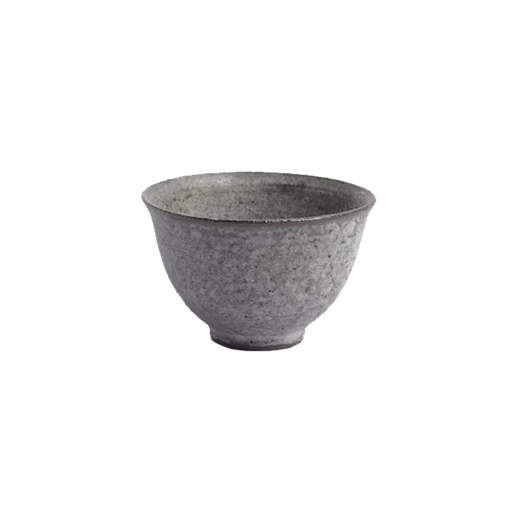
- A porcelain gaiwan, 120 ml
- Tea amount
- 4 to 5 g
- Water
- Filtered water or low TDS spring water
85 to 90°C / 185 to 194°F - Preparation
- Warm the vessel and add the leaves.
Pour out completely between infusions. Slightly hotter water or a longer steep can bring more body; cooler water and shorter pours keep the expression lighter. Adjust to the cup you enjoy.
Infusion timings
- 1st infusion
- 20 to 30 seconds
- Following infusions
- Begin with similar timing, then add 5 to 10 seconds as the flavour softens.
Empty the vessel fully between pours and adjust the timing to taste.
Water ratio
Start with 4 to 5 g of tea per 120 ml of water.
Measure the water used in each infusion. Reuse the same leaves and adjust the quantity for a lighter or fuller cup.
Storage
Keep well sealed in a cool, dry place, protected from light, moisture and strong smells. If setting some tea aside, use stable storage conditions and revisit it periodically. Its aroma and texture may develop with time; the pace depends on the leaf and storage.
Tasting notes
Flowers, soft fruit and honey
White Peony
Wildflowers and white peach
A fresh floral fragrance opens the cup, with the softness of white peach beneath it. The aroma feels delicate and clear, offering gentle fruit sweetness alongside the lightness of the young buds.
Melon, fresh hay and gentle herbs
A melon like freshness gives the tea a juicy quality. Fresh hay and quiet herbal notes add another layer, balancing the fruit with a soft green character. As the infusion cools, these flavours settle into a mellow sweetness.
A rounded texture
The combination of buds and leaves gives White Peony a little more fullness than an all bud white tea. Its liquor ranges from pale straw yellow to clear gold or light apricot, depending on brewing strength. The texture stays soft and clean, carrying the fragrance through the sip.
Honey and returning sweetness
A light honey impression lingers after the cup, followed by a gentle returning sweetness, or hui gan. Give the tea a moment between pours to notice the way flowers, fruit and hay move into that finish.
← Return to the white tea collectionOrigin & processing
The place behind the leaf
Fuding
Fujian
Northern Fujian · China
White Peony from Fuding
This 2024 Bai Mu Dan comes from Fuding in northern Fujian, one of China’s principal white tea regions. Its name, White Peony, reflects the appearance of silvery buds framed by young leaves.
Buds and leaves together
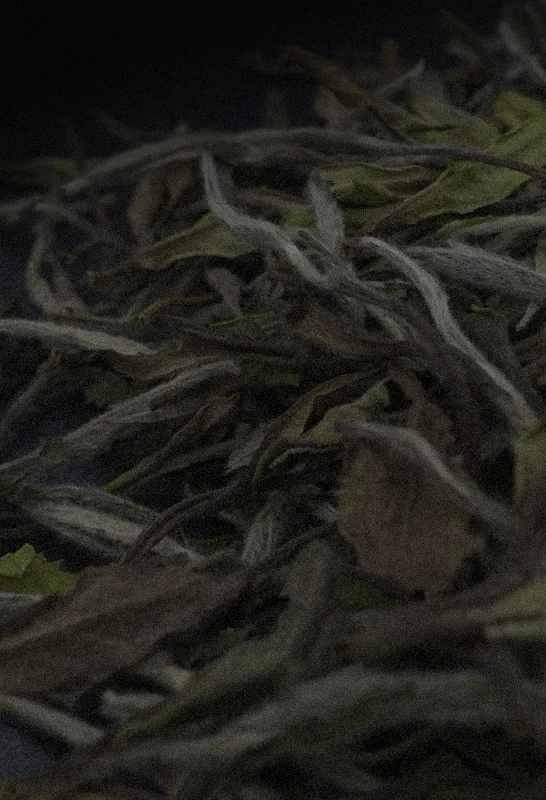
The finished leaf combines silver white buds, soft green leaves and olive tones. Fine pale hairs remain visible on the tender material. This balance gives the tea both the delicacy of the bud and the fuller aromatic expression of the leaf.
Fuding’s tea plants
Fuding Da Bai Cha and Fuding Da Hao Cha are closely associated with the region’s white tea tradition. Both are known for prominent buds and fine white hairs. They provide important context for the style, without identifying a particular cultivar for this batch.
A family of white teas
Bai Hao Yin Zhen, Bai Mu Dan, Gong Mei and Shou Mei are traditional white tea styles associated with Fuding. White Peony balances the delicacy of Silver Needle with a fuller leaf character, retaining a fresh, expressive fragrance and a rounded cup.
Slow withering
Fresh shoots are carefully spread and allowed to lose moisture gradually. Gentle natural oxidation accompanies this stage, helping the aroma, sweetness and texture develop. Airflow, weather and the condition of the leaf guide the maker’s decisions.
Drying with restraint
After withering, gentle drying reduces the remaining moisture. Traditional white tea processing does not use green tea’s heat fixation step, nor does it deliberately roll or heavily bruise the leaves. Careful handling preserves their open, natural form.
Resting and change
Young White Peony often places its emphasis on fresh flowers and tender bud fragrance. With time and suitable storage, the cup may become rounder and develop deeper sweetness. The character of each tea evolves at its own pace.