Aged WildGong Mei
荒野贡眉
Huangye Gong Mei · Fuding white tea · 2017
A moment for tea
Gong Mei means “Tribute Eyebrow,” a traditional white tea name. Huangye means “wild,” describing the growing style, while Aged refers to its time in storage.
Dried dates, honey and gentle herbs.
A rounded, layered cup with soft wood and lingering sweetness.
- Tea
- Aged Wild Gong Mei · Huangye Gong Mei
- Type
- White tea
- Origin
- Fuding, Fujian, China
- Harvest
- 2017
- Format
- Compressed cake
Brewing guide
Use short infusions to explore dried fruit, honey and the deeper character of the leaf.
- Teaware
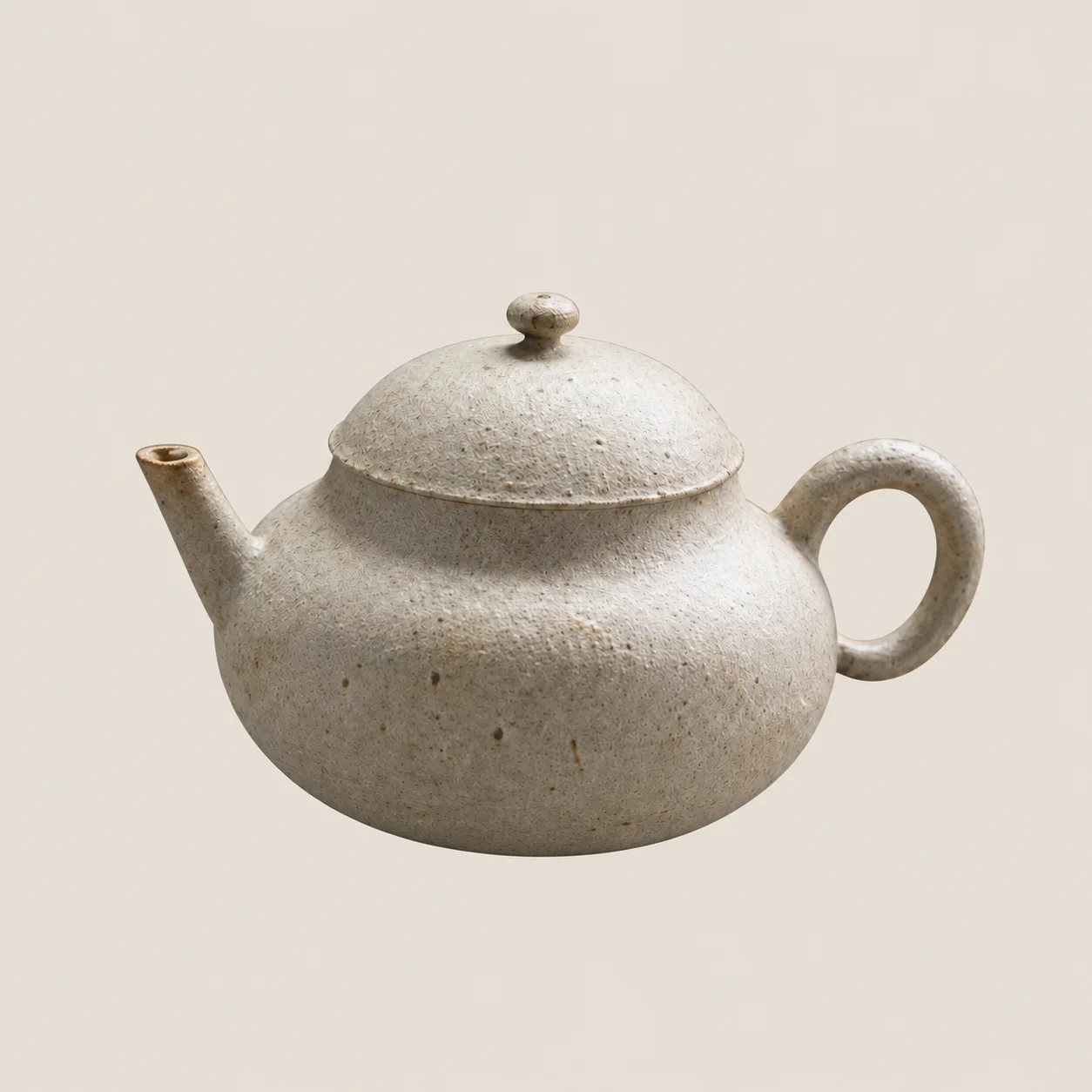
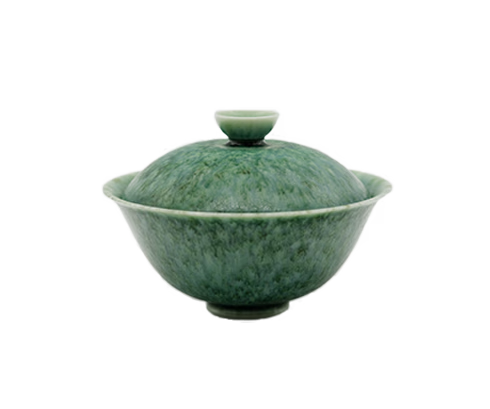
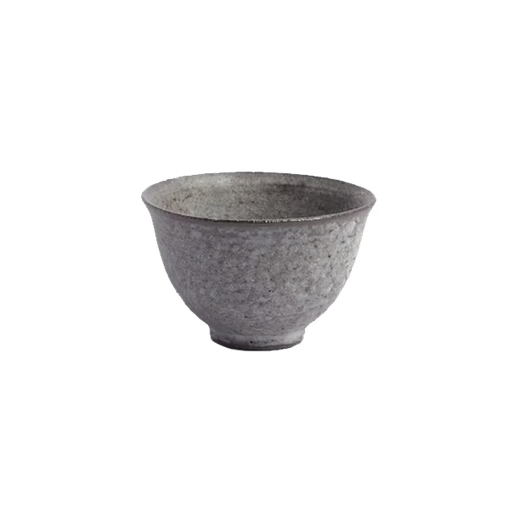
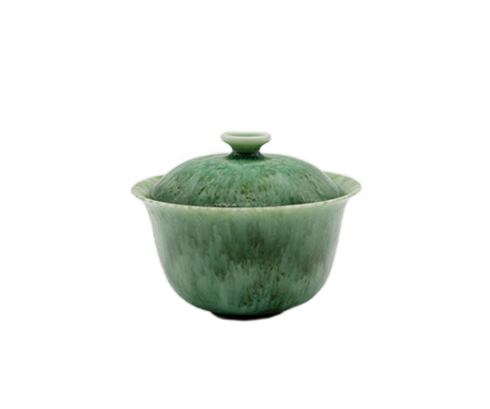
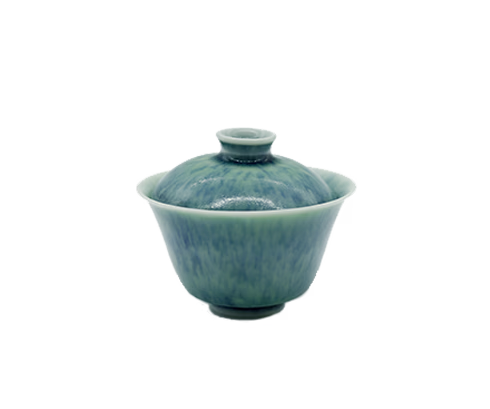
- A porcelain gaiwan, 120 ml
- Tea amount
- 4 to 5 g
- Water
- Filtered water or low TDS spring water
95 to 100°C / 203 to 212°F - Preparation
- Warm the vessel and gently loosen a portion of leaf. Avoid crushing it.
Pour out completely between infusions. Slightly hotter water or a longer steep can bring more body; shorter pours keep the expression lighter. Adjust to the cup you enjoy.
Infusion timings
- 1st infusion
- 15 to 20 seconds
- Following infusions
- Begin with similar timing, then add 5 to 10 seconds as the flavour softens.
Empty the vessel fully between pours and adjust the timing to taste.
Water ratio
Start with 4 to 5 g of tea per 120 ml of water.
Measure the water used in each infusion. Reuse the same leaves and adjust the quantity for a lighter or fuller cup.
Storage
Keep well sealed in a cool, dry place, protected from light, moisture and strong smells. If setting some tea aside, use stable storage conditions and revisit it periodically. Its aroma and texture may develop with time; the pace depends on the leaf and storage.
Tasting notes
Dried fruit, honey and herbs
Aged Wild Gong Mei
Dried dates and honey
A rounded dried date sweetness leads the cup, with honey underneath. The fruit has the mellow character of jujube rather than the bright freshness of a young white tea, giving the opening a warm, generous feel.
Apricot and gentle herbs
Dried apricot brings a softer fruit layer, while quiet herbal notes add depth. Let the liquor cool slightly to explore the way these flavours meet: sweetness remains at the centre, with the herbs lending a mature aromatic character.
Soft wood and autumn leaves
A light woody note and the impression of dry autumn leaves balance the fruit. These softer, earthy tones sit behind the honey, adding texture to the aroma without dominating it.
A substantial, lingering cup
The larger leaf material gives Gong Mei a fuller presence than Silver Needles. Its smooth liquor ranges from deep gold to amber or orange red, depending on the strength of the infusion. A gentle returning sweetness, or hui gan, carries the finish between pours.
← Return to the white tea collectionOrigin & processing
The place behind the leaf
Fuding
Fujian
Northern Fujian · China
Wild Gong Mei from Fuding
This 2017 harvest comes from Fuding in northern Fujian. Huangye Gong Mei, written 荒野贡眉, describes a white tea style associated with less intensively managed gardens and a more natural growing environment. The name describes the cultivation style; it does not mean the bushes are entirely unmanaged.
The richness of mature leaf
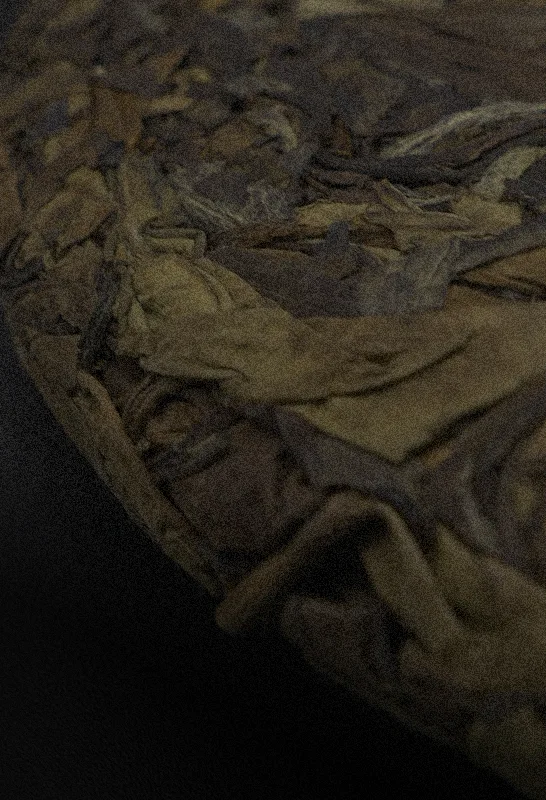
Gong Mei brings together buds, larger leaves and stems. Its rustic appearance contrasts with the uniform buds of Silver Needles: olive, bronze and brown tones sit together in the finished tea. This fuller leaf composition gives the cup a substantial texture and a layered aromatic character.
Withering and drying
After picking, the leaves are carefully spread and allowed to wither. Moisture gradually falls while mild natural oxidation develops aroma and sweetness. The leaves are then dried. White tea does not undergo green tea’s early kill green stage or the deliberate rolling and bruising used in many other tea styles.
Time since 2017
Over years of storage, a white tea’s fresh green edge can soften as deeper sweetness, dried fruit and herbal notes emerge. This tea’s mature expression moves through honey, dried dates and soft wood, retaining a gentle sweetness beneath its darker flavours.
Aging is shaped by storage
The year tells part of the story. Temperature, moisture, packaging and surrounding aromas also influence how the tea develops. Age alone cannot guarantee a particular flavour. Compared with a young White Peony, the emphasis here is on a rounder cup, mature fruit and a longer, warmer finish.
Keeping the tea
Store well sealed in a cool, dry place, away from sunlight and strong smells. Avoid damp conditions and sudden temperature changes. Revisit the tea over time to notice shifts in its aroma, colour and texture.