AncientTree
古树生茶
Gushu Sheng Cha · Ancient tree raw Pu’er · 2025
A moment for tea
Gushu Sheng Cha means “ancient tree raw tea”: gushu describes the older trees, and sheng identifies the raw Pu’er style.
Wildflowers, apricot and wild honey.
A full, silky cup with a cooling, sweet finish.
- Tea
- Ancient Tree · Gushu Sheng Cha
- Type
- Raw Pu’er · Sheng 生普洱
- Origin
- Lincang, Yunnan, China
- Harvest
- 2025
- Age
- Approximately 100 to 300 years
- Format
- Loose leaf
Brewing guide
Begin with short infusions to explore the tea’s full texture without allowing bitterness to dominate.
- Teaware
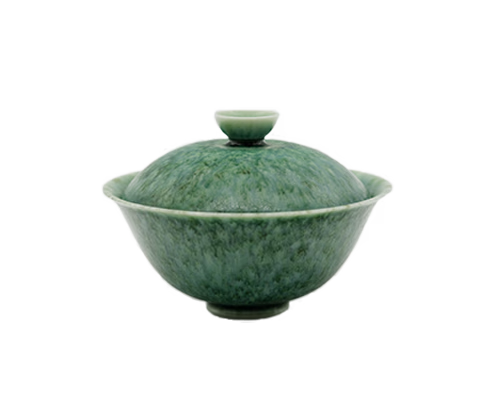
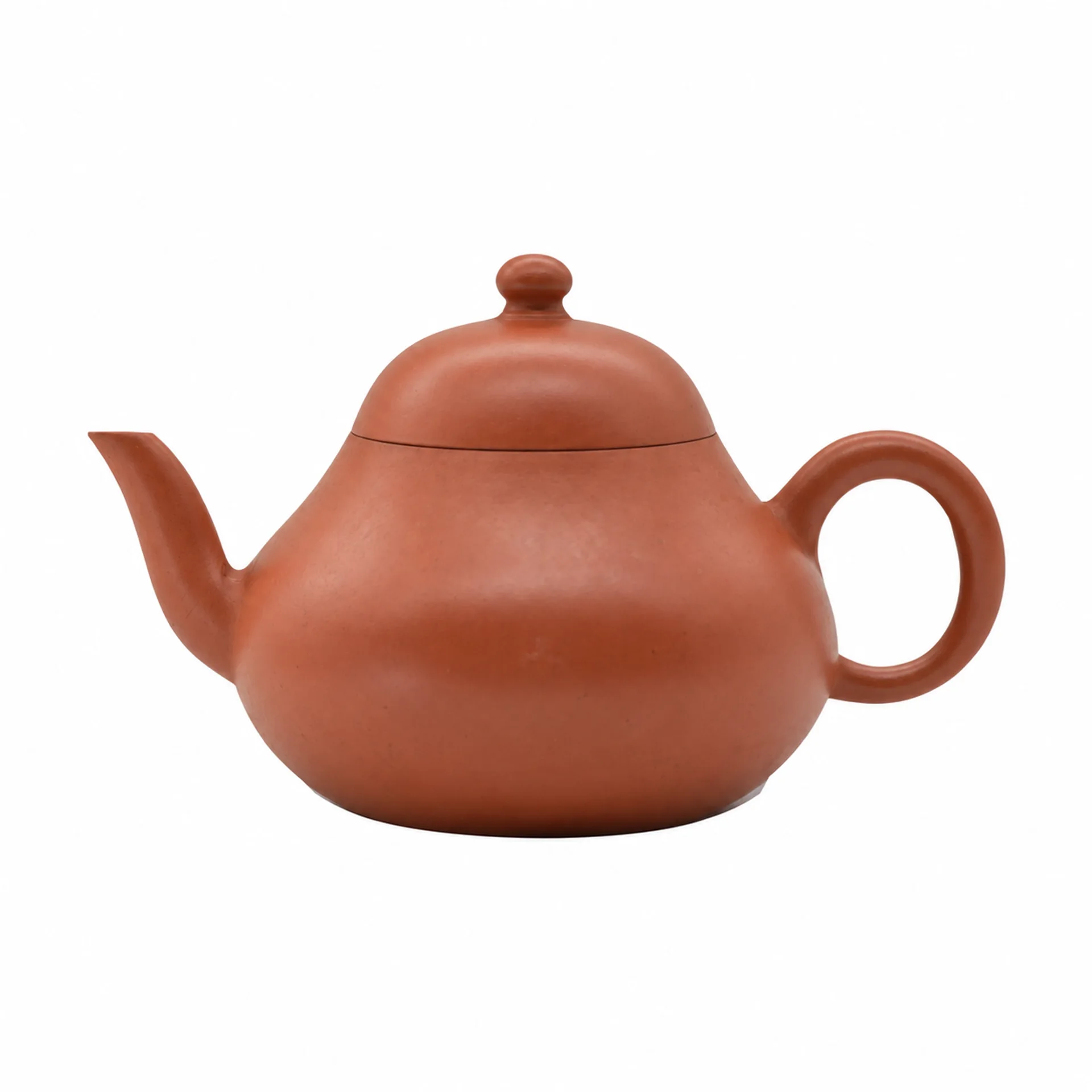
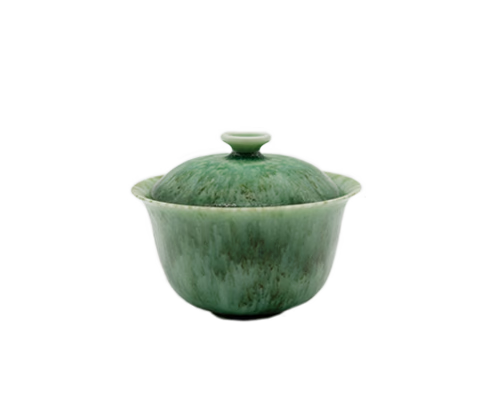
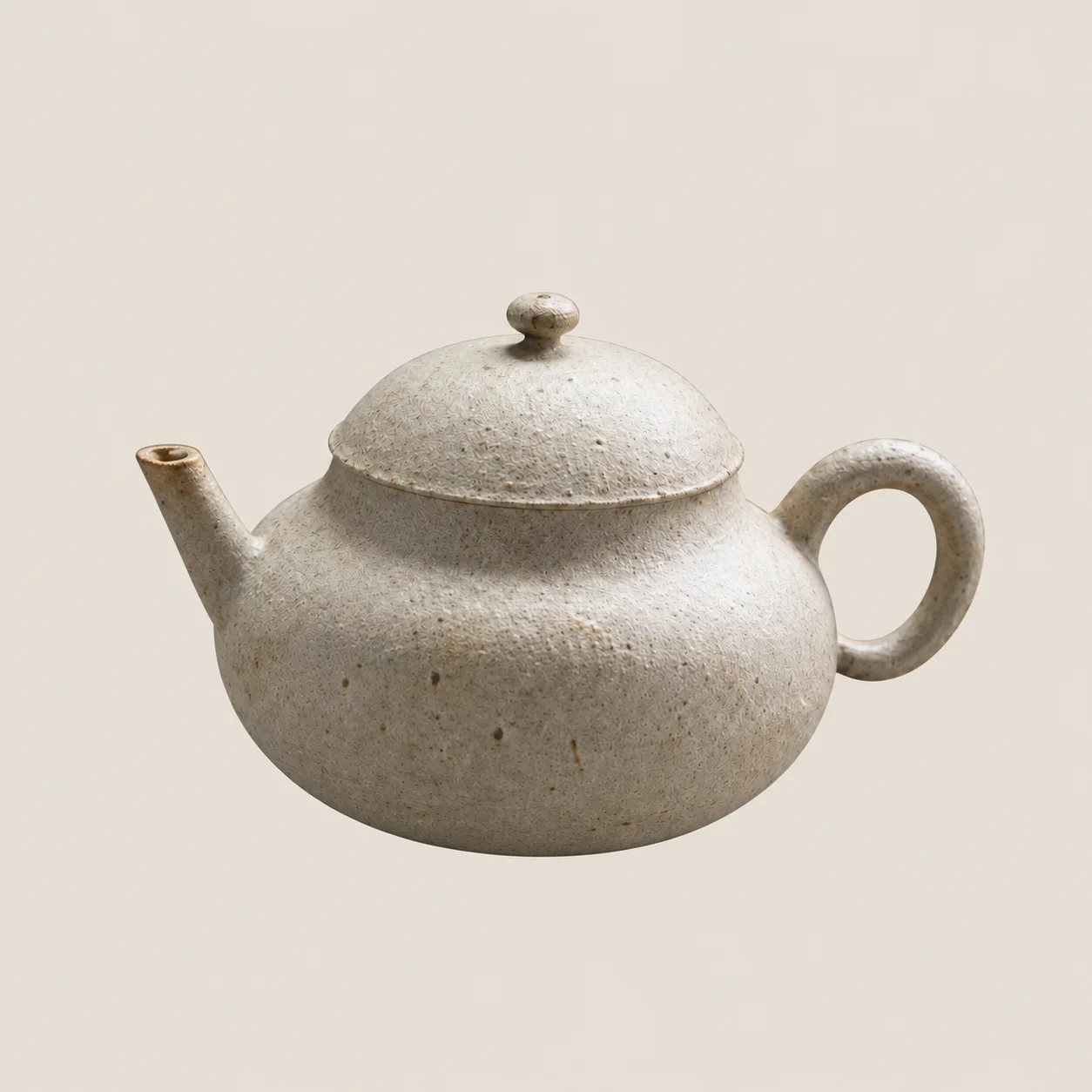
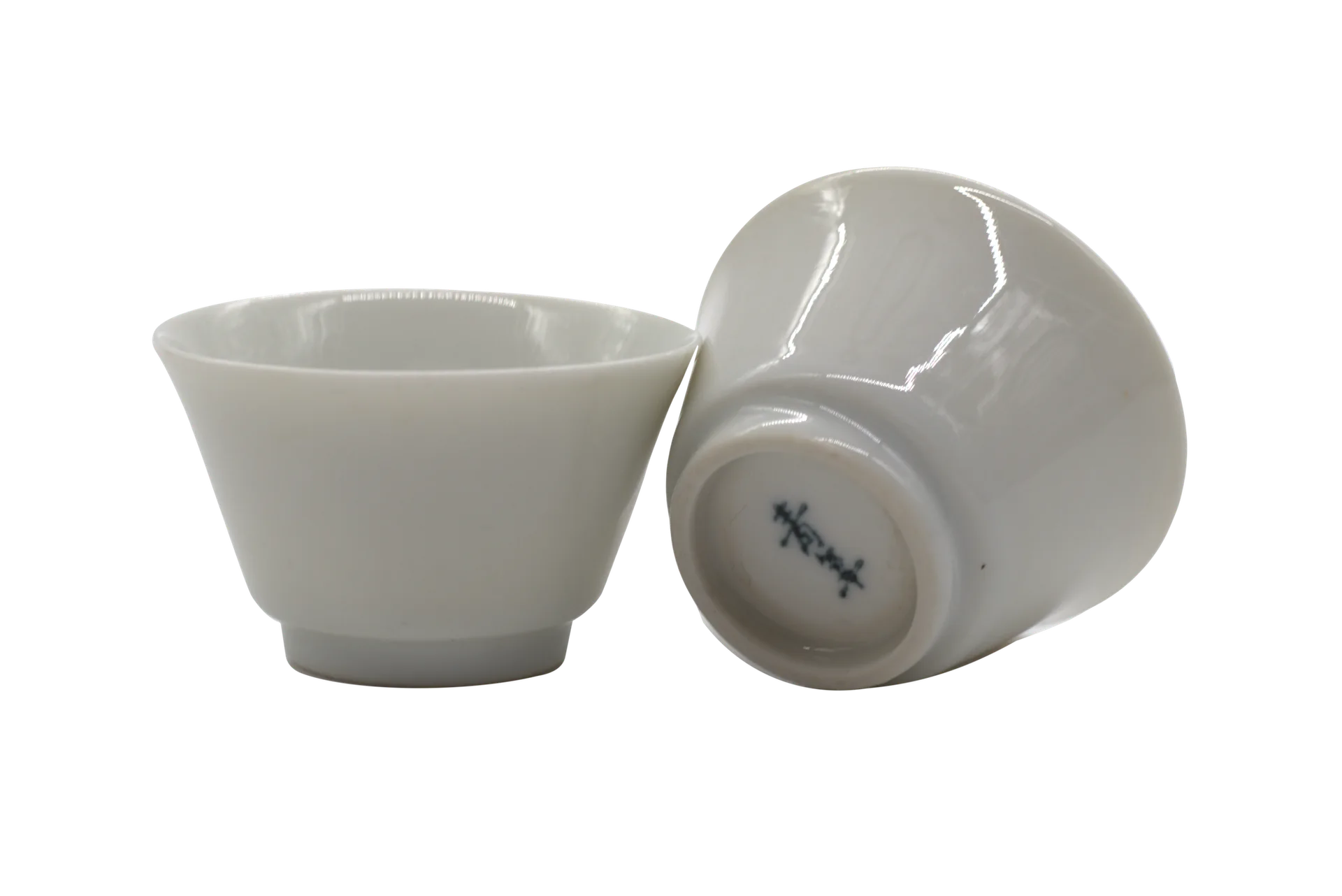
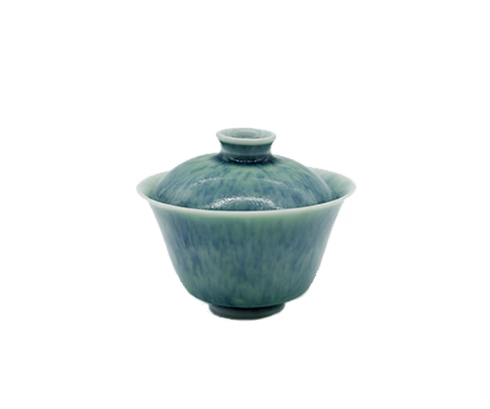
- A porcelain gaiwan or small teapot, 100 to 110 ml
- Tea amount
- 5 to 6 g
- Water
- Filtered water or low TDS spring water
90 to 95°C / 194 to 203°F - Preparation
- Warm the vessel. Rinse briefly for about 5 seconds and discard.
Drain completely between pours. If the cup becomes too strong, shorten the next steep or lower the temperature slightly. Keep brewing while the leaves offer enjoyable flavour; the number of infusions depends on your leaf quantity, vessel and timing.
Infusion timings
- 1st infusion
- 8 to 10 seconds
- 2nd 3rd infusions
- 10 to 15 seconds, adjusting to strength
- Following infusions
- Add around 5 seconds as the flavour softens, extending later rounds to taste
Empty the vessel fully between pours and adjust the timing to taste.
Water ratio
Start with 5 to 6 g of tea per 100 to 110 ml of water.
Measure the water used in each infusion. Reuse the same leaves and adjust the quantity for a lighter or fuller cup.
Storage
Store the tea in clean, stable conditions, protected from direct sunlight, damp, kitchen steam and strong smells. Keep its packaging closed between sessions.
Raw Pu’er develops gradually. Over time, floral brightness may soften into deeper fruit or wood notes, and the colour and texture may change. The direction and pace depend on the leaf, processing and storage conditions, so revisit the tea periodically rather than following a fixed aging timetable.
Tasting notes
Depth, texture and returning sweetness
Ancient Tree
Wildflowers and woodland freshness
The opening aroma brings wildflowers together with a cool camphor impression. Soft wood and fresh moss add a woodland character beneath the floral lift, giving the tea a layered, quietly expressive fragrance.
Apricot, wild honey and mineral stone
As the leaves open, apricot and wild honey sweetness give the cup a deeper centre. A mineral stone impression adds definition, balancing the softer fruit and flowers. The flavours unfold gradually, revealing different relationships between sweetness, freshness and depth from one infusion to the next.
A full, silky texture
Body is central to this tea. The liquor feels viscous and almost oily, spreading across the tongue with a smooth, mouth coating weight. Its substantial texture carries the lighter aromas through the cup and leaves a lingering silkiness after the sip.
Bitterness that gives way to sweetness
A measured bitter edge provides structure before a sweeter impression returns. This returning sweetness, known as hui gan 回甘, accompanies a refreshing, cooling finish. Short steeps help preserve that balance and keep the tea comfortable on the palate.
A session with room to unfold
Give each infusion a little time before pouring the next. Notice the coating texture, the change from grip to sweetness and the cool impression left behind. Later rounds can reveal a gentler expression of the same qualities as the leaves gradually release their flavour.
← Return to the raw Pu’er collectionOrigin & processing
The place behind the leaf
Lincang
Yunnan
Lincang 临沧 · Yunnan · China
Old trees in Lincang
This 2025 raw Pu’er comes from Lincang, Yunnan, using leaves from trees approximately 100 to 300 years old. The region has a long relationship with tea, expressed through its older gardens, local growing traditions and the knowledge passed between generations of tea makers.
What Gushu Sheng Cha means
Gushu 古树 means ancient tree; sheng cha 生茶 means raw tea. Together, the name describes the source of the leaf and the style of processing. Here, the tree age range refers to the living trees, while 2025 identifies the tea’s year.
Why the growing environment matters
Established tea trees develop within their local landscape over many decades. Soil, water, shade, surrounding vegetation and garden care all help shape the conditions in which new shoots grow. Root development depends on the ground beneath the tree, and its age is one part of that wider picture.
Preserving older gardens also preserves a long history of cultivation and the diversity of the tea landscape. Careful harvesting and skilled processing bring that material into the cup. The qualities to look for are balance, aromatic depth, texture and a finish that remains enjoyable through repeated infusions.
From leaf to raw Pu’er
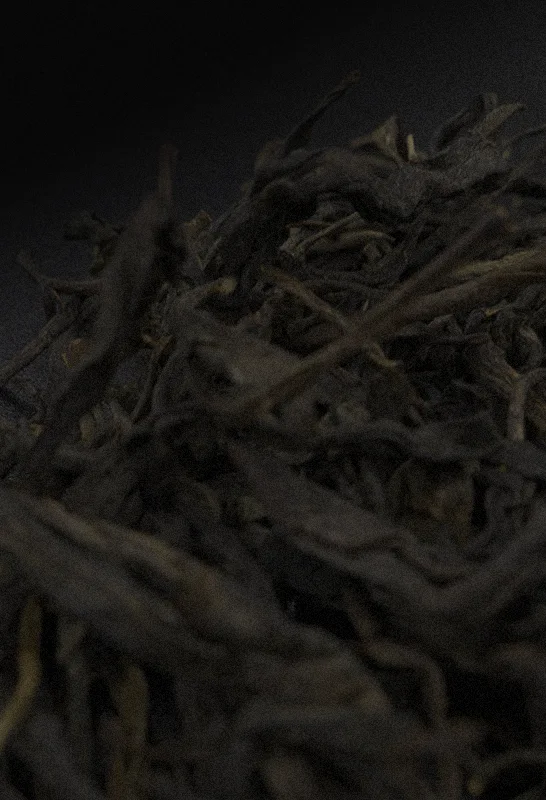
Fresh leaves are allowed to soften before heating slows enzymatic oxidation. Rolling shapes the leaf and releases some of its juices, then sun drying creates the base tea known as maocha. The material is sorted before it is prepared for storage and brewing.
Raw Pu’er develops gradually with time. Ripe Pu’er takes a different path through wet pile fermentation. The sheng style allows the fresher character of the leaf to remain prominent while leaving room for later change.
Brewing endurance
Explore the tea over a series of short infusions, gradually extending the later pours. A rich early cup and a delicate late cup can both be rewarding. Stop when the flavour no longer holds your interest; endurance is best judged in the cup rather than by a fixed number of steeps.
Living with the tea over time
Aging is a gradual change in aroma, flavour, colour and texture. With suitable storage, a raw tea may become rounder and develop deeper fruit and wood impressions as its initial brightness softens. Keep a little aside and return to it over time to discover how this particular tea evolves.