Chang PuTang
昌蒲塘
Ancient tree leaf · Sheng 生茶 · 2023
A moment for tea
Chang Pu Tang is the place name carried by this raw Pu’er, identifying its tea growing origin in Lincang.
Gentle sweetness and a full, silky texture.
A soft, coating cup with very little bitterness.
- Tea
- Chang Pu Tang 昌蒲塘
- Type
- Raw Pu’er · Sheng 生普洱
- Origin
- Chang Pu Tang, Dachaoshan West,
Yun County, Lincang, Yunnan, China - Produced
- 20 April 2023
- Format
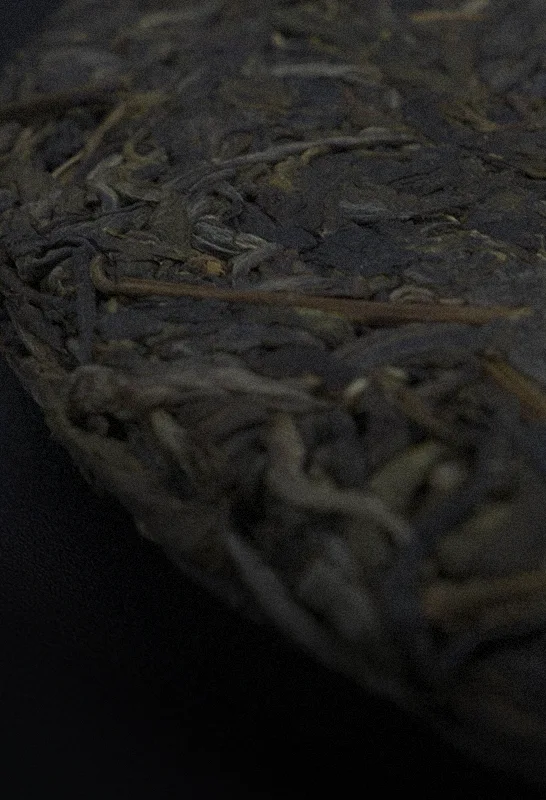
- Compressed cake
Brewing guide
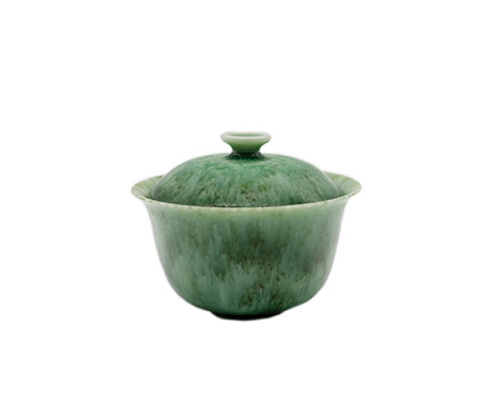
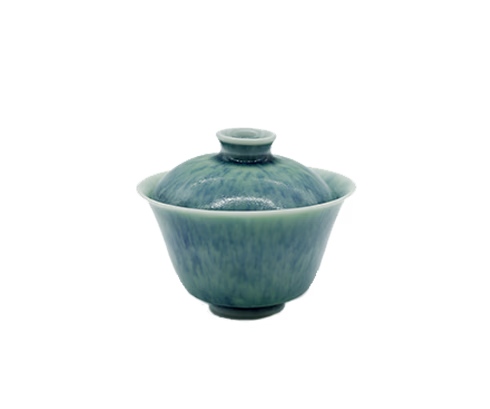
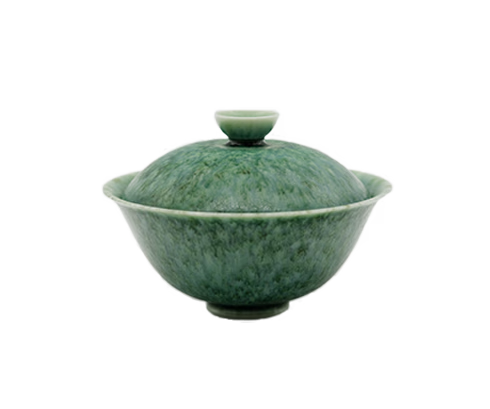
Use short infusions to keep the balance between returning sweetness and the tea’s full texture. A porcelain gaiwan makes it easy to watch the compressed leaves open.
- Teaware
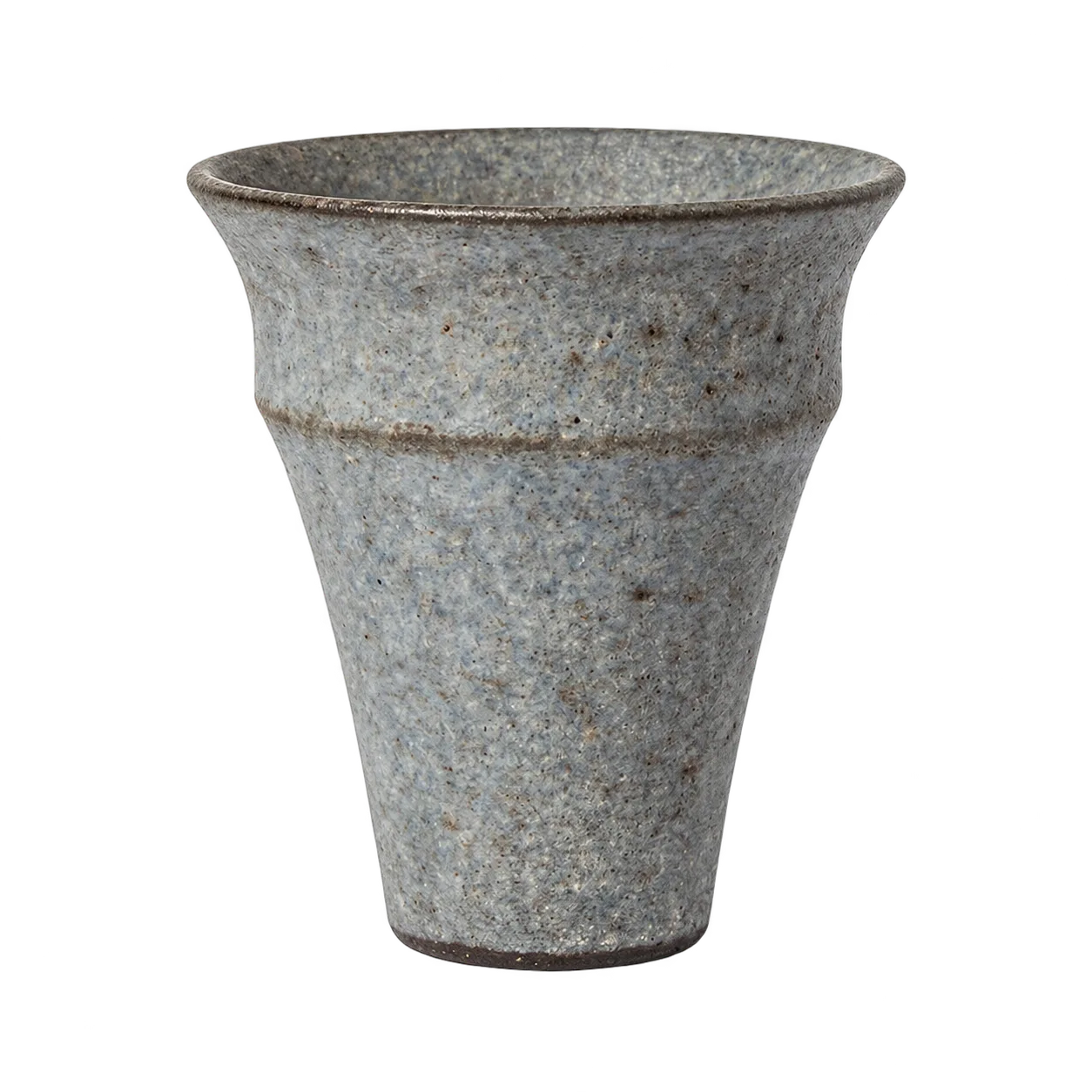
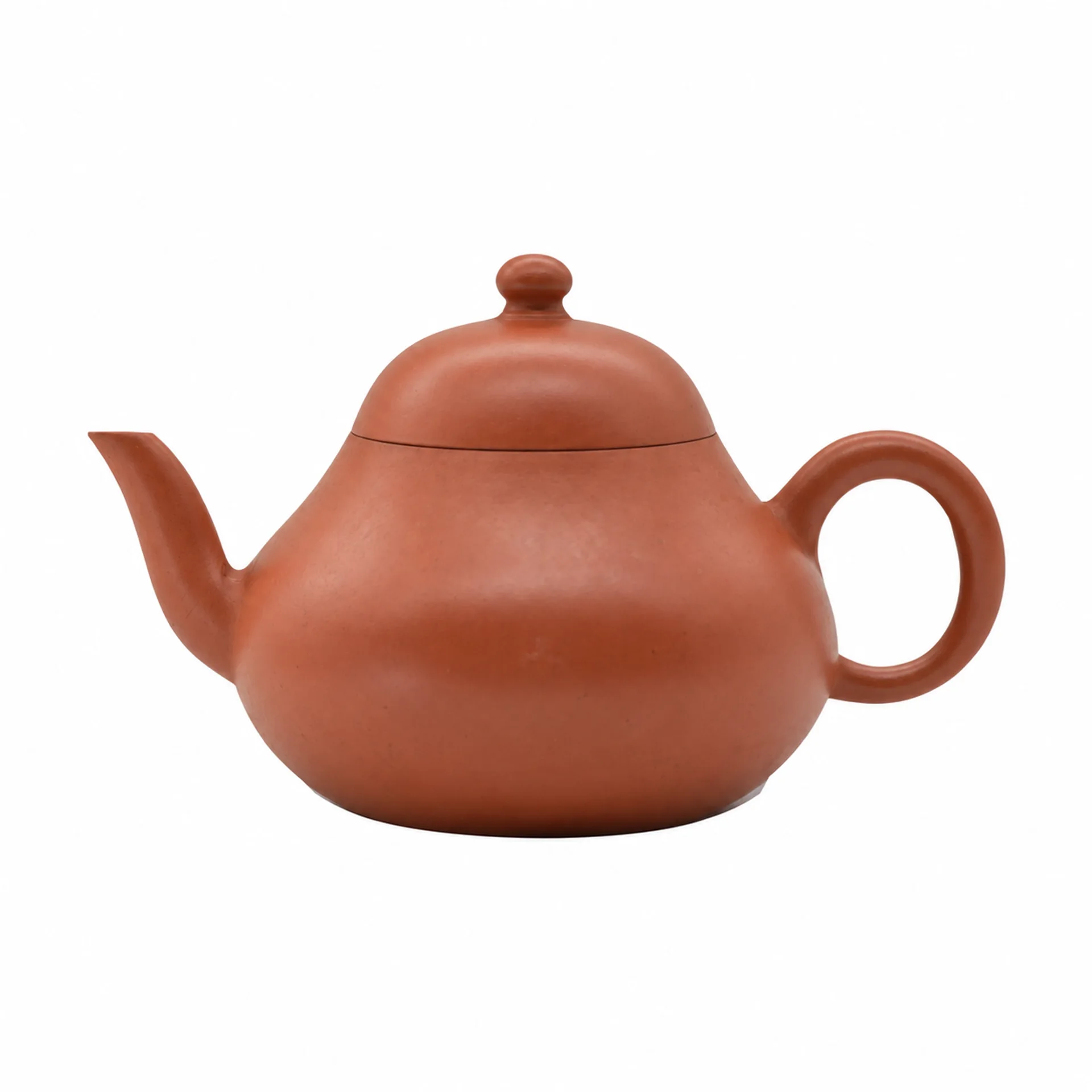
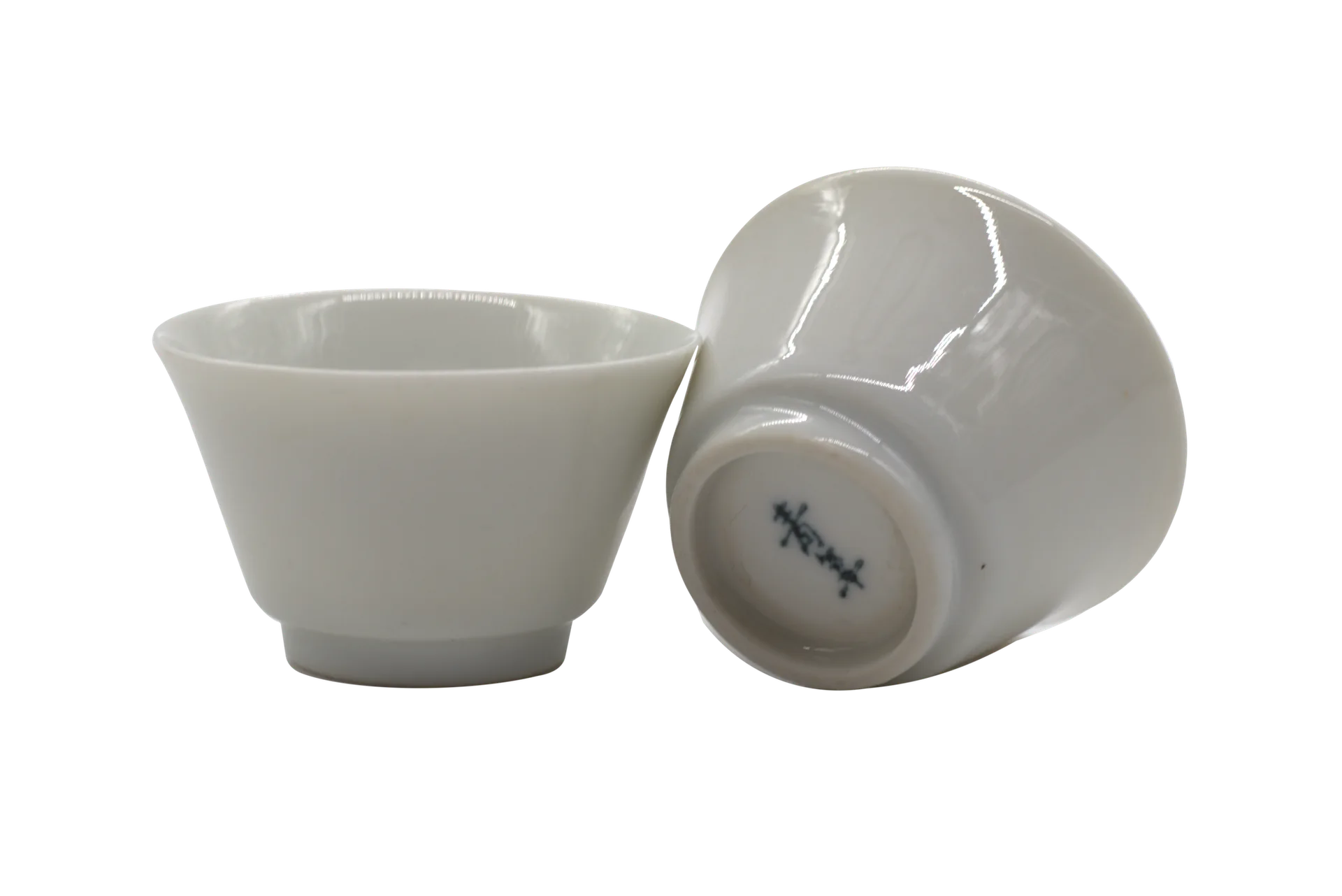
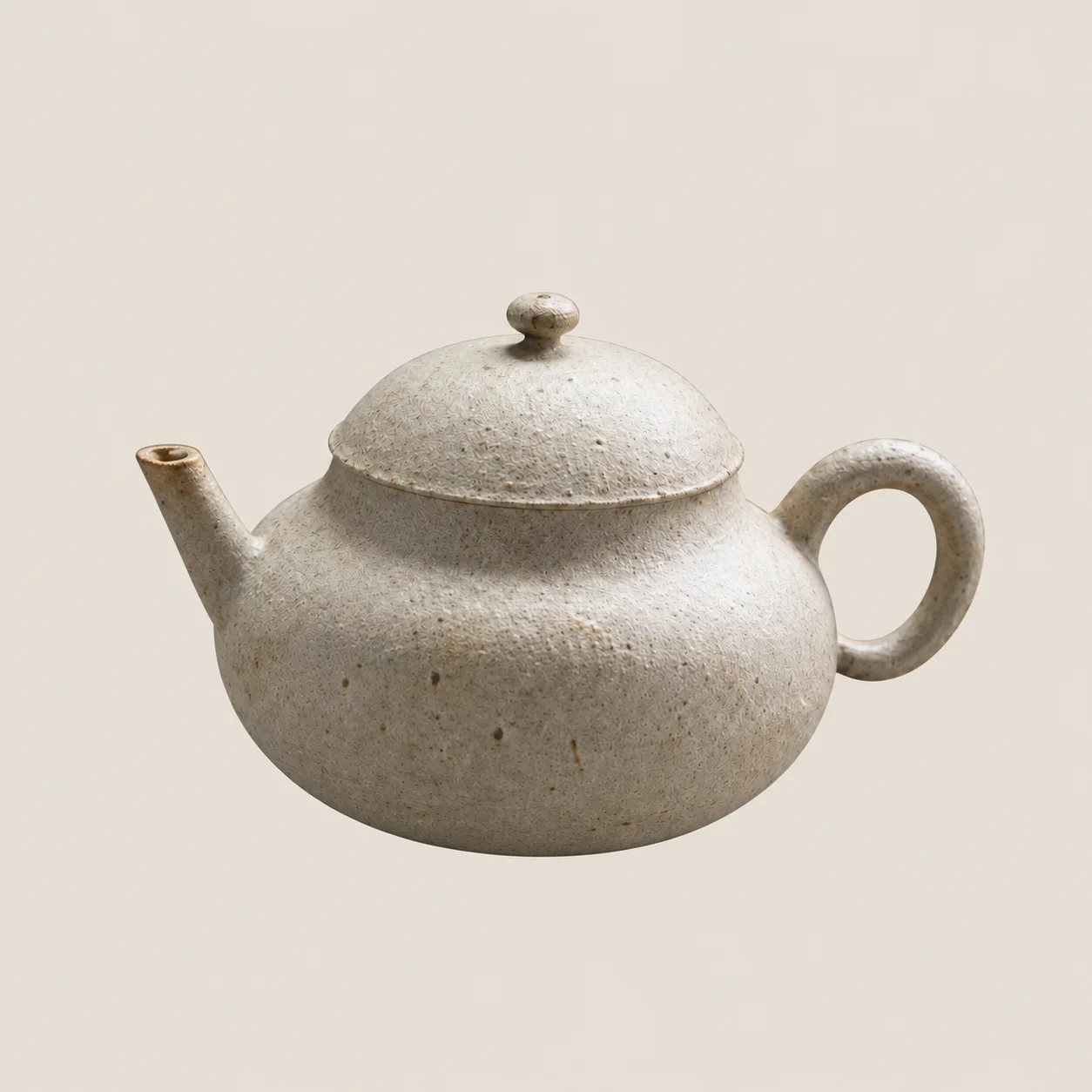
- A gaiwan or small teapot, 100 to 110 ml
- Tea amount
- 5 to 6 g
- Water
- Filtered water or low TDS spring water
Begin at 95°C / 203°F - Preparation
- Warm the vessel. Give the leaves a brief rinse of about 5 seconds, discard, then allow the piece a moment to loosen.
Drain fully between infusions. As the cake opens, the tea may brew more quickly; shorten the next steep if it becomes too strong. For a gentler cup, try 90 to 95°C / 194 to 203°F or use slightly less leaf. Let the sweetness and texture guide the timing.
Infusion timings
- 1st infusion
- 8 to 10 seconds
- 2nd infusion
- 10 to 12 seconds
- 3rd infusion
- 12 to 15 seconds
- Following infusions
- Add around 5 seconds as the flavour softens, adjusting to taste
Empty the vessel fully between pours and adjust the timing to taste.
Water ratio
Start with 5 to 6 g of tea per 100 to 110 ml of water.
Measure the water used in each infusion. Reuse the same leaves and adjust the quantity for a lighter or fuller cup.
Storage
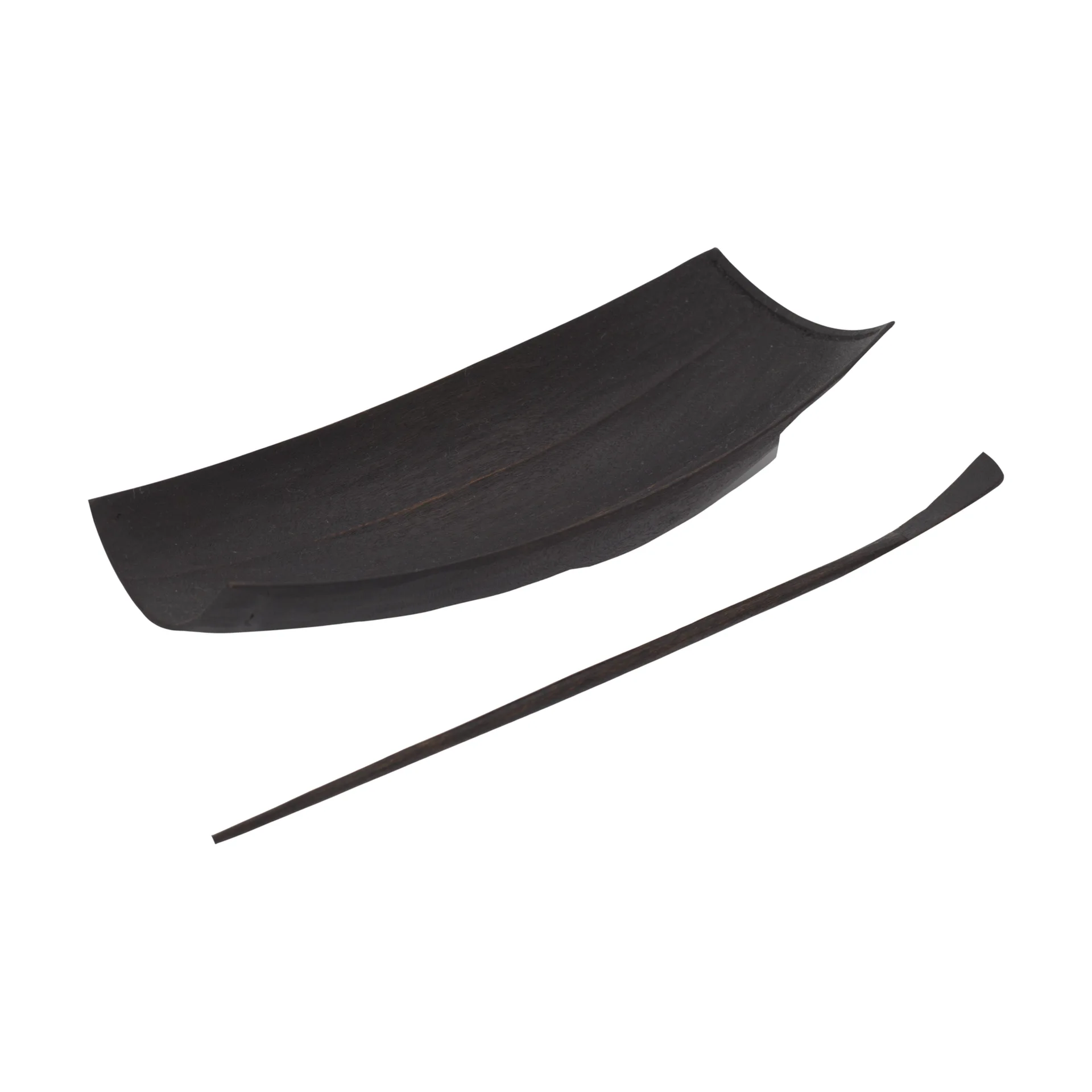
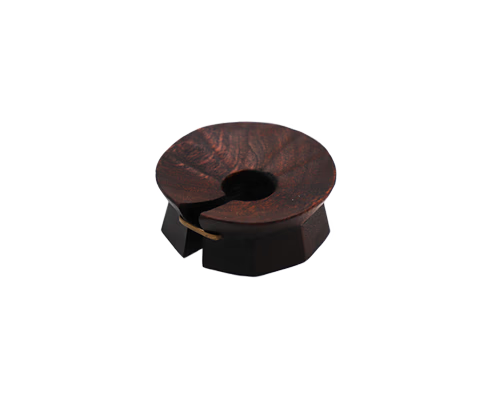
Work gently from the edge of the cake with a tea pick, separating its layers rather than crushing the leaves. Keep your free hand clear of the tool’s path.
Store in a clean, dry, well ventilated place, protected from sunlight, damp and strong smells. Keep the cake wrapped and away from kitchen steam or scented products. Raw Pu’er changes gradually in storage, with the pace and character of that change depending on its surroundings.
Tasting notes
Texture and returning sweetness
Chang Pu Tang
A gentle opening
Chang Pu Tang begins softly. Bitterness and astringency are very light, fading quickly as sweetness comes forward. The transition is an important part of its character: the first impression gives way to a sweeter, more comfortable feeling across the palate.
A full, silky body
The tea has a substantial presence in the mouth, with a smooth, flowing texture. Its liquor feels thick and softly viscous, spreading across the tongue in an even coating. Fullness and softness sit together, giving the cup depth without a harsh or drying edge.
Sweetness after the sip
The sweetness follows the opening taste and remains as the initial grip recedes. Take a moment between cups to notice that change. This returning sweetness, often called hui gan 回甘, is best appreciated alongside the tea’s lingering, silky mouthfeel.
Following the leaves
Brief infusions bring the balance into focus. As the compressed leaves separate, adjust the timing to preserve their gentle sweetness and rounded texture. A slower pour or longer steep can draw out more strength, so taste each round before extending the next.
← Return to the raw Pu’er collectionOrigin & processing
The place behind the leaf
Dachaoshan
Lincang, Yunnan
Chang Pu Tang · Dachaoshan West · Yun County
Lincang · Yunnan · China
A small tea area in the mountains
Chang Pu Tang belongs to the Dachaoshan West area of Yun County, within Lincang in Yunnan. The local village name is also written 菖蒲塘. This is a landscape of tea growing slopes near the Lancang River, where older tea gardens form part of an enduring agricultural tradition.
Tea, village life and the Lancang River
Dachaoshan has a long history of tea cultivation. During the Ming and Qing periods, its tea reached wider markets through the region’s tea trade. Tea making continues to connect the area’s villages, with spring picking, local factories and tea gatherings forming part of the annual rhythm.
Chang Pu Tang is known for its surviving ancient tea trees. These older gardens give the area a distinct place within Lincang’s tea landscape, alongside the everyday work of tending, harvesting and processing the leaf. This cake is made from ancient tree material selected from the Chang Pu Tang tea area.
The large leaf foundation
The starting material is Yunnan large leaf tea processed into sun dried maocha. Large leaf describes the tea plant material; it does not mean that every leaf in the finished cake is the same size. Keeping the leaf as intact as possible helps it open gradually during repeated infusions.
How raw Pu’er is made
After picking, the fresh leaf is allowed to soften before heating slows enzymatic oxidation. Rolling shapes the leaves and releases some of their juices, then sun drying produces the loose maocha. Steam softens the dry tea for pressing into a cake, which is dried again before wrapping.
Sheng 生 is the raw style of Pu’er. Its character continues to develop gradually with storage, shaped by the leaf, processing and conditions around it. Ripe Pu’er follows a different route, using a wet pile fermentation stage before the tea is sold.
A cake to return to
Chang Pu Tang offers a way to explore raw Pu’er through texture: gentle grip, a full coating sensation and sweetness that follows naturally. Brew a small piece at a time, leave space between infusions and notice how the feel of the tea changes as the leaves open.