GoldenBud
金芽
Pure bud · Sheng 生茶 · 2025
A moment for tea
Golden Bud, or Jin Ya, names the tea’s bud focused leaf material and its golden appearance.
Orchid, white honey and fresh sugarcane.
A soft, floral cup that opens into peach and gentle grain sweetness.
- Tea
- Golden Bud 金芽
- Type
- Raw Pu’er · Sheng 生普洱
- Origin
- Lincang, Yunnan, China
- Harvest
- 2025
- Format
- Loose leaf
Brewing guide
Start gently to preserve the floral lift and keep the sweetness clear. These timings are a starting point; let the strength of each cup guide the next.
- Teaware
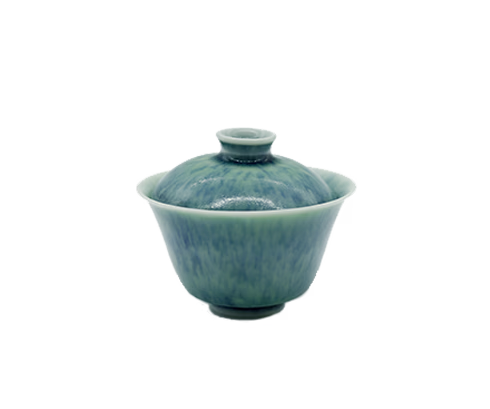
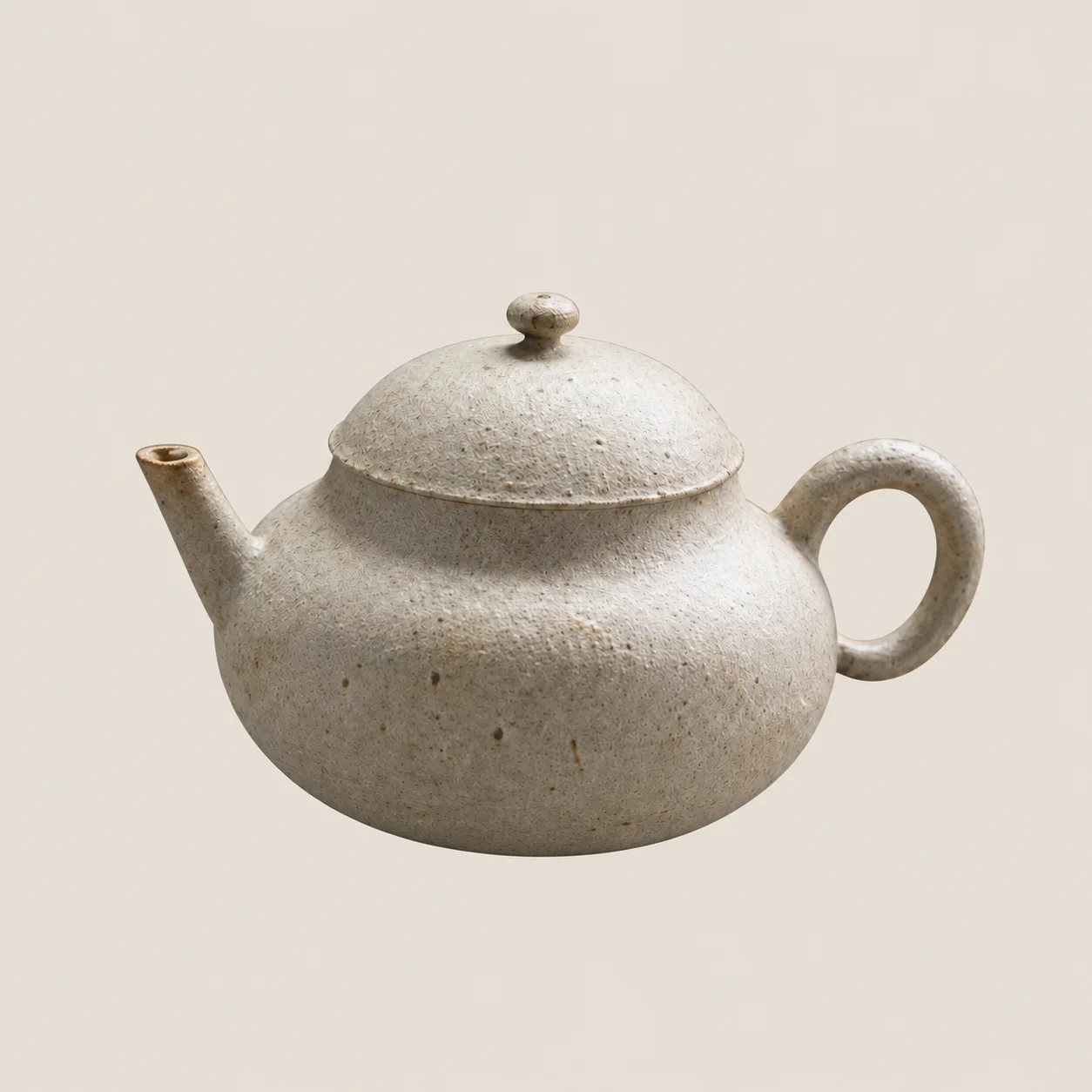
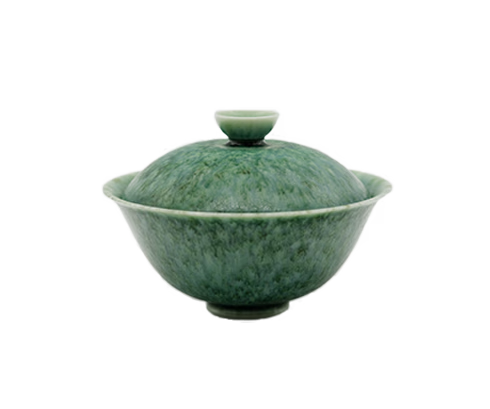
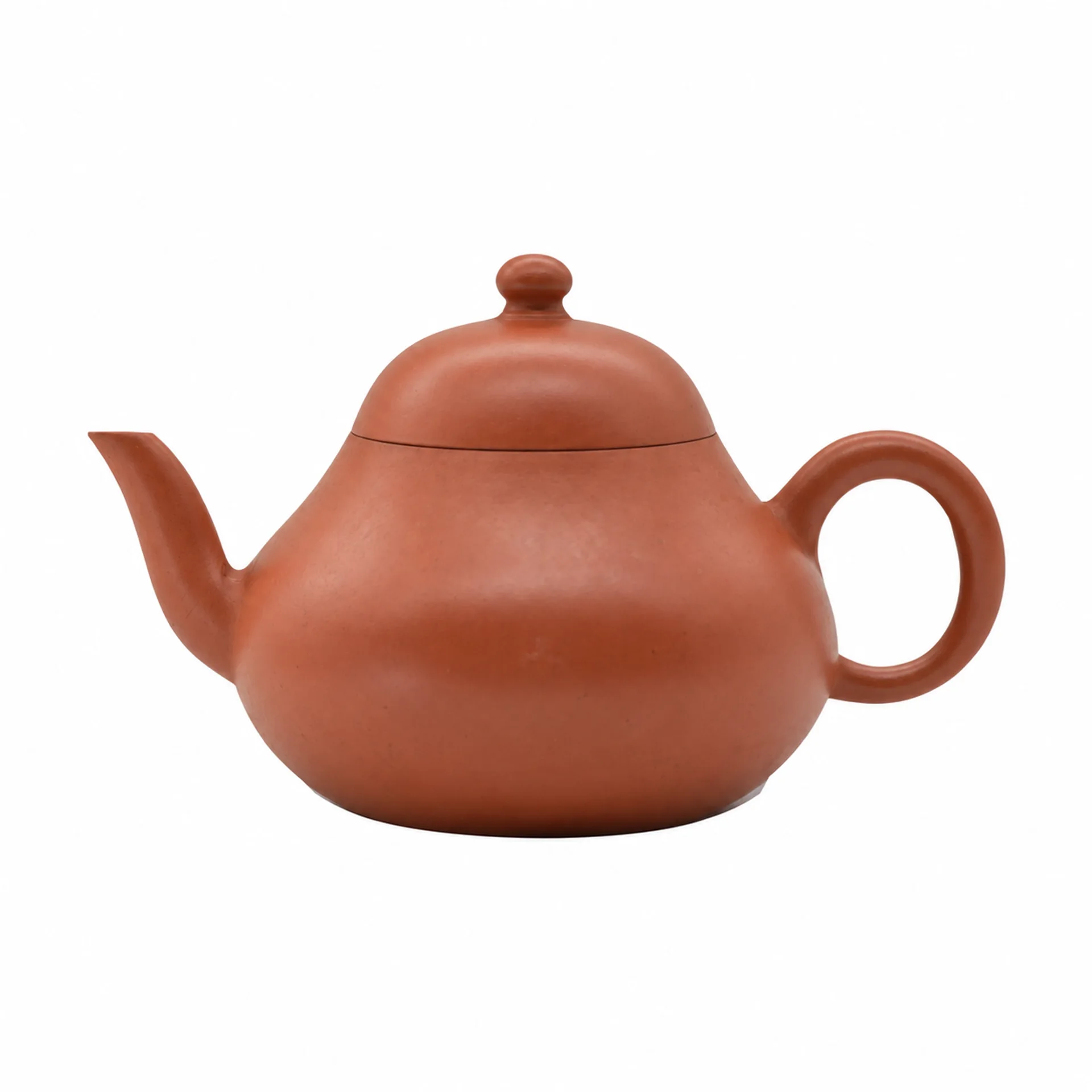
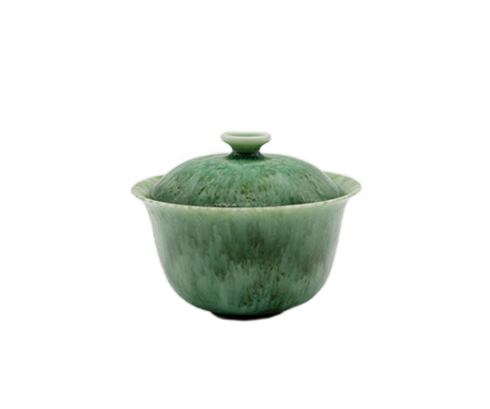
- A porcelain gaiwan or small teapot, 100 to 110 ml
- Tea amount
- 5 g
- Water
- Filtered water or low TDS spring water
90 to 95°C / 194 to 203°F - Preparation
- Warm the vessel. Give the buds a brief rinse of about 3 to 5 seconds and discard.
Drain fully after each infusion. If the cup develops too much grip, shorten the next steep or use water towards the cooler end of the range. Continue while the buds give a clear, enjoyable flavour.
Infusion timings
- 1st infusion
- 8 to 10 seconds
- 2nd 3rd infusions
- 10 to 15 seconds, adjusting to strength
- 4th infusion onward
- Add around 5 seconds as the flavour softens; lengthen the final steeps to taste
Empty the vessel fully between pours and adjust the timing to taste.
Water ratio
Start with 5 g of tea per 100 to 110 ml of water.
Measure the water used in each infusion. Reuse the same leaves and adjust the quantity for a lighter or fuller cup.
Storage
Keep the tea in clean, dry conditions, protected from direct sunlight, kitchen steam and strong smells. Close the packaging between sessions and handle the delicate buds gently.
Raw Pu’er changes gradually with storage. Its development depends on the original leaf, processing and surroundings; careful storage helps preserve a clean aroma as the tea settles.
Tasting notes
A cup that unfolds
Golden Bud
Before the first pour
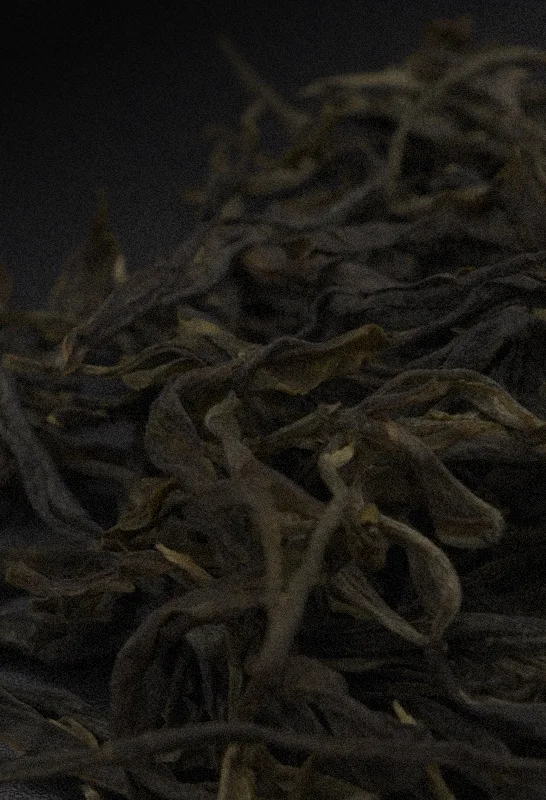
The dry buds carry a sweet, gently fruity fragrance: dried apricot, clean hay and the delicate sweetness of white honey. Warming the leaf in a gaiwan offers a quiet introduction to the brighter floral character that follows.
The opening infusions
The first cups are pale yellow, with a lively floral aroma. Wild orchid and elderflower lead, joined by the clean sweetness of fresh sugarcane. The texture is soft and silky, giving the tea a gentle presence even when its fragrance is expressive.
Look for this floral emphasis in the first three infusions. Short steeps help hold the balance between aroma, sweetness and the light grip of young raw tea.
Fruit and honey at the centre
Through the middle of the session, the flowers soften into ripe peach and white grape. White honey sweetness becomes fuller, with a gentle grain or rice like impression beneath it. The cup develops a more rounded, lightly syrupy feel as these flavours come together.
This is often the character to explore around the fourth to sixth infusions. Allow enough time for the sweeter core to emerge, while keeping the liquor clear and comfortable on the palate.
A lighter, cooling finish
In later rounds the body becomes lighter, leaving a crisp, cooling sensation and returning sweetness. The sweet aftertaste, known as hui gan 回甘, continues after the sip. Pause between cups to notice how the finish develops as the tea fades.
The progression changes with water, leaf quantity and steeping time. Follow the tea as it opens, giving each infusion room to show a different balance of flowers, fruit and sweetness.
← Return to the raw Pu’er collectionOrigin & processing
The place behind the leaf
Lincang
Yunnan
Lincang 临沧 · Yunnan · China
The Lincang tea landscape
Golden Bud comes from Lincang in Yunnan, a region with a rich tea growing landscape of mountains, mist and established tea gardens. It is also home to Mengku and Bingdao, two well known names within the wider region. Each local growing area has its own conditions and traditions, contributing to Lincang’s diversity of tea.
For this 2025 selection, the focus is the young bud: a fine, tender material that gives the tea its delicate appearance and expressive character. Its floral opening, gentle sweetness and soft texture make it a graceful introduction to raw Pu’er.
The character of the bud
A tea bud is the unopened growing tip of the shoot. Selecting this material gives Golden Bud a fine, consistent leaf style. The tiny hairs visible on young buds are part of the plant’s natural growth; some may remain visible in the brewed liquor.
Understanding sweetness and structure
Amino acids, including theanine, contribute to tea’s savoury character, while catechins and caffeine help shape bitterness and grip. Their balance varies with the plant, season and processing. Bud selection alone does not establish a tea’s caffeine level or guarantee low bitterness.
Golden Bud’s appeal lies in the balance experienced in the cup: floral lift, fruit and honey like sweetness supported by a soft texture. Gentle brewing allows those qualities to remain distinct.
From fresh buds to raw Pu’er
After picking, the buds are allowed to soften before heating slows enzymatic oxidation. Gentle rolling shapes the material, and sun drying creates the loose base tea known as maocha. Sorting completes the selection before the tea is prepared for storage and brewing.
This is the sheng, or raw, style of Pu’er. It develops gradually over time through storage, while ripe Pu’er undergoes a separate wet pile fermentation process. Golden Bud retains the brighter, more delicate character associated with a young raw tea.
Taking time with the cup
Enjoy Golden Bud as a slow morning or daytime session. Smell the warmed leaf, taste the first floral cups and leave a little space between pours. The pleasure is in following how its sweetness, texture and finish change from one infusion to the next.