Jingdezhen, Jiangxi
History
Jingdezhen — A Heritage of Porcelain
The Porcelain Capital
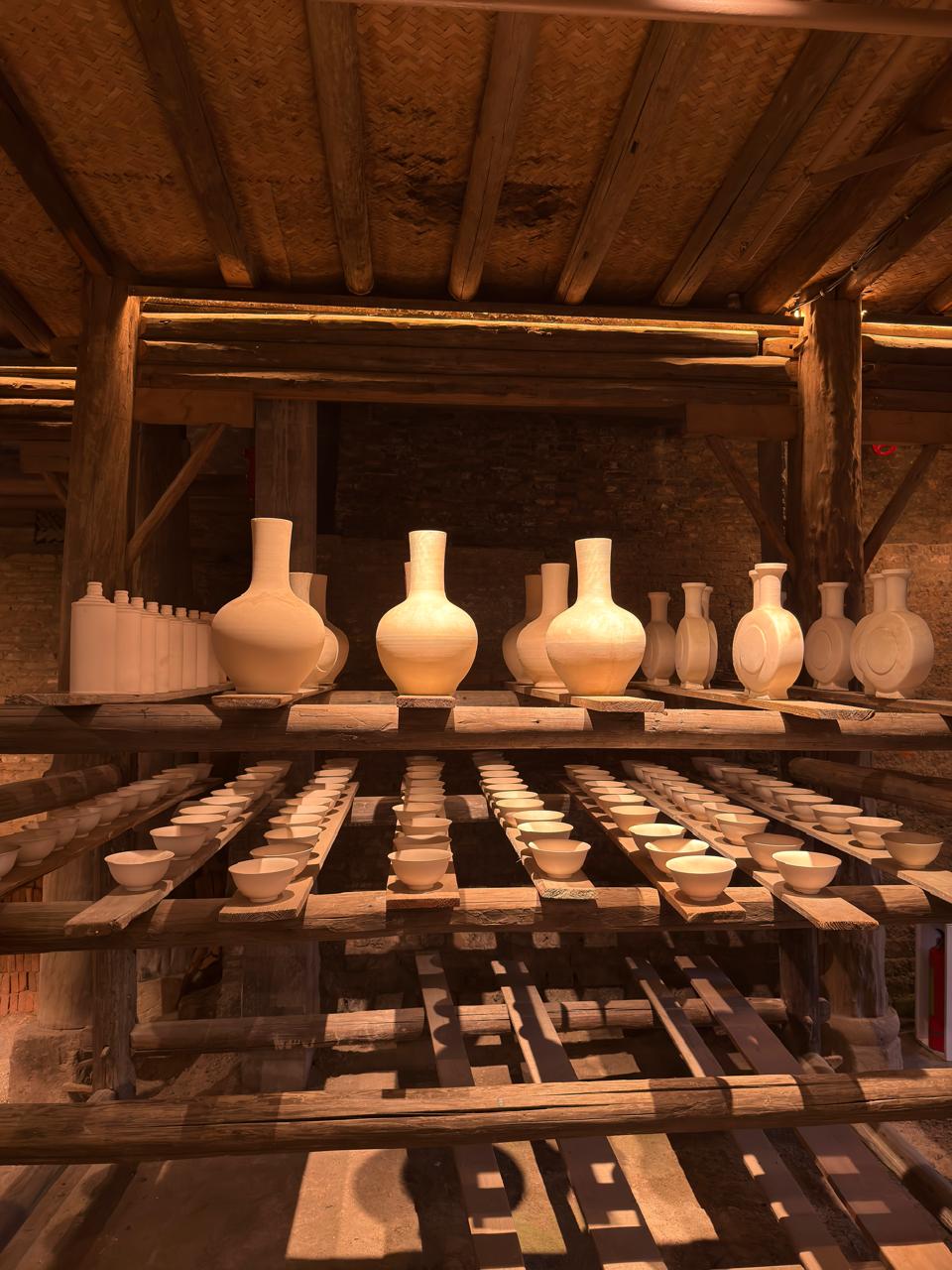
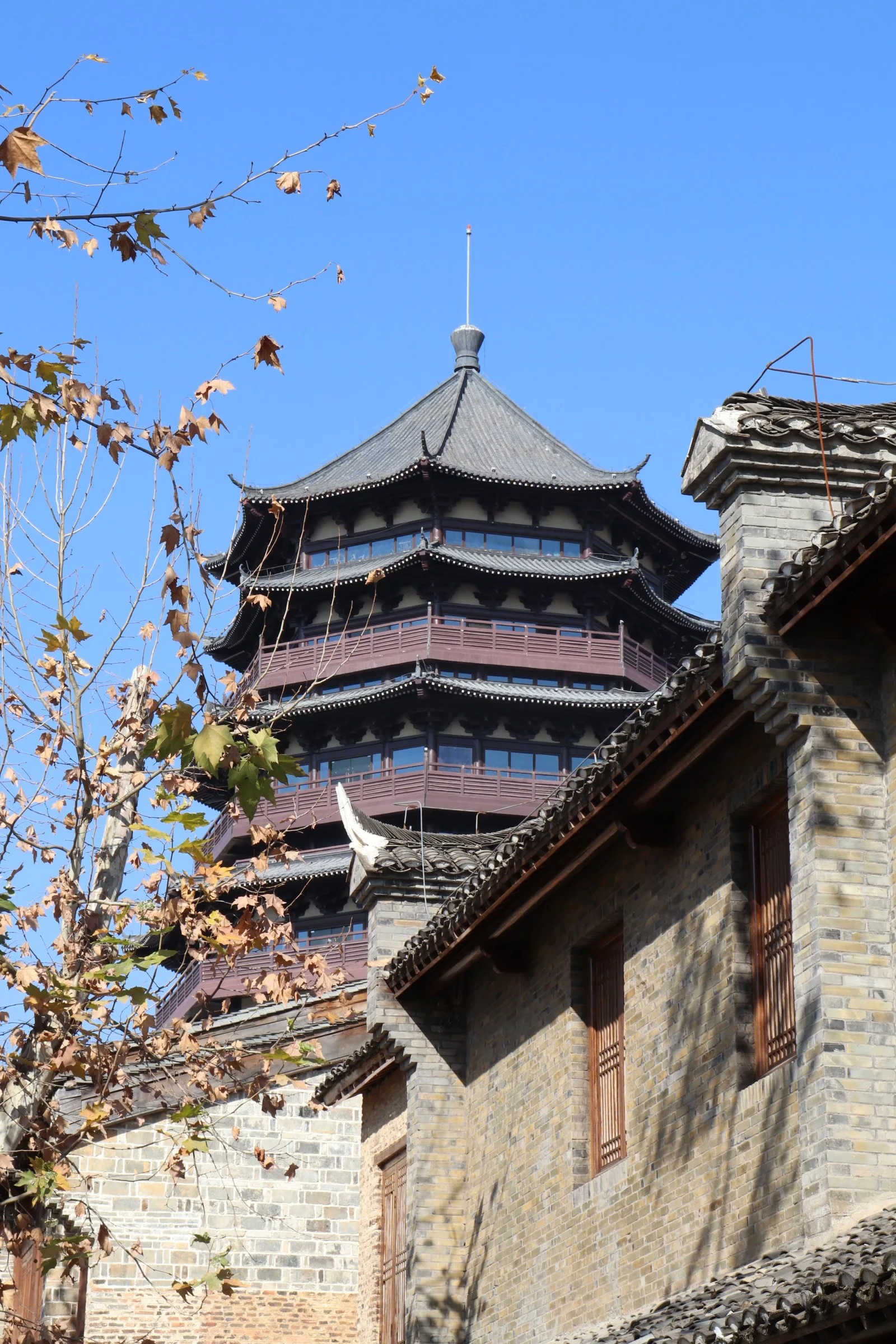
Located in northeastern Jiangxi province, Jingdezhen has been shaped by more than a thousand years of ceramic craftsmanship. Known as China’s “Porcelain Capital,” the town received its present name in 1004, during the Song dynasty’s Jingde reign. Over the centuries, it grew into a centre of ceramic production whose influence reached far beyond China, connecting generations of makers with collectors, merchants and everyday households.
Clay, landscape and kilns
Its development was closely tied to the surrounding landscape. Deposits of kaolin clay and porcelain stone provided essential raw materials, nearby forests supplied fuel for the kilns, and waterways carried materials and finished ceramics between workshops and trading centres. Through careful preparation and high-temperature firing, these materials could become porcelain prized for its whiteness, strength and translucency—a delicate appearance achieved through demanding technical knowledge.
From qingbai to blue-and-white
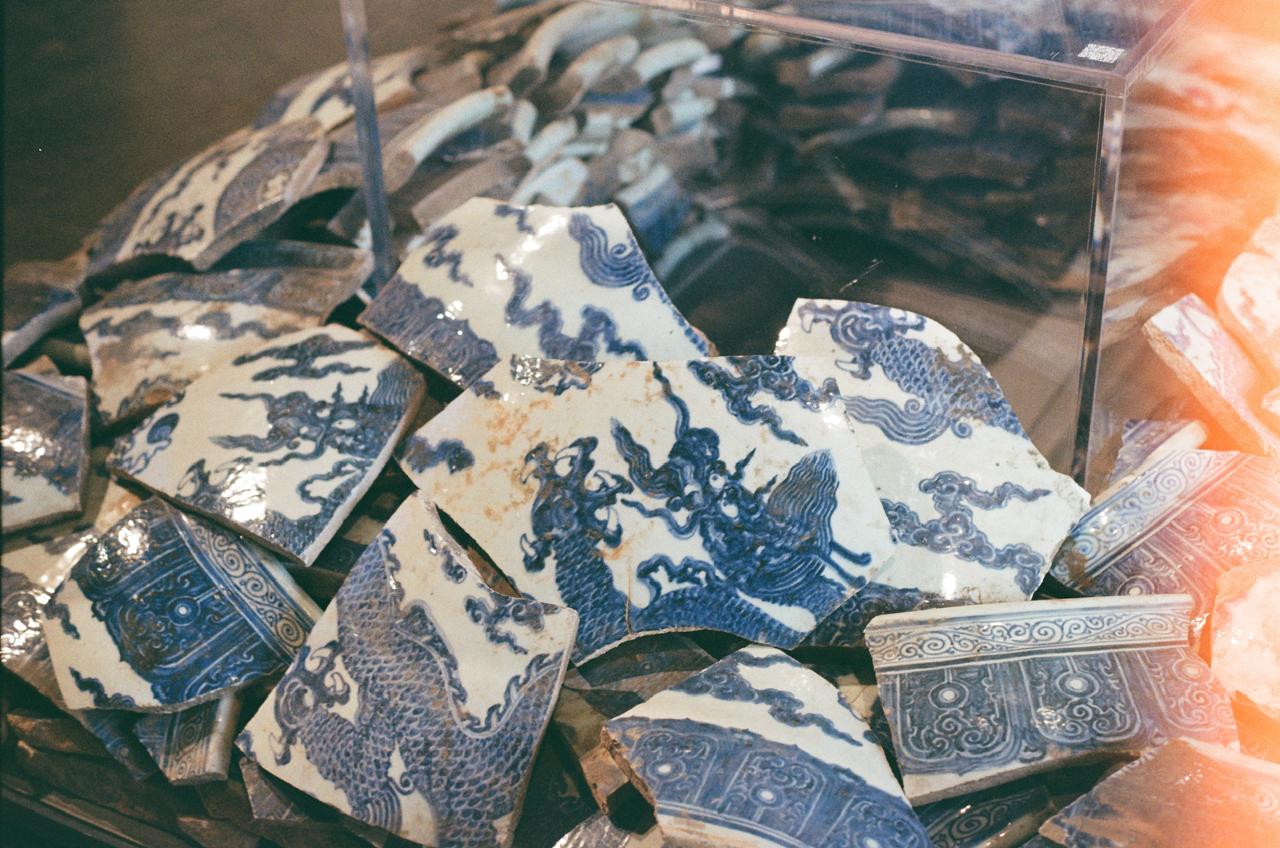
During the Song dynasty, Jingdezhen became known for qingbai (青白), or “bluish-white” porcelain, distinguished by its pale glaze and finely carved decoration. From the fourteenth century, its celebrated blue-and-white porcelain brought a different expression: cobalt-painted designs beneath a transparent glaze. Under the Ming and Qing dynasties, imperial kilns produced vessels for the court, while other workshops supplied domestic and overseas markets. These ceramics travelled across continents, influencing decorative traditions and becoming part of a wider history of cultural exchange.
A tradition of shared expertise
Behind this history lies a tradition of shared expertise. Porcelain production developed around specialised skills, with different craftspeople responsible for preparing materials, forming vessels, refining shapes, decorating, glazing and firing. A single piece could pass through many hands before it was complete. This network of knowledge remains visible in Jingdezhen’s workshops, where potters, decorators and kiln specialists continue to contribute their individual skills to the making process.
People & practice
Artists we have worked with in Jingdezhen
Yizhi
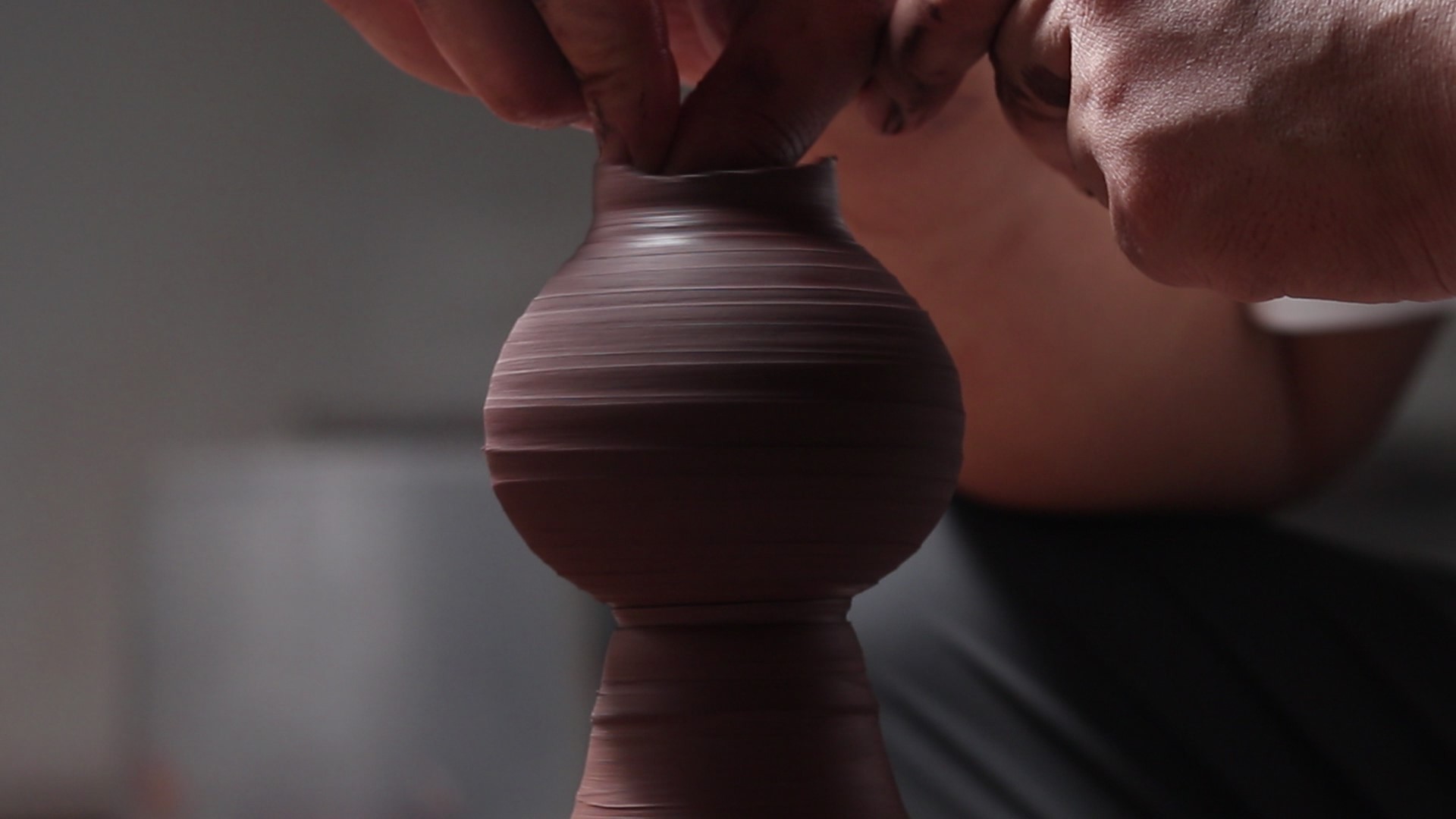
Shi Yingzhi, known as Yizhi, makes teapots and tea utensils in Jingdezhen. His practice brings together restrained forms, textured clay and an attention to everyday use. The relationship between the body, handle, spout and lid gives each vessel its balance and character.
Our collection includes his Fissure, Genie and Side Handle teapots, offering different expressions of his approach to form and material.
Simin
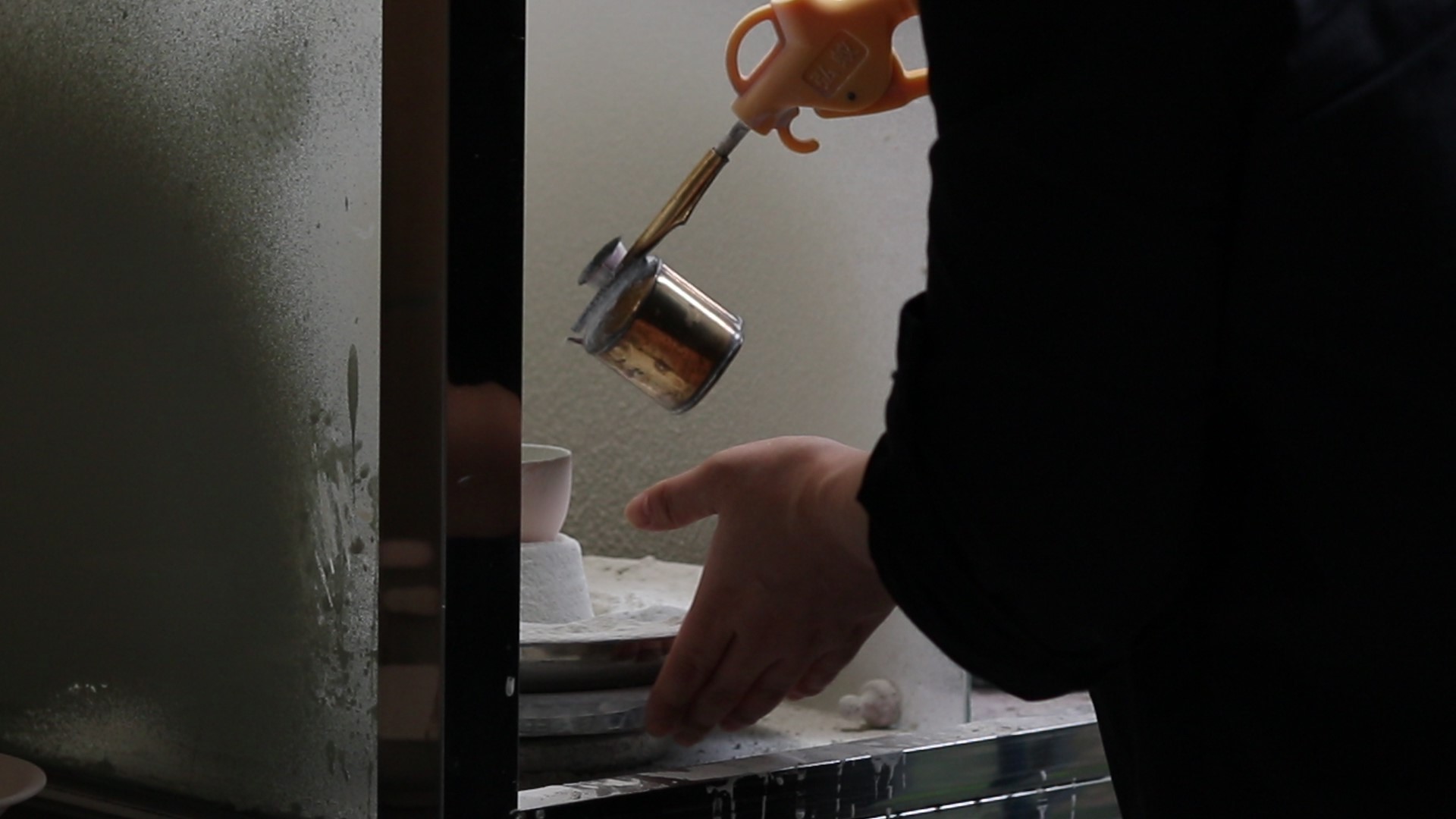
Based in Jingdezhen, Simin works with porcelain and plant ash glazes. Her practice explores the relationship between ash, minerals, heat and time, allowing variations in firing to become part of each piece.
The Azure, Emerald and Jade gaiwans bring her attention to glaze, proportion and daily tea into our collection.
Zheng Bixin
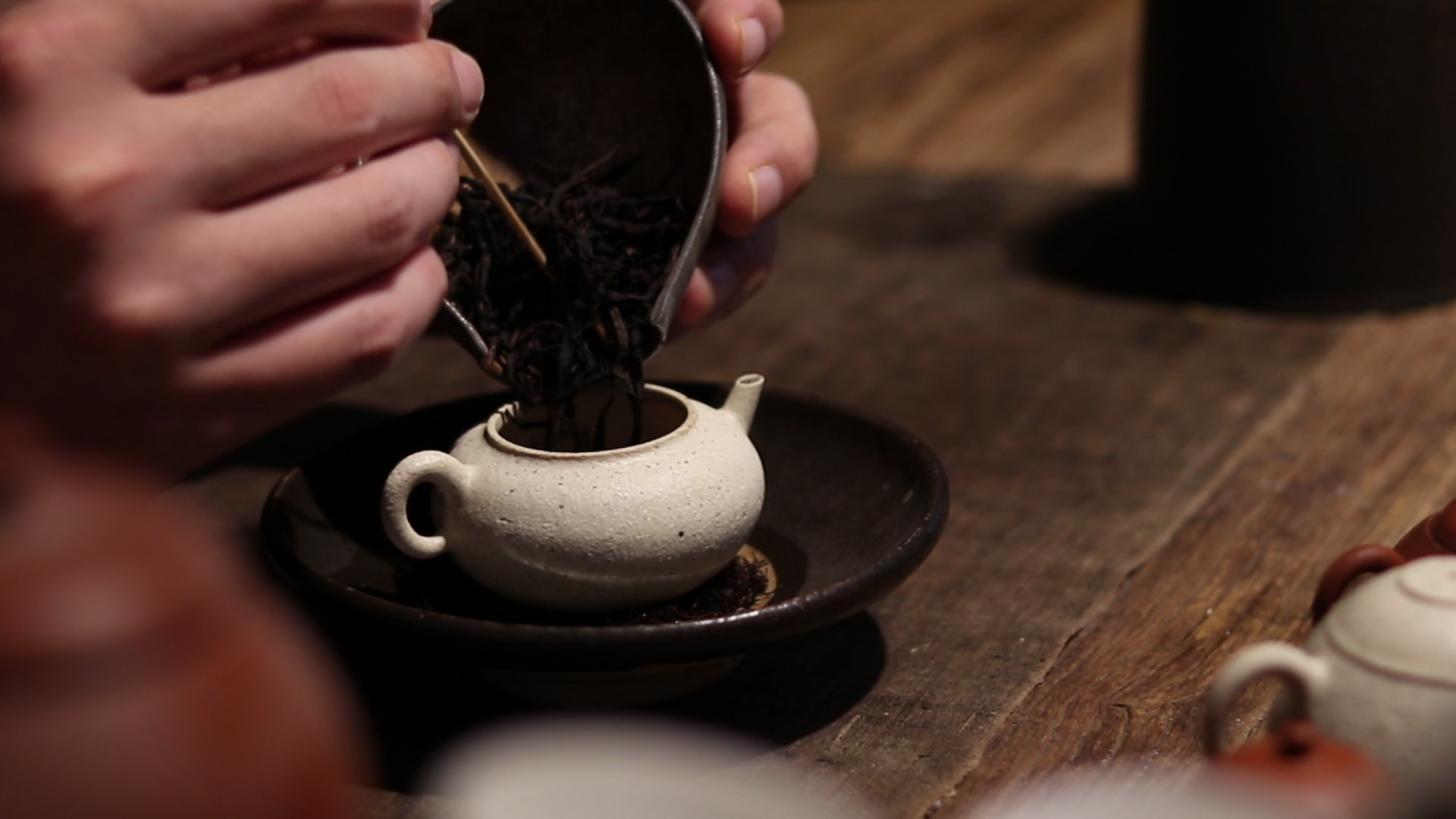
Zheng Bixin is the founder of Yangyu Handmade Studio in Jingdezhen. Rooted in Chaozhou Gongfu tea culture, his practice centres on handmade vessels and the gestures of preparing and sharing tea.
Our collection includes his Zhuni, Duanni and Wood Fire teapots, together with the Duanni Pitcher, connecting different clay surfaces and forms with everyday brewing.
Chiju
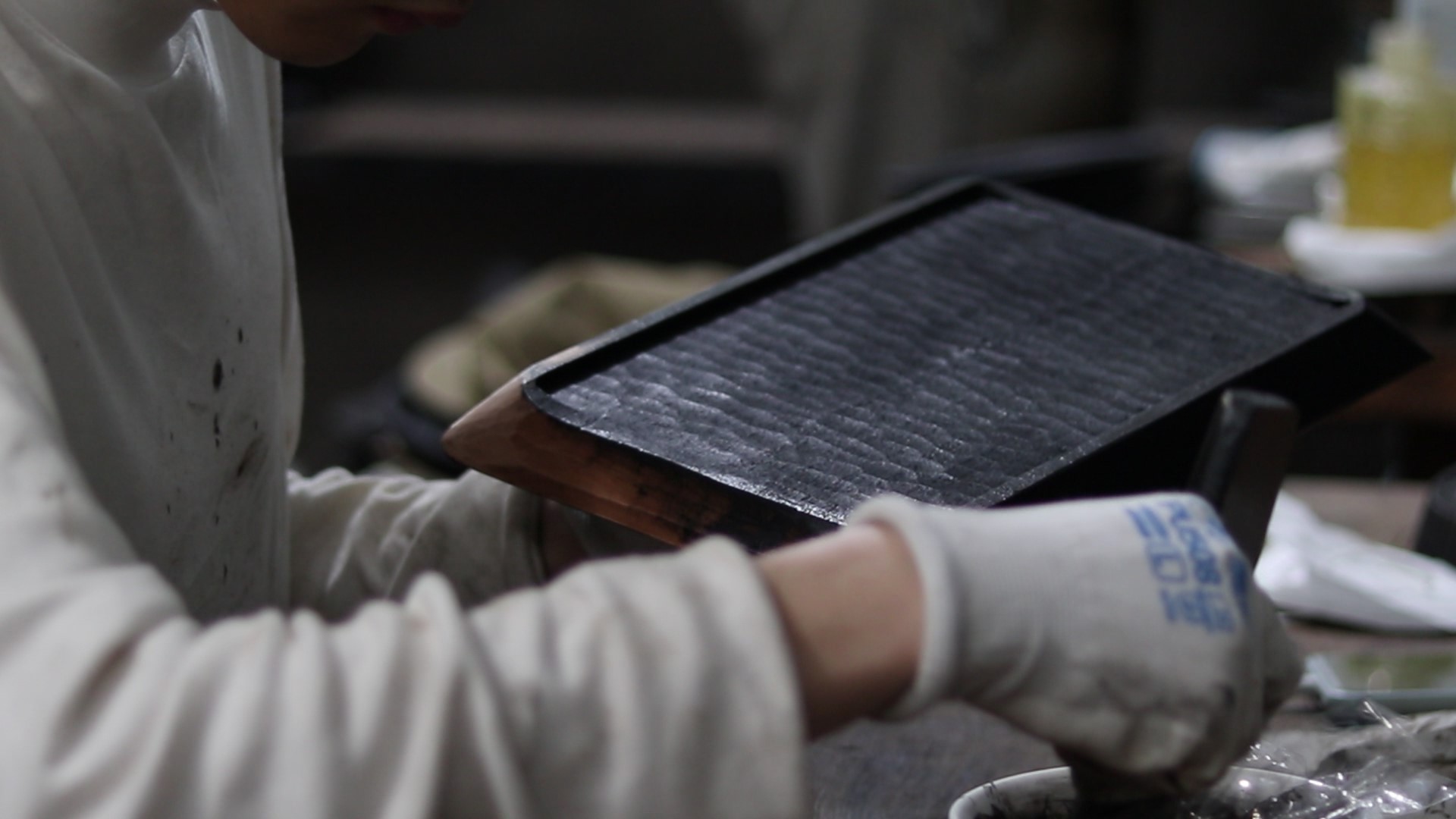
Founded by Zhou Bo and Li Donghai in Jingdezhen, Chiju brings together woodworking, traditional joinery and natural lacquer. Their practice extends from handmade furniture to wooden vessels and objects for everyday tea.
Our collection includes the Tea Boat, Lid Rest, and Tea Measure and Pick, whose carved forms and lacquered surfaces bring the texture of wood to the tea table.
Fuliang, Jiangxi
Fuliang Tea
A landscape shaped by tea
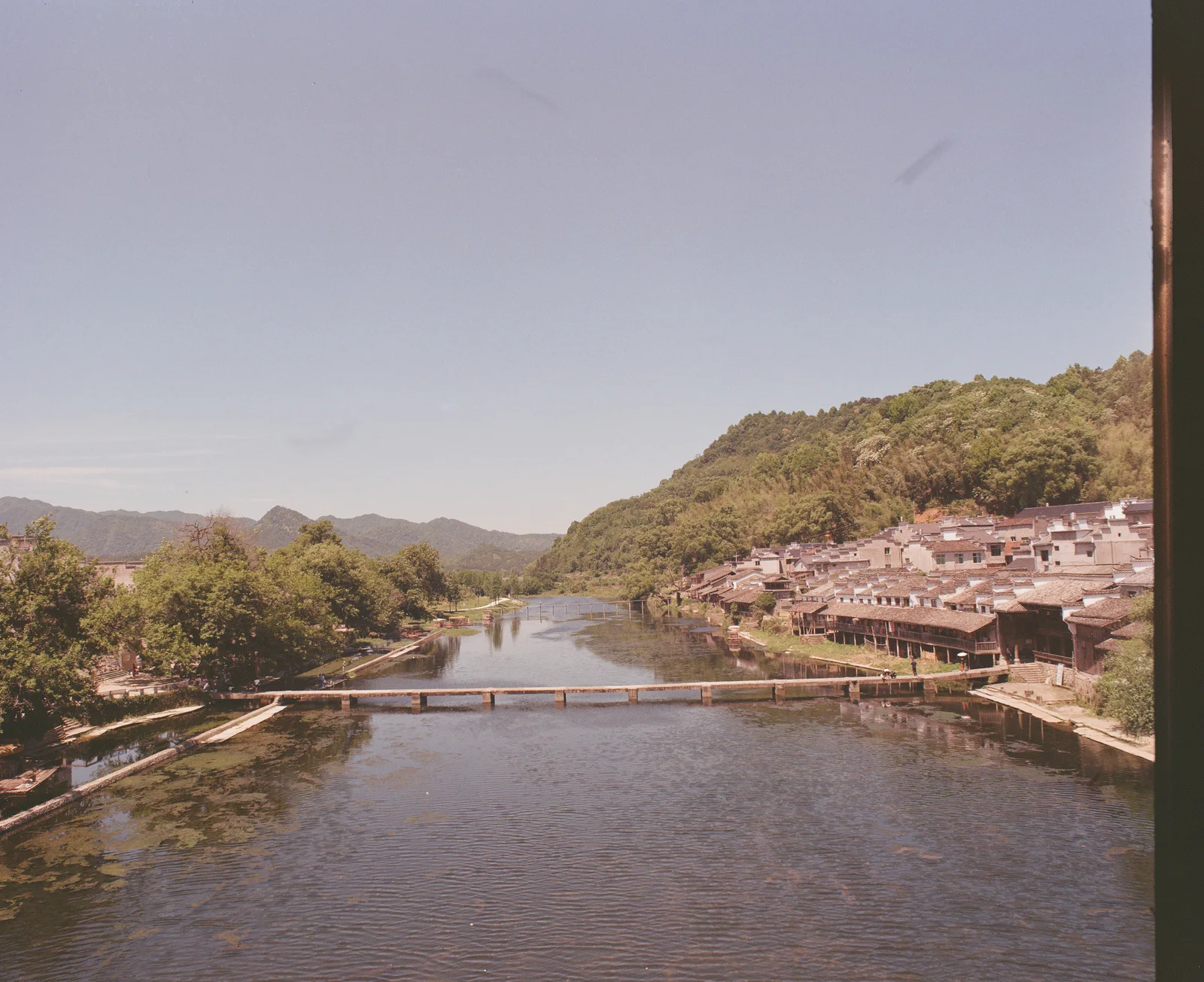
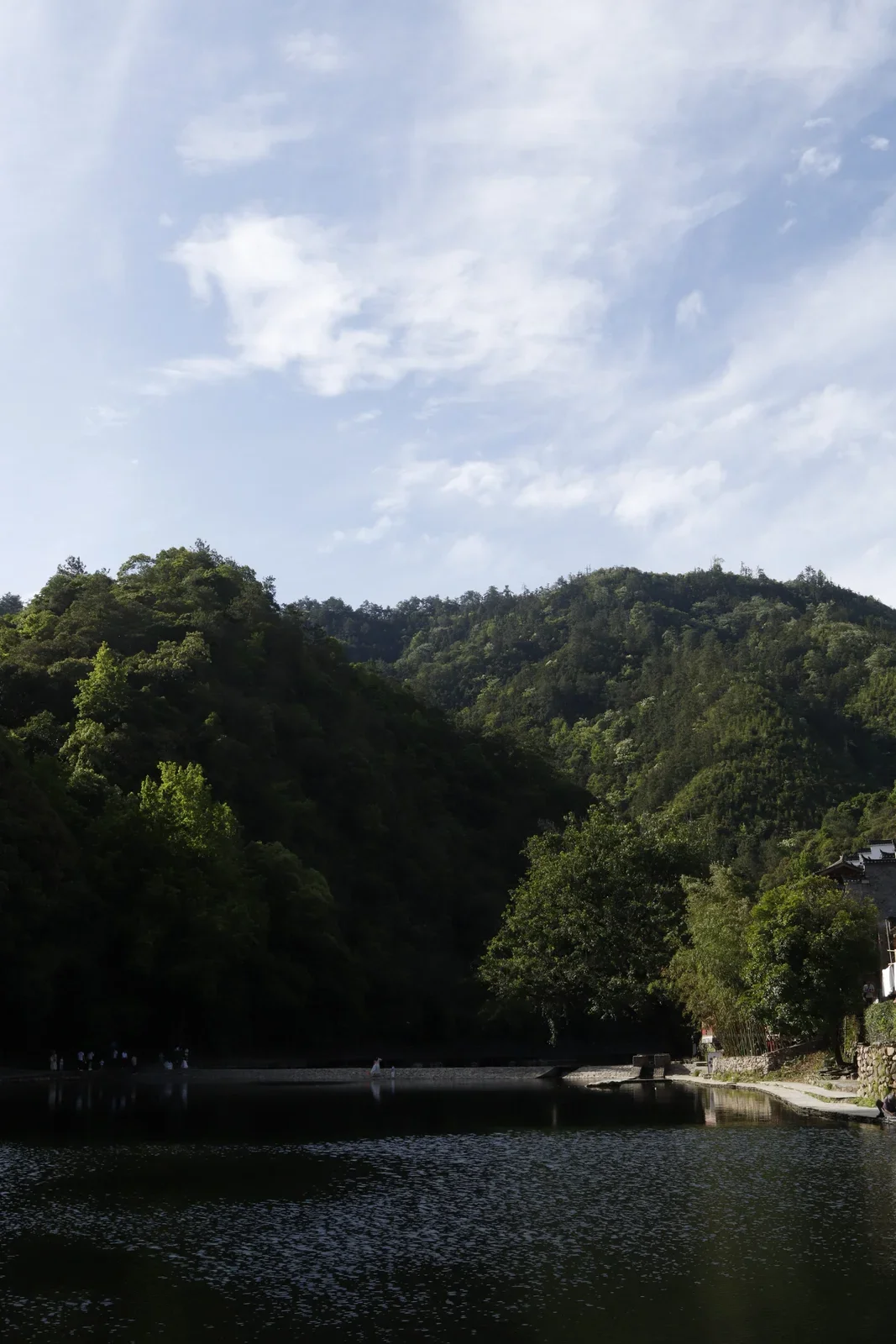
In northeastern Jiangxi, near the border with Anhui, Fuliang is a landscape of wooded mountains, winding rivers and tea-growing villages. Closely connected to the ceramic heritage of Jingdezhen, the region has its own enduring relationship with tea. Mist gathers around its hills and gardens, while forests and waterways form the setting for a tradition shaped by generations of growers and makers.
A long history of tea commerce
By the Tang dynasty, Fuliang was an established centre of tea commerce, connecting the surrounding countryside with markets further afield. Its reputation survives in Bai Juyi’s poem Pipa Xing, or “The Song of the Pipa,” which describes a merchant travelling to Fuliang to buy tea. This brief reference preserves a glimpse of the region’s commercial importance more than a millennium ago: a place where tea was not only cultivated, but gathered, exchanged and carried beyond its origin.
The rise of Fuliang red tea
The red teas associated with Fuliang today belong to a later chapter of this history. During the nineteenth century, local producers expanded the making of red tea as overseas demand created new opportunities. In villages such as Panxi, tea makers adopted and refined these methods, building a trade that connected their mountain communities with ports including Jiujiang and Shanghai. From there, Fuliang’s teas reached international markets, extending the reputation of a region already deeply rooted in Chinese tea culture.
The craft of Fuhong
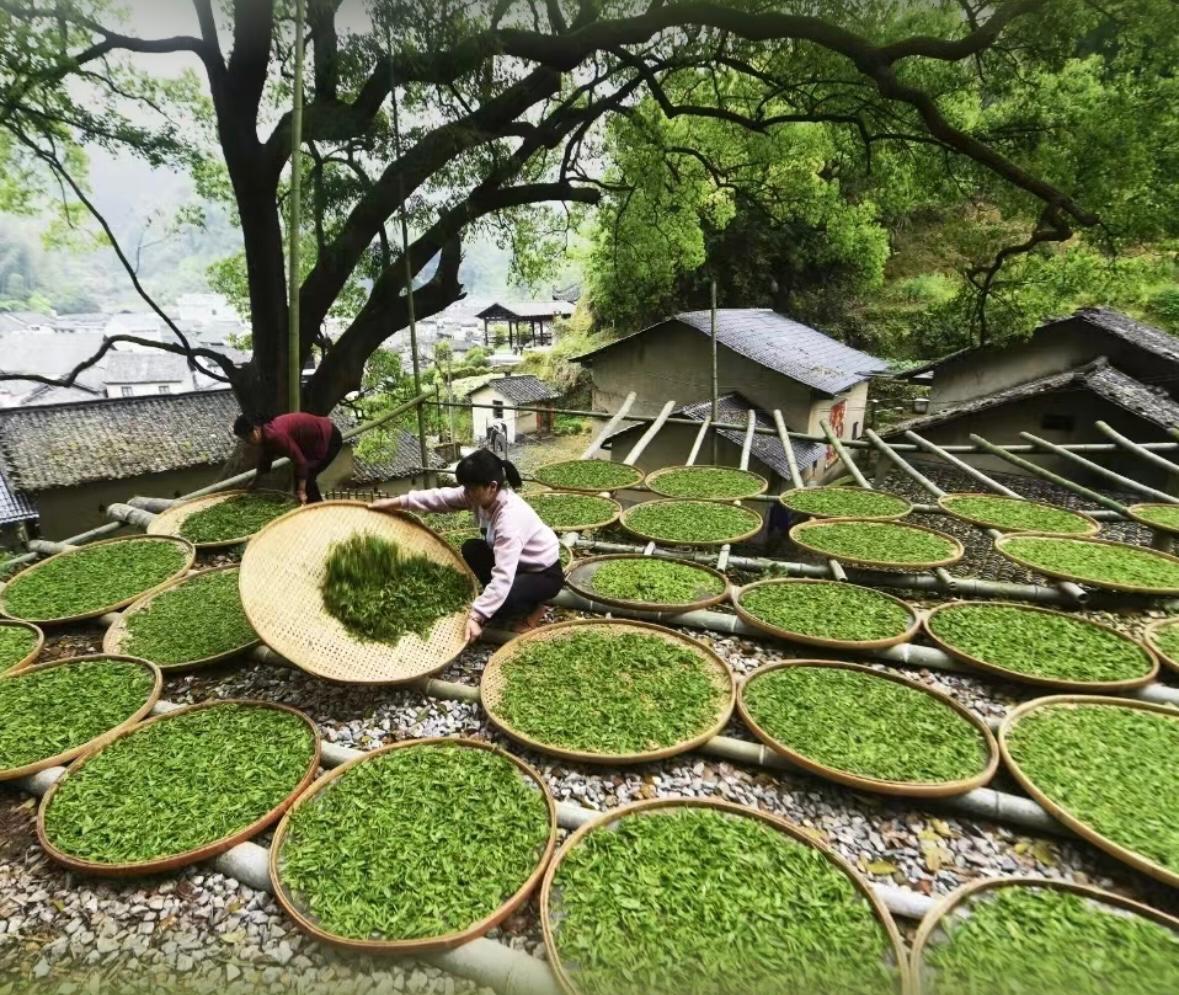
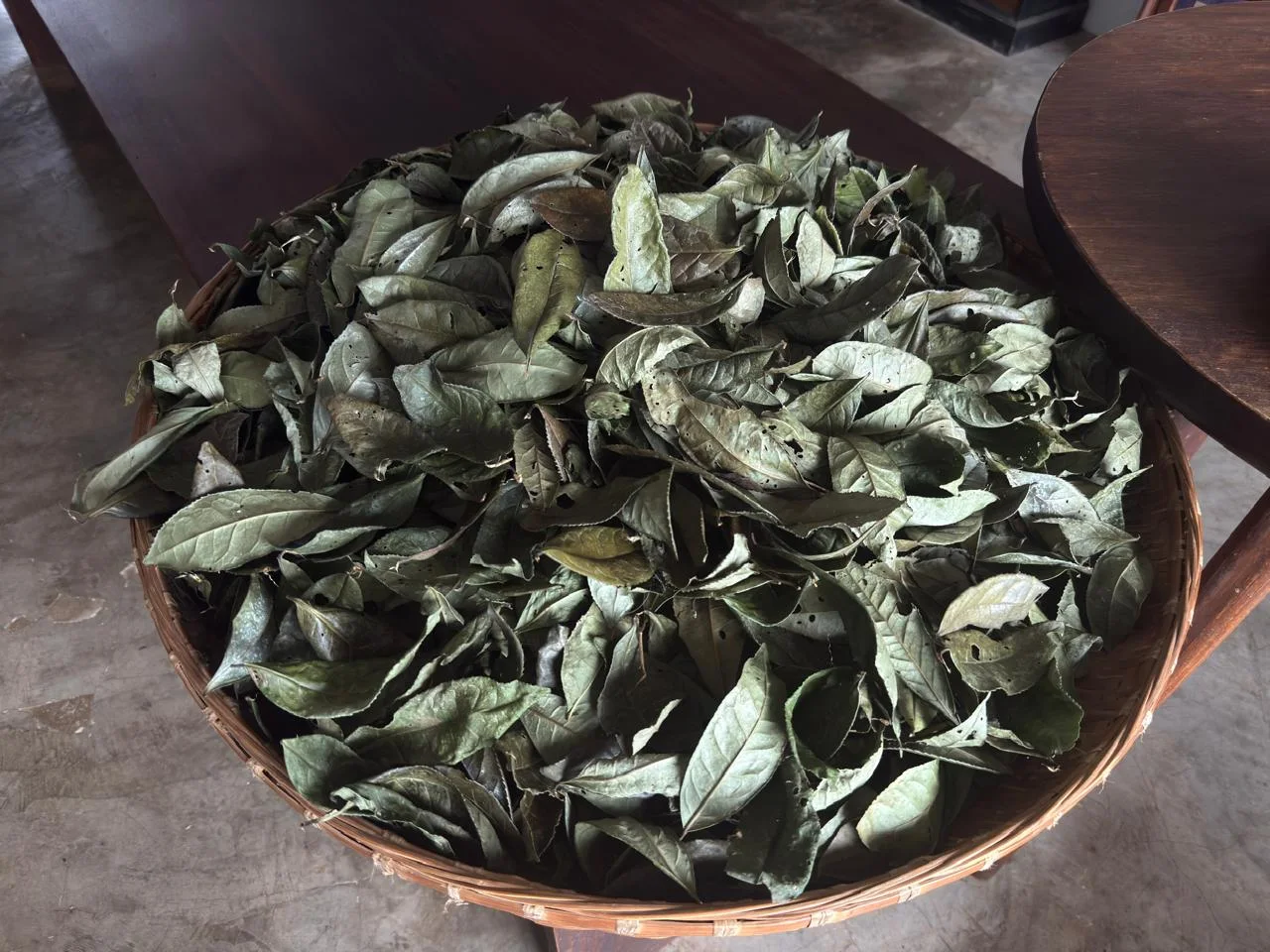
Known as Fuhong (浮红), Fuliang’s gongfu red tea reflects the care involved in transforming fresh leaves into finished tea. Withering softens the leaves, rolling shapes them and breaks their cells, oxidation develops their colour and aroma, and drying completes the process. In traditional workshops, makers assess the leaves through their appearance, scent and feel, adjusting their work as the tea changes. These methods can produce a bright reddish infusion with floral fragrance, rounded body and a sweet, mellow character.
A living heritage
This heritage remains part of local life. In Yantai village, historic tea houses and museum collections preserve the tools, stories and practices of earlier generations, while tea-making skills continue to be taught to new makers. In 2021, Fuliang’s tea-culture system was recognised among China’s important agricultural heritage systems, acknowledging the relationship between its landscape, cultivation and accumulated knowledge.
Exploring Fuliang through the cup
For Tearoom Roji, Fuliang offers an opportunity to explore this heritage through the cup: to appreciate not only a tea’s fragrance and flavour, but also the place, people and decisions behind its making.