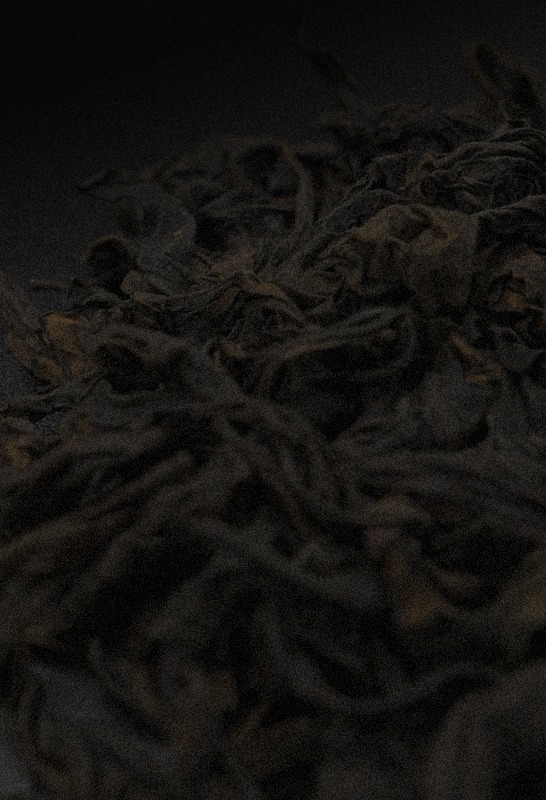
FuliangWild Tree
浮梁野生
Fuliang red tea · Jiangxi · 2026
A moment for tea
Fuliang names the tea growing county in Jiangxi, while Wild Tree describes this tea’s growing style.
Honey, wildflowers and ripe fruit.
A fragrant, rounded cup with a lingering sweet finish.
- Tea
- Fuliang Wild Tree
- Type
- Red tea / Red tea
- Origin
- Fuliang, Jiangxi, China
- Harvest
- 2026
- Format
- Loose leaf
Brewing guide
Begin gently to keep the floral fragrance and fruit sweetness clear.
- Teaware
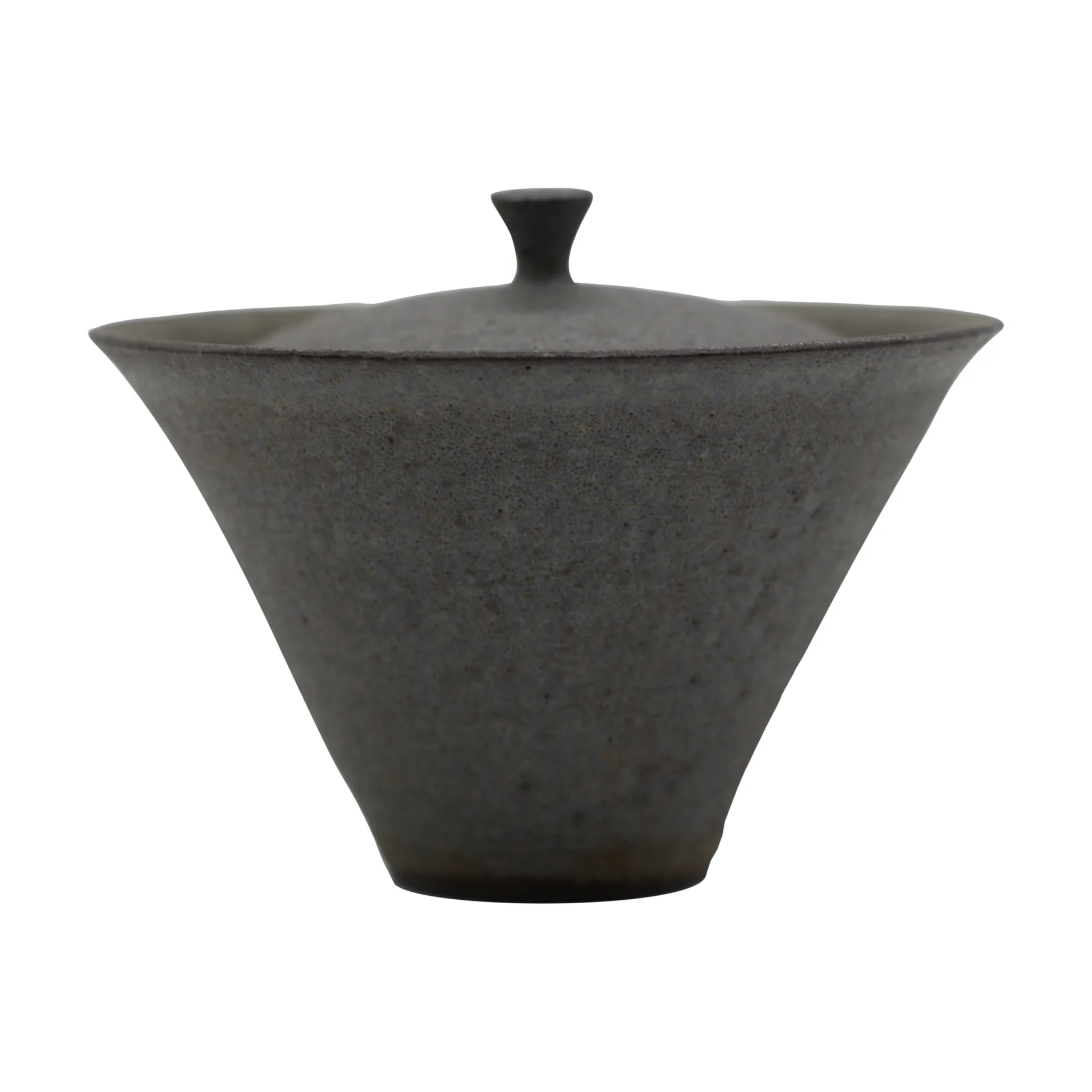
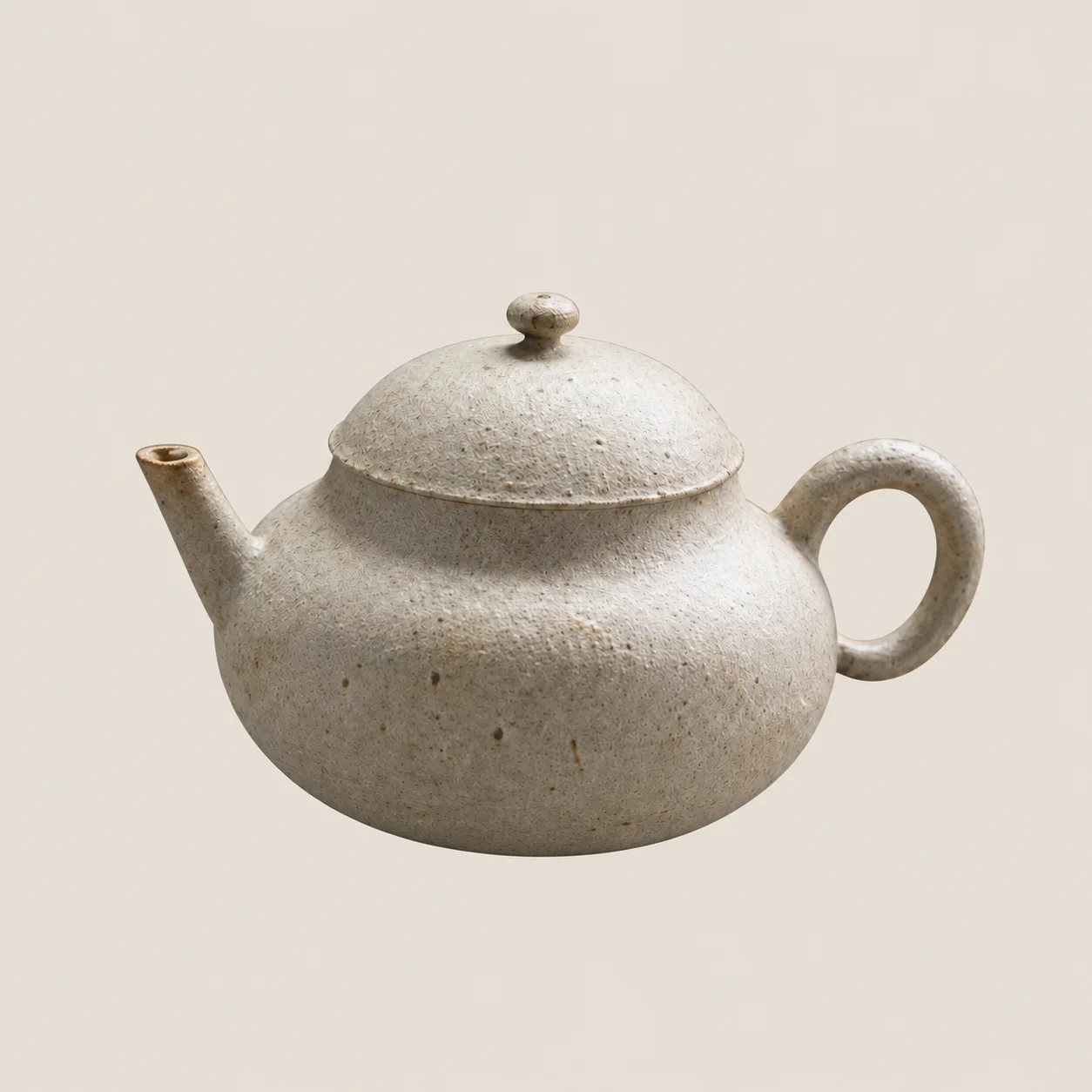
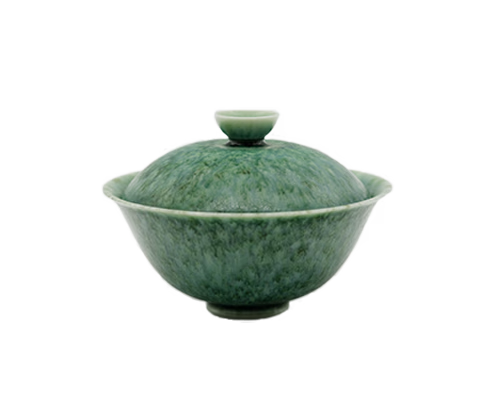
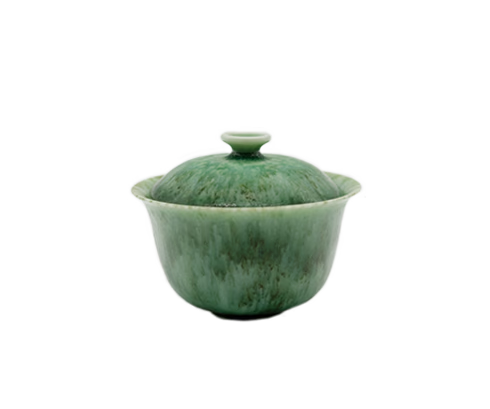
- A 120 ml porcelain gaiwan
- Tea amount
- 4 to 5 g
- Water
- Filtered water or low TDS spring water
90 to 95°C / 194 to 203°F - Preparation
- Warm the gaiwan, add the leaves and enjoy their fragrance.
Pour out completely between infusions. Use the lower end of the temperature range for a softer cup, or slightly hotter water for more body. Adjust the timing to your taste and continue while the leaves offer flavour you enjoy.
Infusion timings
- 1st infusion
- 10 seconds
- Following infusions
- Start with 10 to 15 seconds, then extend by 5 to 10 seconds as the flavour softens.
Empty the vessel fully between pours and adjust the timing to taste.
Water ratio
Start with 4 to 5 g of tea per 120 ml of water.
Measure the water used in each infusion. Reuse the same leaves and adjust the quantity for a lighter or fuller cup.
Storage
Keep tightly sealed in a cool, dry place, protected from light, moisture and strong smells. Close the pack after each use to preserve the fragrance.
Tasting notes
Honey, wildflowers and fruit
Fuliang Wild Tree
Honey and wildflowers
Fuliang Wild Tree opens with a fragrant mix of honey sweetness and wildflowers. The floral character remains clear through the cup, giving the tea a light, expressive aroma above its rounded body.
Ripe fruit and dried fruit depth
A ripe fruit impression brings freshness to the sip, while dried fruit notes add a deeper sweetness underneath. The flavours settle together gradually, allowing the fragrance and texture to unfold over successive infusions.
Soft wood, mineral notes and light malt
A gentle woody character and a subtle mineral impression give the cup definition. Light malt adds warmth without taking over the floral and fruit notes. The overall balance is fragrant and naturally sweet, with a soft, composed depth.
A rounded cup and lingering finish
The liquor ranges from clear amber to deep red, depending on the strength of the infusion. Its smooth, rounded texture carries the sweetness across the palate and into a long finish. As the cup cools, notice the returning fragrance and the quiet persistence of the aftertaste.
← Return to the red tea collectionOrigin & processing
The place behind the leaf
Fuliang
Jiangxi
Fuliang · Jingdezhen · Jiangxi
Fuliang, Jiangxi
Fuliang has a long relationship with tea, alongside the ceramics tradition of nearby Jingdezhen. Its red teas are known for their fragrance and mellow character, bringing together aromatic lift and a rounded cup.
The regional landscape
The county includes hills, forest and high mountain tea gardens. The elevation diagram places these gardens within the wider Fuliang landscape; it provides regional context rather than a measured altitude for this tea’s plot.
A fragrant red tea
Fuliang Wild Tree brings honey, flowers and fruit together with a smooth texture. Gentle wood and light malt support the brighter notes, leaving a lingering sweetness after the sip.
Withering and rolling
After picking, the leaves are spread and withered to reduce moisture and make them pliable. Rolling shapes the leaf and disrupts its cells, preparing it for the next stage of processing.
Oxidation and drying
Enzymatic oxidation develops the tea’s colour, aroma and body. Drying then arrests this activity and reduces moisture for storage. Careful handling helps preserve the balance between fragrance, sweetness and texture.
Exploring the cup
Begin with short infusions and adjust gradually as the leaf opens. Notice the honeyed fragrance, the soft fruit character and the way the texture changes from one pour to the next.