Dong JiaoYashixiang
A moment for tea
Gardenia, jasmine and tangerine.
Ripe peach and honeyed sweetness.
Softly creamy florals with a lingering finish.
- Tea
- Dong Jiao Yashixiang
- Type
- Phoenix Dan Cong oolong
- Origin
- Dong Jiao, Fenghuang, Chaozhou, Guangdong, China
- Cultivar
- Ya Shi Xiang (鸭屎香)
- Format
- Loose leaf
Brewing guide
A practical starting point: plenty of leaf, freshly boiled water and quick, complete pours. Adjust each infusion to taste.
- Teaware
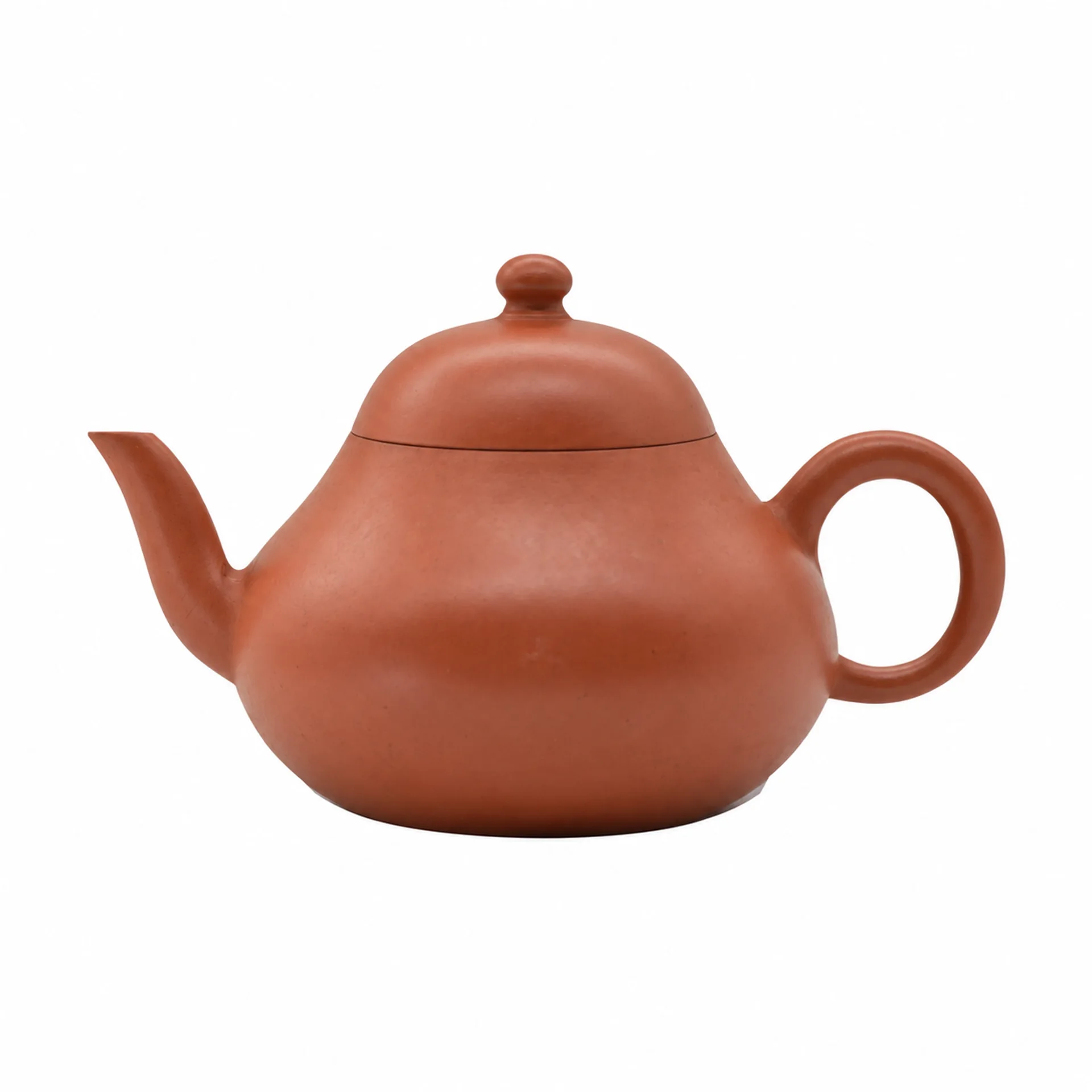
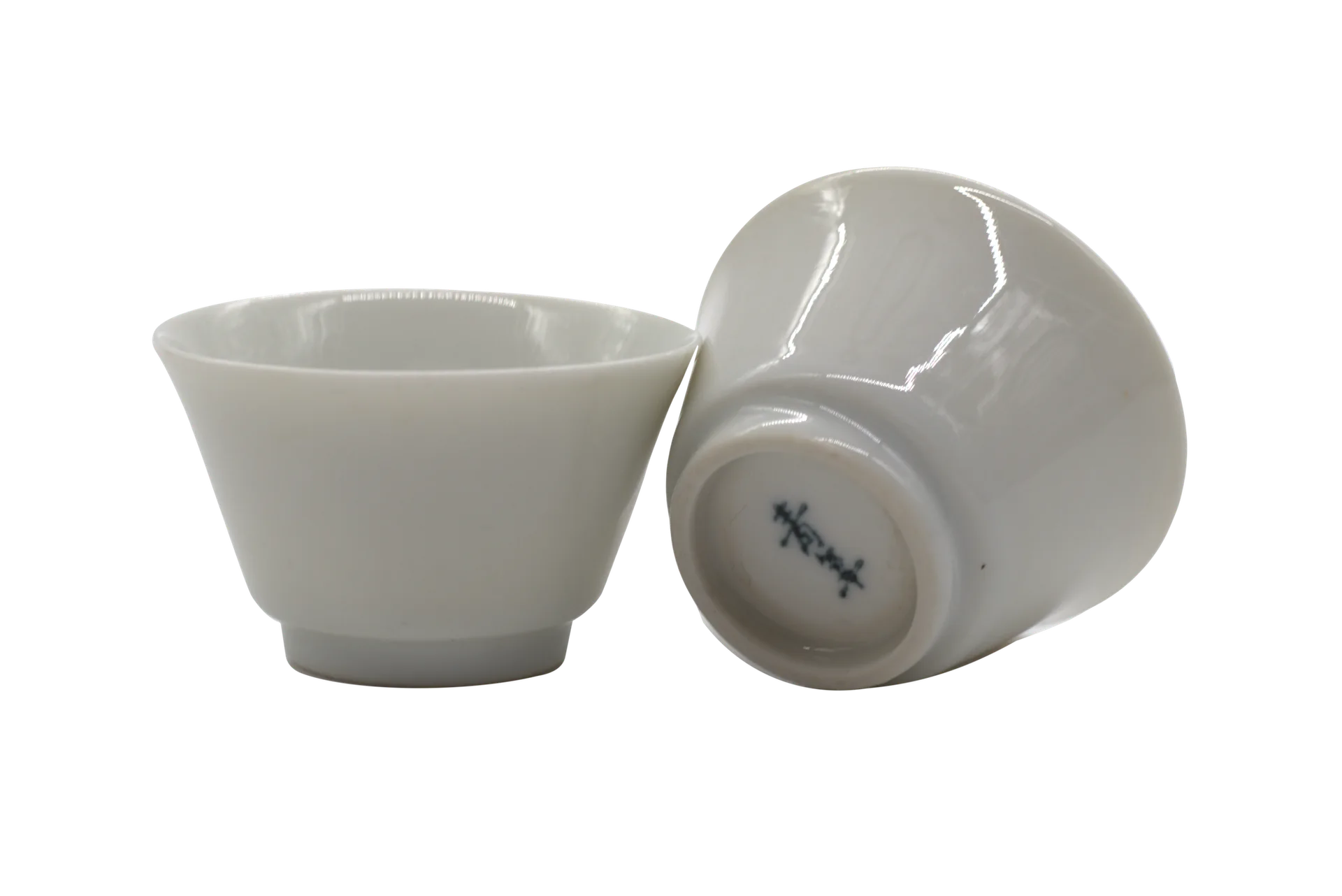
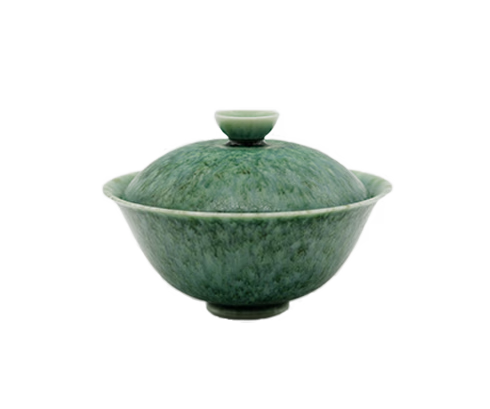
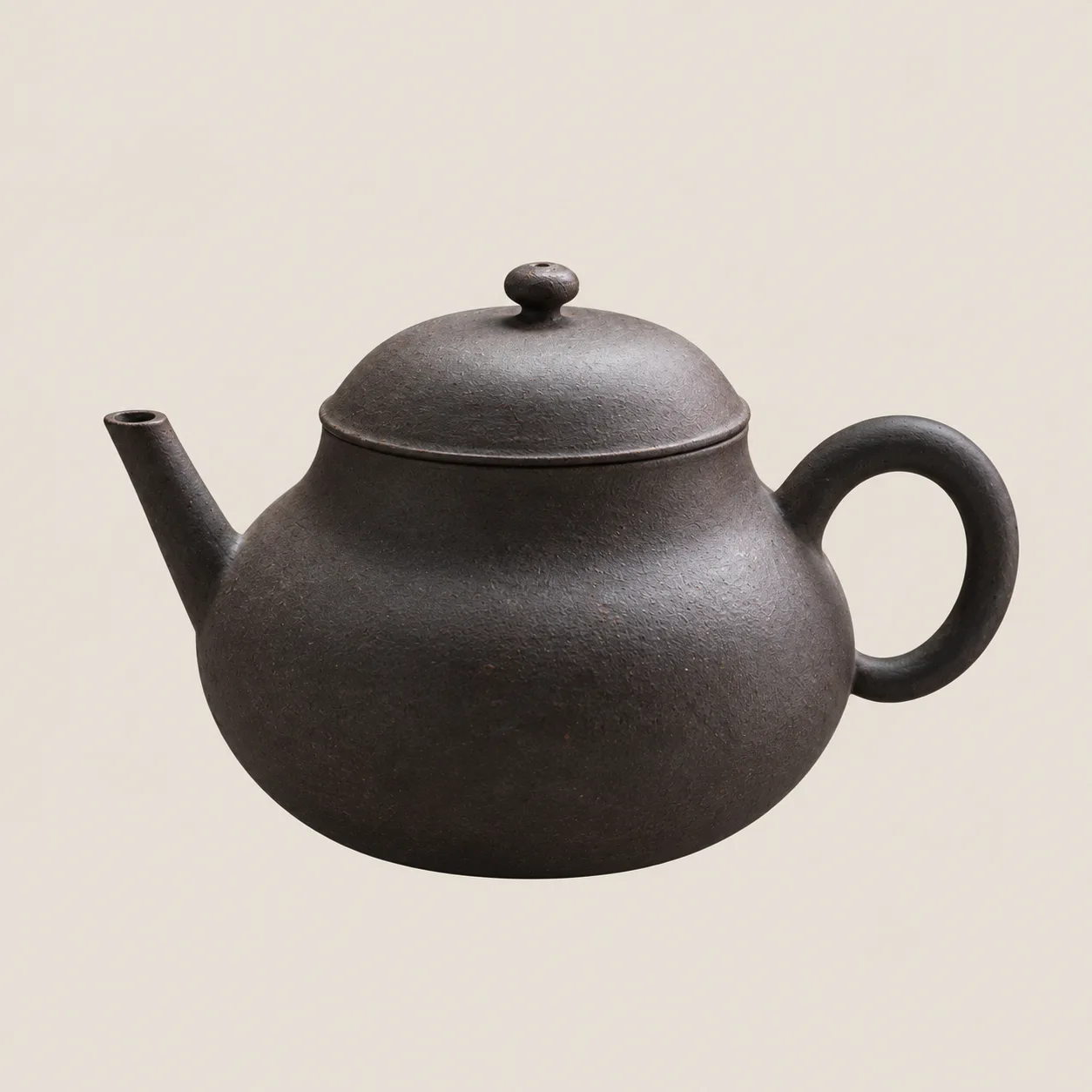
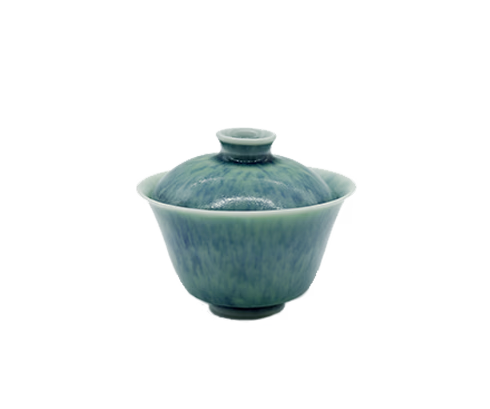
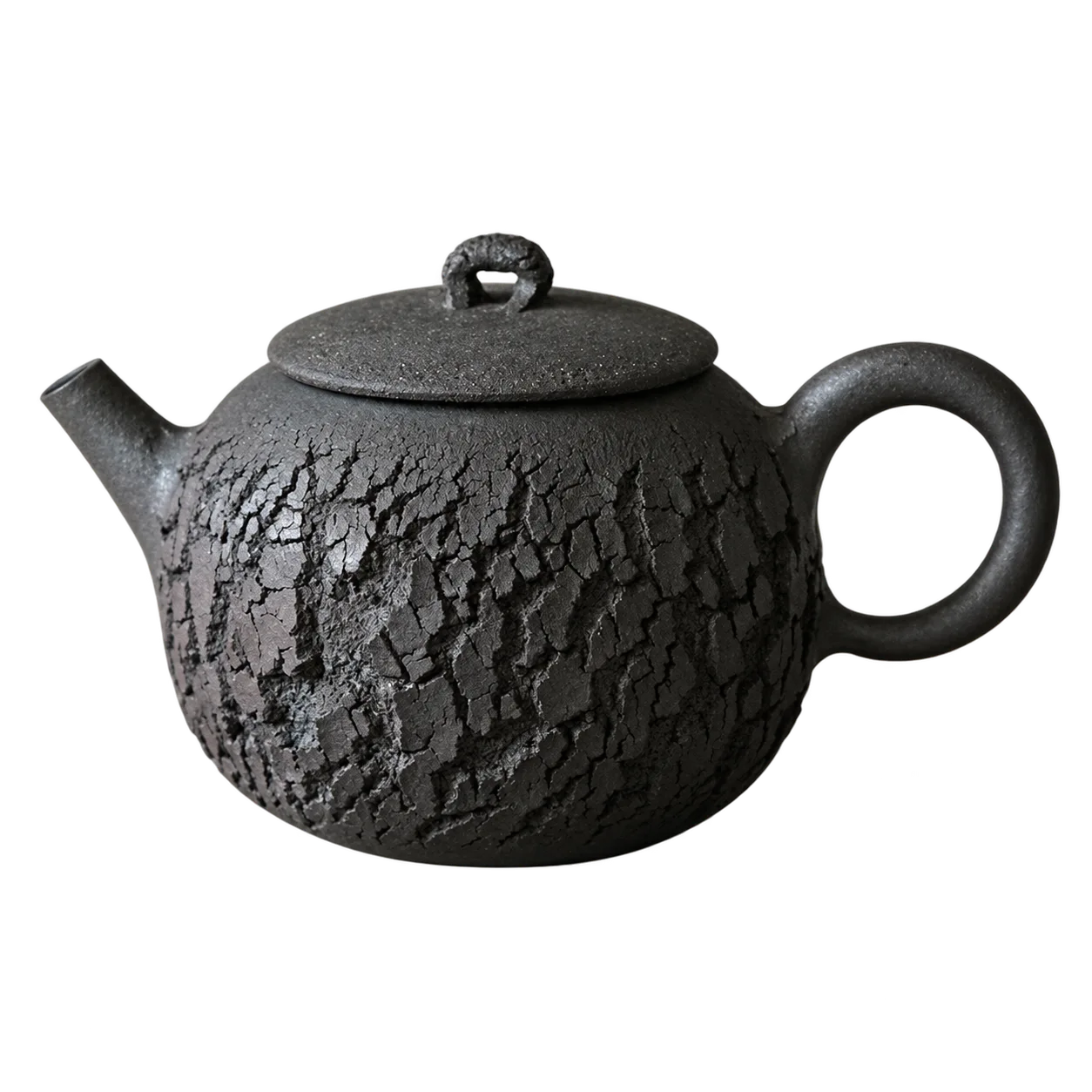
- A small Chaozhou clay teapot or porcelain gaiwan, around 100 to 110 ml
- Tea amount
- 7 to 8 g per 100 to 110 ml
- Water
- Freshly boiled water, approximately 100°C / 212°F
- Preparation
- Warm the vessel and cups. Add the leaf; if rinsing, pour off immediately.
For traditional small cup service, distribute the liquor in alternating passes so each cup receives a similar strength. A sharing pitcher also works.
If the cup becomes bitter or drying, shorten the next infusion or reduce the leaf on your next session. Continue while the tea remains enjoyable.
Adjust the leaf and timing to find your preferred balance.
Infusion timings
- Infusions 1 to 3
- Begin pouring out after about 3 seconds. Drain completely and promptly.
- Infusion 4 onward
- Add roughly 2 to 3 seconds as the flavour softens; extend further in later rounds.
Empty the vessel fully between pours and adjust the timing to taste.
Water ratio
Start at approximately 1 g of leaf per 14 to 15 ml of water.
| Water | Tea |
|---|---|
| 100 ml | 7 g |
| 110 ml | 8 g |
| 140 ml | 9 to 10 g |
Use the same leaves throughout the session. Keep the first pours quick at this ratio.
Storage
Keep the tea well sealed in a cool, dry place, away from sunlight, moisture and strong smells. Reseal the packaging after each use to protect its fragrance.
Tasting notes
From landscape to cup
Dong Jiao
Yashixiang
The fragrance behind the name
Ya Shi Xiang means “duck dung fragrance,” an unusual traditional name for a beautifully floral tea. It describes neither the taste nor an ingredient. Dong Jiao names the village in Fenghuang where this tea comes from.
Gardenia and jasmine
A lifted fragrance of gardenia and jasmine opens the cup, with a honeysuckle like sweetness beneath it. The white flower character is naturally present in the tea, developed through the cultivar and careful processing, without added flowers or flavourings.
Tangerine and ripe peach
A bright tangerine note gives the floral opening a fresh citrus edge. Ripe peach follows, softening the cup into a fuller fruit sweetness. As the leaves open, fruit becomes more apparent beneath the persistent fragrance.
Honey and creamy florals
A honey impression carries through the middle of the sip, accompanied by a smooth, softly creamy texture. This rounded character balances the high aroma, giving the tea substance as well as fragrance.
A lingering return
A gentle mineral and herbal structure sits beneath the flowers and fruit. After swallowing, returning sweetness, or hui gan, leaves the mouth fragrant and refreshed. Later infusions become quieter and more honeyed as the opening citrus and flowers soften.
← Return to the oolong collectionOrigin & processing
The place behind the leaf
Dong Jiao
A Phoenix Mountain tea
Dong Jiao · Fenghuang Mountains · Guangdong
Dong Jiao in the Phoenix Mountains
This Ya Shi Xiang comes from Dong Jiao Village in Fenghuang, Chaozhou, Guangdong. Phoenix Dan Cong is a regional oolong tradition celebrated for vivid natural fragrance, with gardens spread across mountain slopes, valleys and villages.
Dong Jiao’s expression brings persistent flowers, sweetness and a softly creamy cup. Altitude, exposure and the maker’s handling of the leaf all influence how the cultivar expresses itself.
A name with several stories
One account links “duck dung fragrance” to a local nickname for yellowish soil. Another tells of a grower giving a treasured tea an unappealing name to discourage others from taking cuttings. These are traditional stories, rather than a single established explanation.
The cultivar is also known as Yin Hua Xiang, or “silver flower fragrance,” a name that reflects its floral character. Ya Shi Xiang remains its familiar traditional name.
Sun and indoor withering
After picking, the leaves begin losing moisture, traditionally with a period of sun withering followed by rest indoors. This softens the leaf and prepares it for the stages that develop its fragrance.
Tossing and partial oxidation
Repeated tossing, or lang qing, gently bruises the edges. Resting between movements allows controlled oxidation to unfold. The maker adjusts these cycles to the leaf and conditions, drawing out layers of flowers, citrus and ripe fruit.
Heat, rolling and drying
Kill green heating stops enzymatic oxidation at the chosen point. The leaves are then rolled into the long strips characteristic of Phoenix Dan Cong and dried. Their substantial shape gradually opens again during brewing.
Finishing the tea
Roasting helps finish the leaf and integrate its aromas. Its intensity shapes the balance between bright fragrance and deeper warmth. Here, the emphasis stays with flowers, fruit and honeyed sweetness.
Leaf and liquor
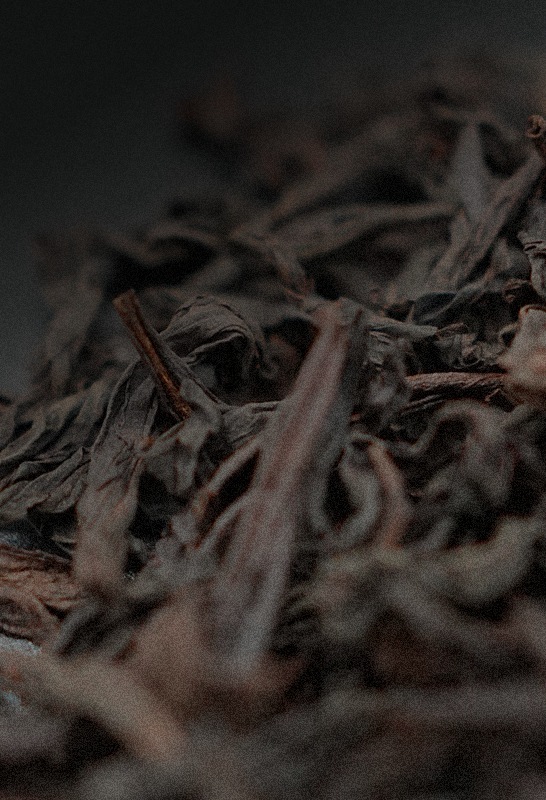
The dry leaves are long, twisted and dark brown, often with a glossy surface. Infused leaves can show olive green centres and reddish brown or copper edges. The clear liquor ranges from golden yellow to orange gold and amber with changes in brewing strength.
The regional landscape
The elevation diagram compares reference points across Fenghuang. It gives context for the wider growing region, rather than a confirmed altitude for this individual garden. Dong Jiao is highlighted as this tea’s origin.