Fo Shou
A moment for tea
Ripe pear, citrus blossom and honey.
A rounded, fruit forward cup.
Soft spice and lingering mineral sweetness.
- Tea
- Fo Shou
- Type
- Wuyi Rock Tea (Yancha, High Mountain area)
- Origin
- Wuyishan, Northern Fujian, China
- Cultivar
- Fo Shou (佛手)
- Format
- Loose leaf
Available exclusively in our Wuyi subscription boxes ahead of general release.
Brewing guide
A suggested gongfu starting point. Adjust the timing to your tea and taste.
- Teaware
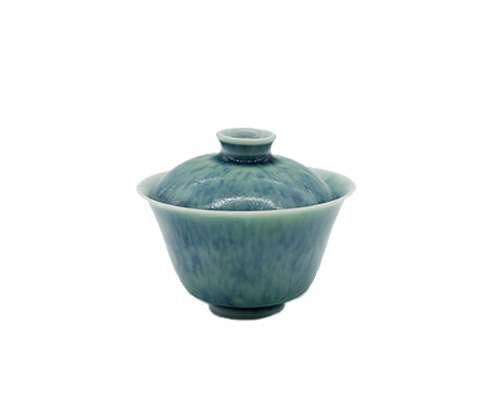
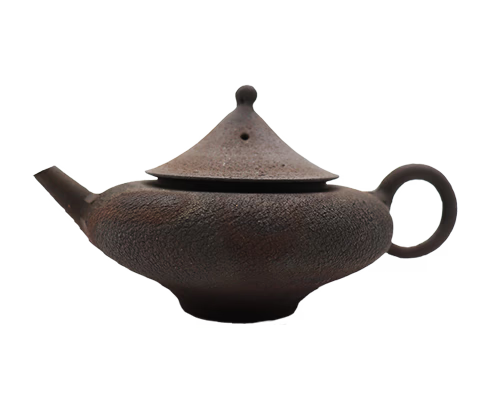
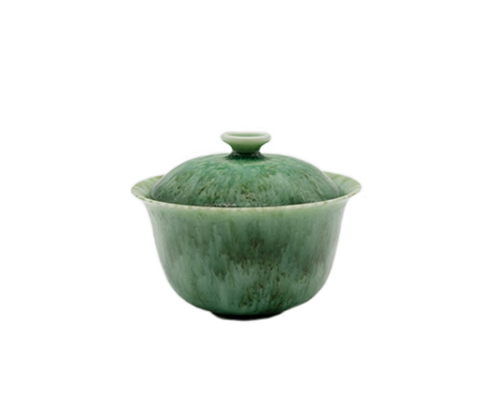
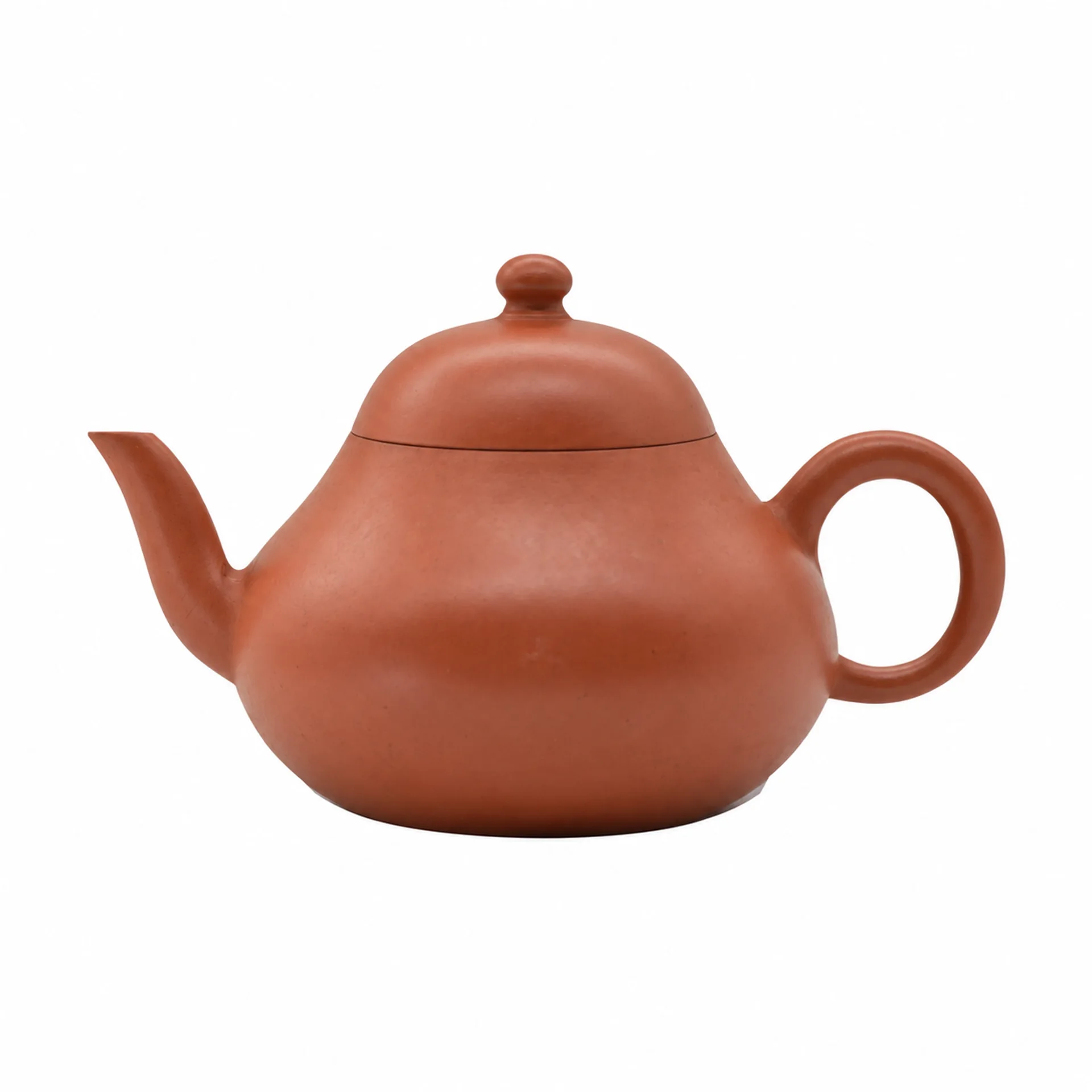
- A gaiwan or small teapot
- Water temperature
- Near boiling · 99 to 100°C
Pour off the tea completely after each infusion. If the brew is too strong, shorten the next steep; if it is too light, steep a little longer. Continue while the leaves still give a flavour you enjoy.
Adjust each infusion to your taste.
Infusion timings
- First infusion
- 5 seconds
- Following infusions
- Add around 5 seconds each time
Empty the vessel fully between pours and adjust the timing to taste.
Water ratio
For the gongfu method above, start with 5 g of dry leaf per 100 ml of water 1 g per 20 ml.
| Water | Tea |
|---|---|
| 100 ml | 5 g |
| 140 ml | 7 g |
| 150 ml | 7.5 g |
| 200 ml | 10 g |
Use the amount of water you actually pour, rather than filling the vessel to its rim. Reuse the same leaves for subsequent infusions.
Prefer a lighter cup? Reduce the leaf slightly or shorten your steep. Keep the water amount consistent as you adjust.
Storage
Keep the tea well sealed in a cool, dry place, away from sunlight, moisture and strong smells. Reseal the packaging after each use to protect its fragrance.
Tasting notes
From leaf to cup
The character
of Fo Shou
Buddha’s Hand
Fo Shou means “Buddha’s Hand,” the name of the finger shaped citron that lends its name to this large leaf tea cultivar. The fruit and floral impressions come naturally from the tea; no citron or pear is added.
Ripe pear and citrus blossom
A clean, ripe pear sweetness leads into citrus blossom and white flowers. Citrus peel adds a brighter edge, while hints of ripe peach bring depth to the fruit. The fragrance is broad and rounded, with a softer expression than Rou Gui’s cinnamon like intensity.
Honey and soft spice
Honeyed sweetness gathers through the middle of the cup, accompanied by a quiet warmth of spice. The substantial leaf material gives the liquor a smooth, rounded texture that carries the aroma without feeling sharp.
Mineral sweetness
A gentle mineral character brings structure beneath the fruit and flowers. The finish develops into returning sweetness, or hui gan, with a cooling, fruity impression remaining after the sip.
Across the infusions
The first cups place pear and citrus fragrance in the foreground. Later pours reveal honey, ripe fruit and quieter mineral depth as the roasted warmth softens. The character stays fragrant and rounded, becoming more integrated through the session.
← Return to the oolong collectionOrigin & processing
The cultivar & its roots
Fo Shou
A Fujian tradition
Wuyi high mountains · Fujian · China
Fo Shou in Wuyi
This Fo Shou is a high mountain Wuyi rock tea from northern Fujian. It brings the cultivar’s rich fruit fragrance together with the partial oxidation, twisted leaf shape and roasting craft of Wuyi Yancha.
A broad leaf cultivar
Fo Shou is known for unusually large, substantial leaves and a full aromatic character. Its traditional association with Buddha’s Hand citron is reflected in its name, while its fragrance can recall citrus, flowers and ripe orchard fruit.
Withering and Yao Qing
The harvested leaves are spread to lose moisture and soften. Repeated tossing during yao qing lightly bruises the edges. Resting between movements allows controlled oxidation to develop the floral and fruit aromas.
Heat fixation and rolling
Once the desired oxidation is reached, kill green heating stops enzymatic oxidation. Rolling then forms the long, twisted strips characteristic of Wuyi tea. Drying reduces moisture before the finishing roast.
Roasting for balance
Roasting adds another layer to the cultivar’s fruit character. Depending on its intensity, it can bring toasted grain, warm wood, nuts and caramel like sweetness. A balanced finish allows pear, citrus and flowers to remain clear beneath that warmth.
Resting after the roast
After roasting, rest allows the toasted edge to settle into the tea. Fruit and floral notes can become easier to distinguish as the aromas integrate, creating a more cohesive cup.
Leaf and liquor
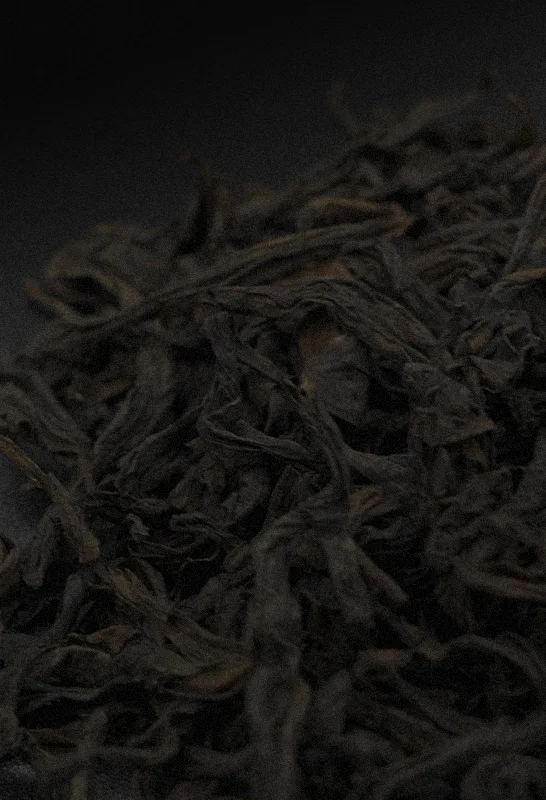
The dry leaves are substantial, long and twisted, with dark brown to charcoal brown tones. They expand in water to reveal olive green and brown surfaces with reddish edges. The liquor moves from golden amber toward deeper amber or copper orange as brewing strength increases.
A rounded rock oolong
Fo Shou offers a fruit led expression of Wuyi tea: pear and citrus blossom, honey and ripe fruit, followed by soft spice and mineral sweetness. Its appeal lies in the combination of generous fragrance, smooth texture and a persistent finish.