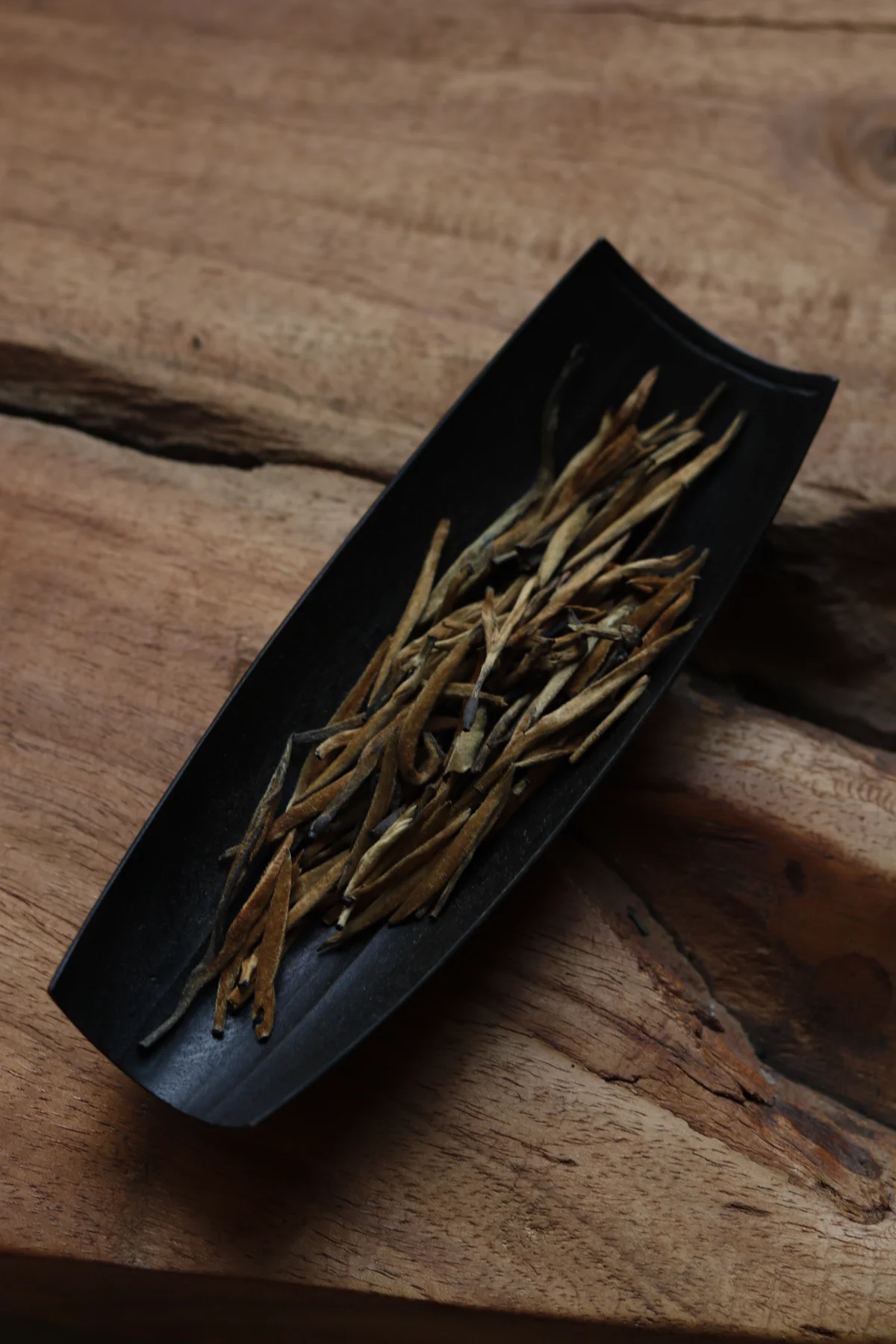
DianhongGolden Needles
滇红金针
Dian Hong Jin Zhen · Yunnan red tea · 2025
A moment for tea
Jin Zhen means “golden needle,” describing the slender golden buds. Dian Hong means “Yunnan red tea.”
Cocoa, malt and dark honey.
Golden buds with a smooth, lingering sweetness.
- Tea
- Dianhong Golden Needles · Dian Hong Jin Zhen
- Type
- Red tea · Dian Hong
- Origin
- Lincang, Yunnan, China
- Harvest
- 2025
- Format
- Loose leaf
Brewing guide
Short infusions let the sweetness and fragrance develop without overwhelming the soft texture.
- Teaware
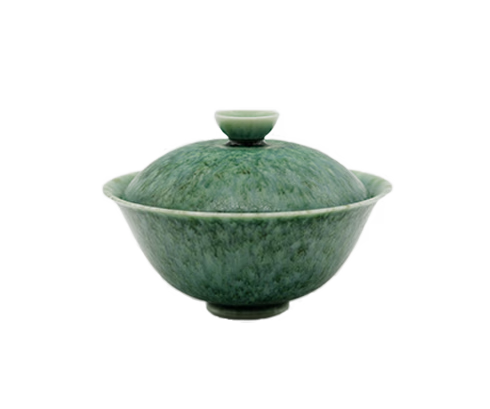
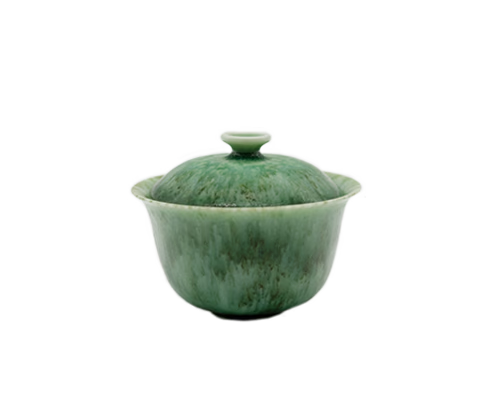
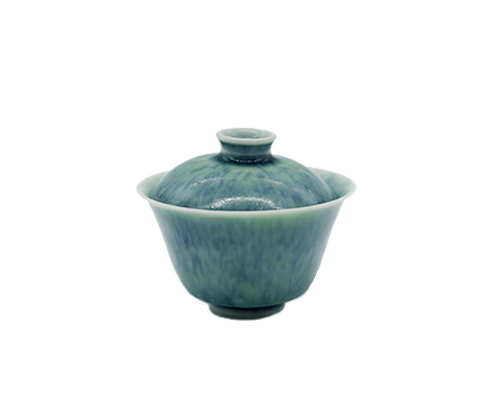
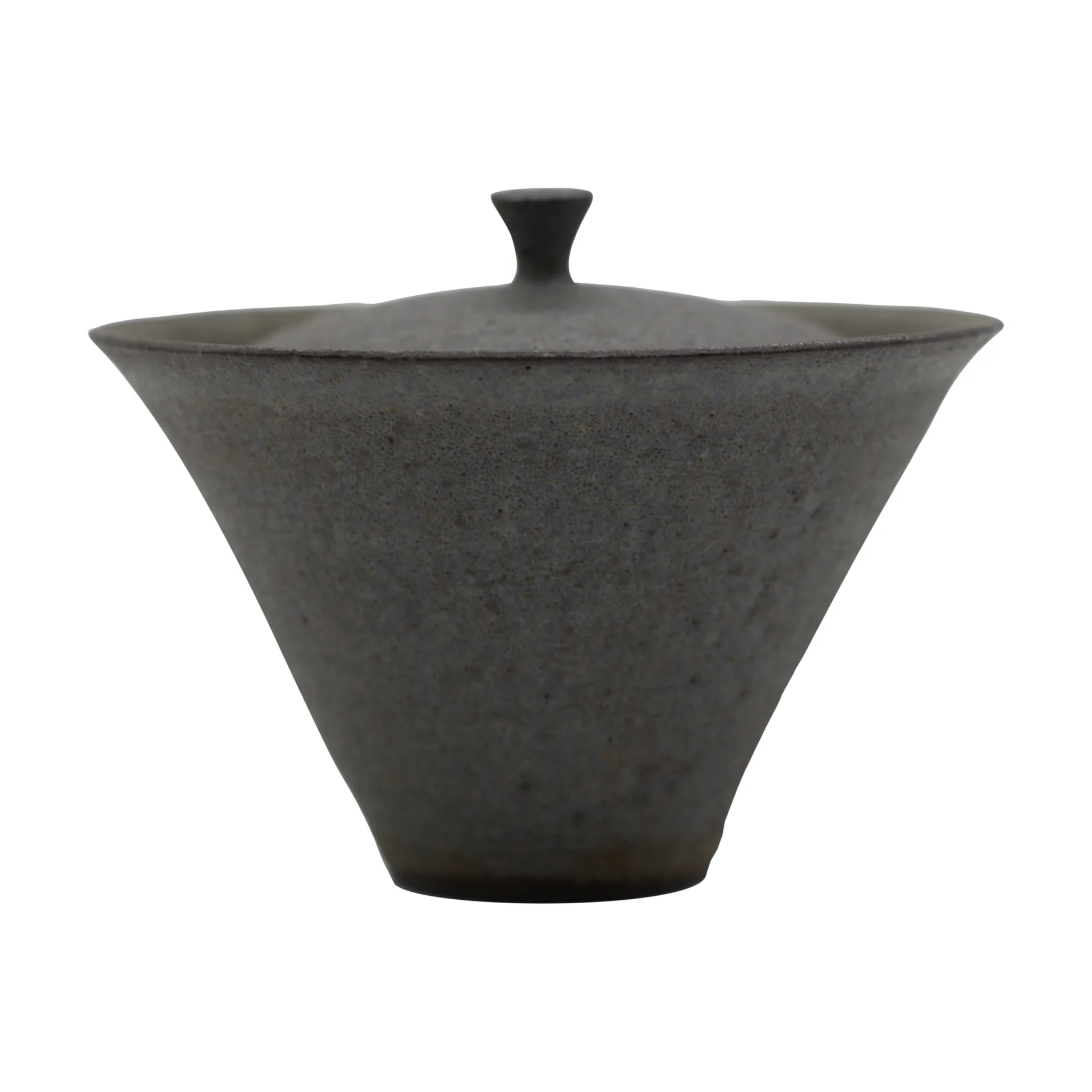
- A 120 ml porcelain gaiwan
- Tea amount
- 4 to 5 g
- Water
- Filtered water or low TDS spring water
90 to 95°C / 194 to 203°F - Preparation
- Warm the gaiwan, add the tea and enjoy the fragrance of the warm buds.
Start at 90°C for a softer, honeyed cup with a delicate floral lift. Move towards 95°C to explore the fuller cocoa and malt character. Pour out each infusion completely and adjust the next steep to taste.
Infusion timings
- 1st infusion
- 5 to 10 seconds
- Following infusions
- Begin with similarly short pours, then add 5 to 10 seconds as the flavour softens.
- Total infusions
- Aim for around 6 to 10, adjusting to the strength you enjoy.
Empty the vessel fully between pours and adjust the timing to taste.
Water ratio
Start with 4 to 5 g of tea per 120 ml of water.
Measure the water used in each infusion. Reuse the same leaves and adjust the quantity for a lighter or fuller cup.
Storage
Keep well sealed in a cool, dry place, away from sunlight, moisture and strong smells. Close the pack promptly after measuring your tea to preserve its fragrance.
Tasting notes
Dianhong Golden Needles
Cocoa and a warm, baked aroma
The dry buds carry a comforting fragrance of cocoa powder and toasted malt, with the mellow sweetness of baked sweet potato underneath. Warming the leaf brings these aromas closer together, revealing a rich, rounded character before the first pour.
Chocolate, honey and brown sugar
Milk chocolate softness leads into dark honey and the deeper sweetness of caramelised brown sugar. Malted grain notes give the cup a satisfying centre, while a light floral impression keeps the fragrance lifted. The sweetness feels integrated with the tea’s warm, savoury depth.
Amber colour and a silky body
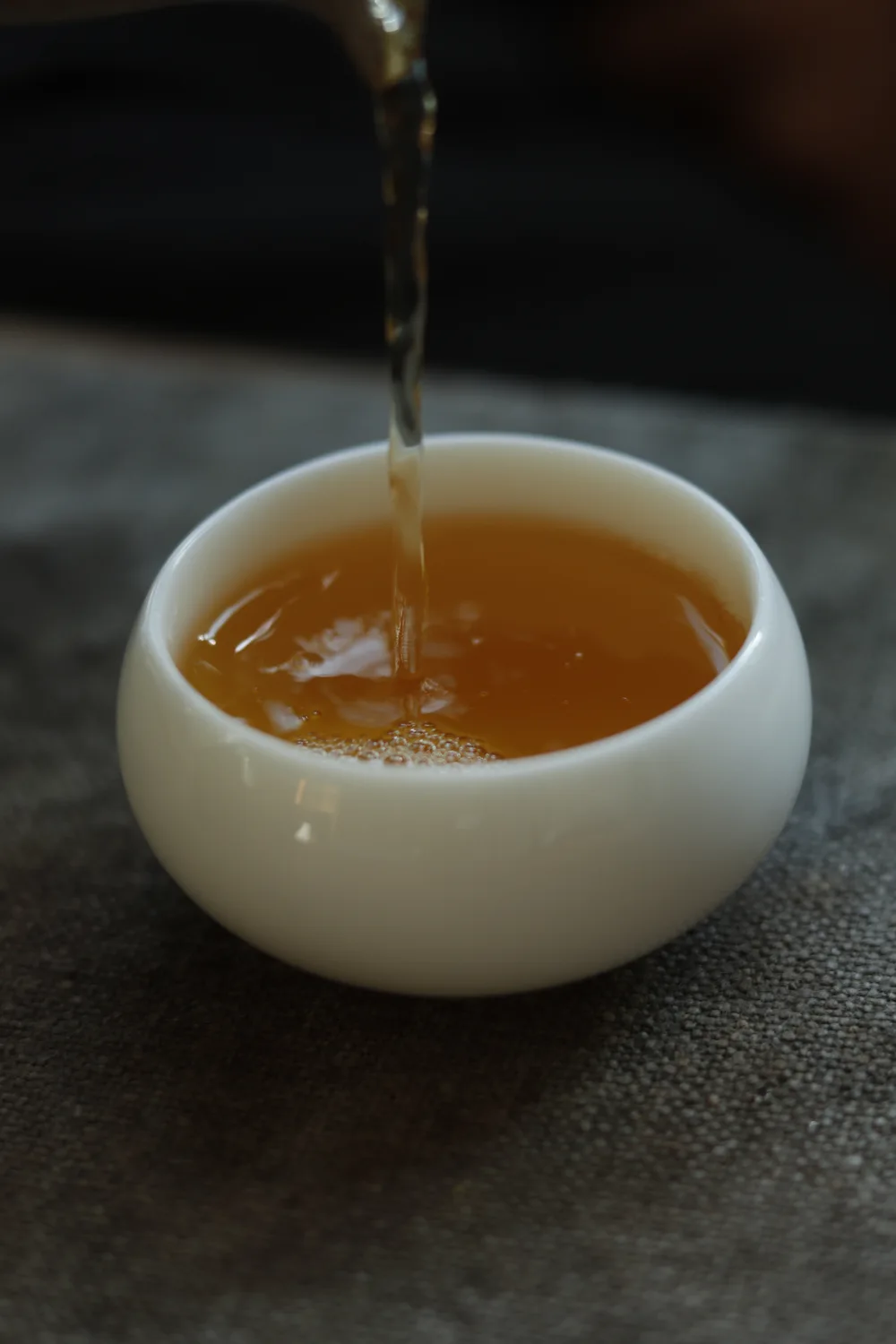
The liquor shines amber orange, deepening towards ruby with a stronger infusion. It moves smoothly across the tongue with a velvety, gently coating feel. Fine down from the buds may be visible in the cup; these tiny hairs are a natural part of the young leaf.
Gentle brewing keeps the finish soft, with little drying grip. Like other red teas, the buds can become more astringent if steeped too strongly, so a short pour is a useful starting point.
How the session unfolds
Early infusions offer honeyed sweetness and a delicate floral edge. As the buds open, cocoa and malt become more noticeable, supported by the rounded texture. Later pours grow lighter, carrying a quieter sweetness and a soft grain impression into the finish. Let the cup guide your timing rather than expecting every infusion to follow a fixed sequence.
← Return to the red tea collectionOrigin & processing
The place behind the leaf
Lincang
Yunnan
Dian Hong 滇红 · Yunnan red tea
A Yunnan red tea
Dianhong Golden Needles belongs to the Dian Hong family of red teas from Yunnan. Its Chinese name, Dian Hong Jin Zhen, brings together Yunnan red tea and the golden, pointed appearance of its buds. This 2025 tea comes from Lincang, a region closely connected with the development of Dian Hong.
The beginnings in Fengqing
Dian Hong took shape in the late 1930s, when tea specialist Feng Shaoqiu worked in Fengqing, then known as Shunning. Trials in 1938 were followed by commercial production in 1939. The local leaf offered a distinctive foundation for red tea: substantial buds, a rich aroma and a full, sweet cup.
From regional craft to a national gift
The new tea found an overseas market and became an important part of Yunnan’s tea trade. Dian Hong later gained recognition as a national gift, carrying the region’s tea making skill beyond its place of origin. Dianhong Golden Needles belongs to that wider tradition, with its own emphasis on careful bud selection and a refined shape.
Beginning with the bud
Young buds provide the material for Dianhong Golden Needles. Their fine natural down contributes to the golden appearance of the finished tea. Selecting and handling them carefully helps preserve a consistent shape through the stages that follow.
Withering, rolling and oxidation
Withering reduces moisture and makes the buds more pliable. Gentle rolling disrupts the leaf tissue, allowing enzymatic oxidation to develop the red tea’s colour and fragrance. Managing this stage helps build the warm, sweet character that will emerge in the cup.
Shaping and drying
The final shaping and drying give the tea its slender, straight form while reducing moisture for storage. Careful handling preserves the bud structure and its golden down. The finished appearance distinguishes Dianhong Golden Needles from more tightly curled styles of Dian Hong.