Golden NeedleTribute
金针贡饼
Gong Ting 宫廷 · Palace grade · Ripe Pu’er
A moment for tea
Golden Needle refers to the fine golden tips; Tribute is part of the tea’s name, evoking the traditional prestige of tribute tea.
Milk chocolate, vanilla and dark honey.
A soft, velvety cup with the warmth of toasted malt.
- Tea
- Golden Needle Tribute 金针贡饼
- Type
- Ripe Pu’er · Shou 熟普洱
- Origin
- Menghai County, Xishuangbanna,
Yunnan, China - Format
- Compressed cake
Brewing guide
The fine buds release flavour quickly. Start with a modest amount of tea and very short infusions to keep the sweetness clear and the texture soft.
- Teaware
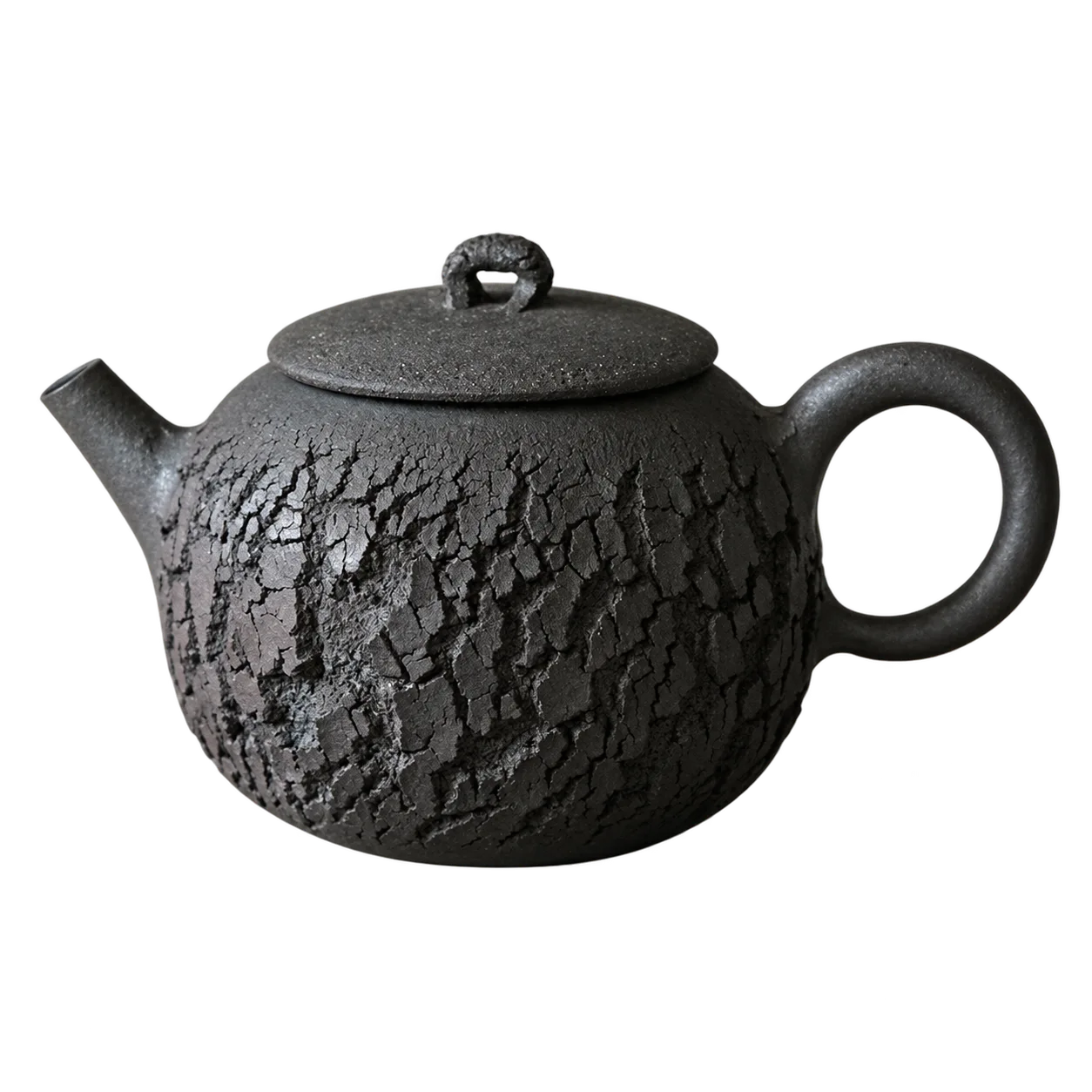
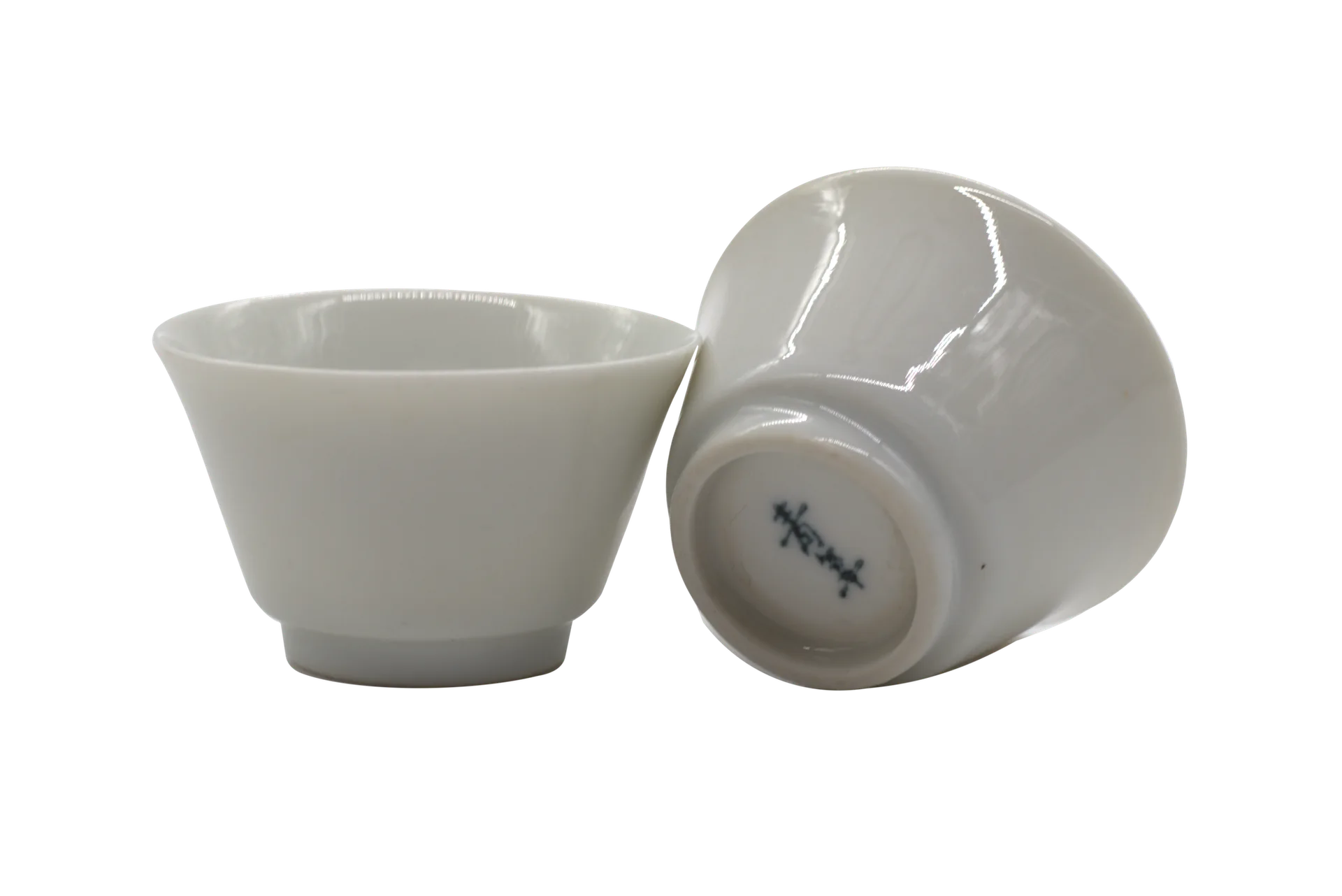
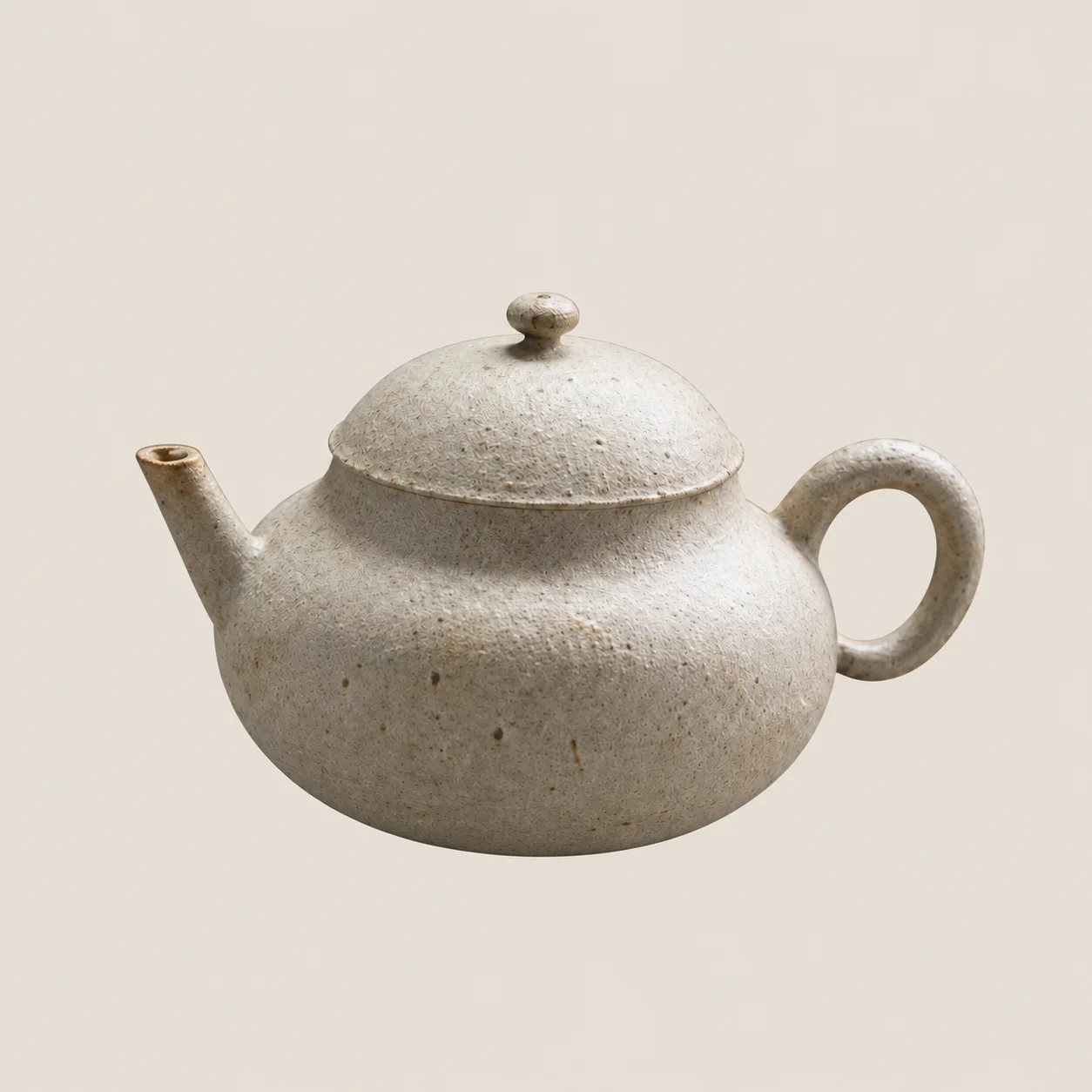
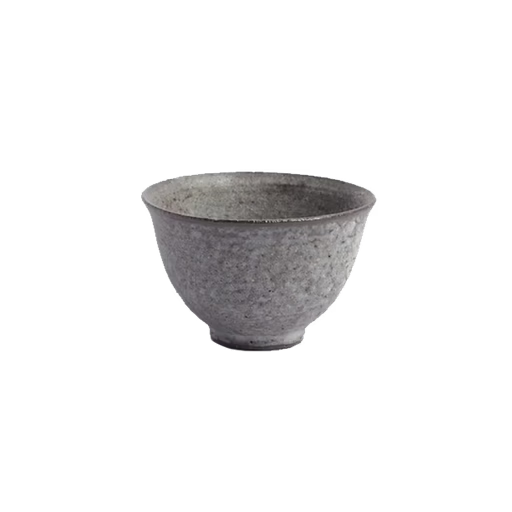
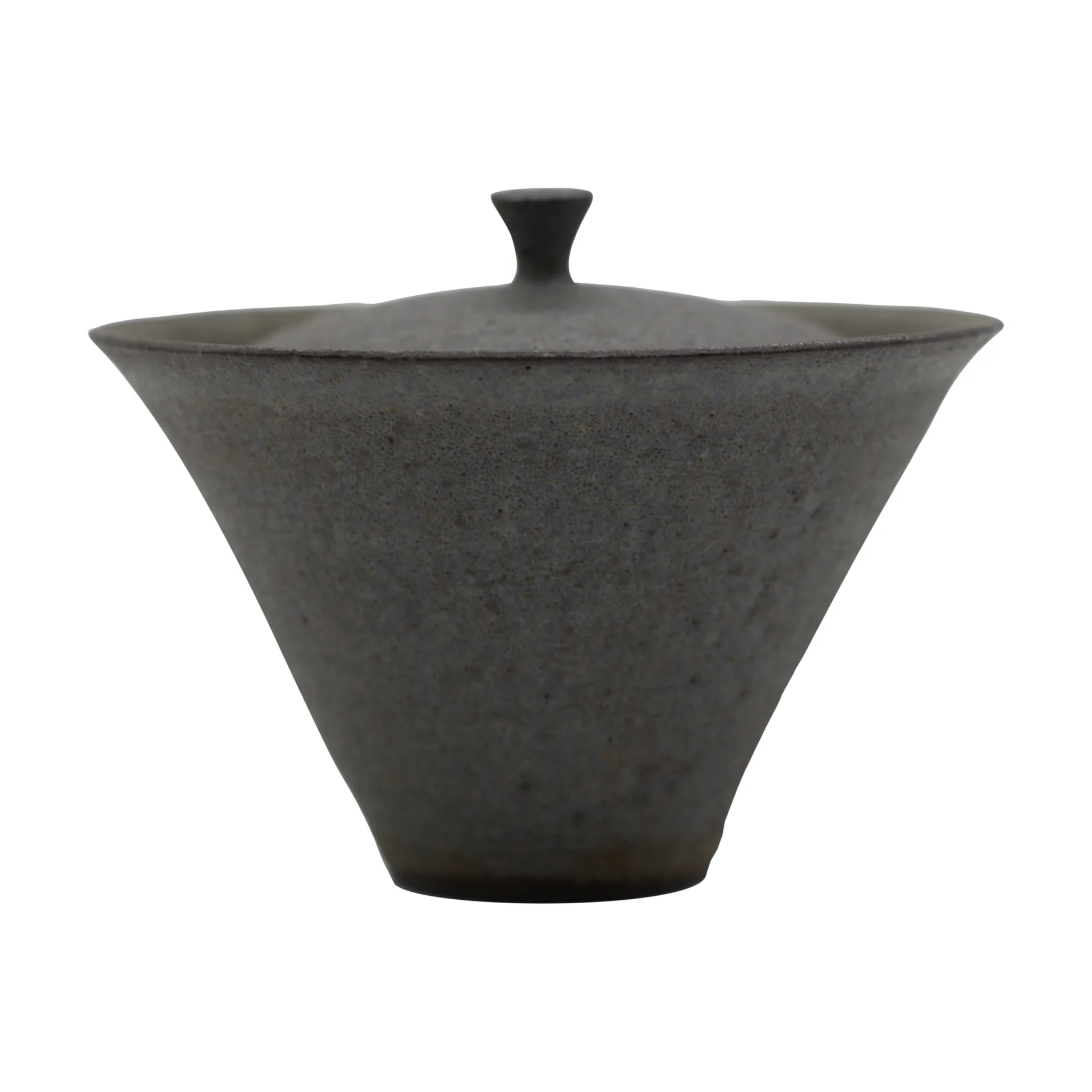
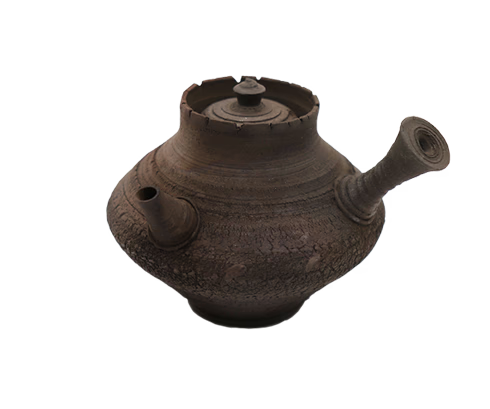
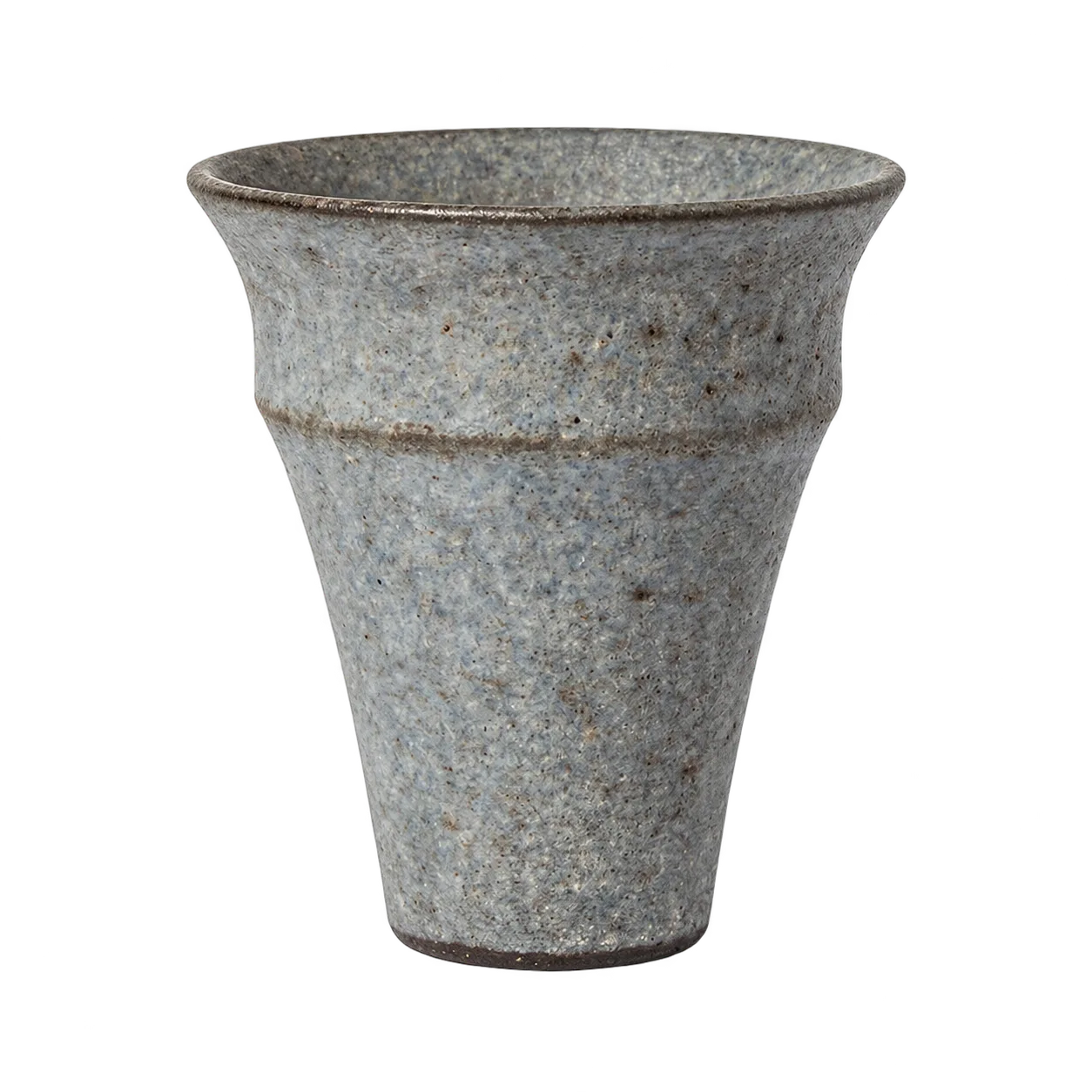
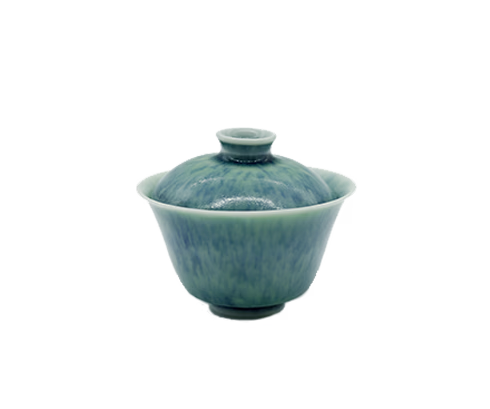
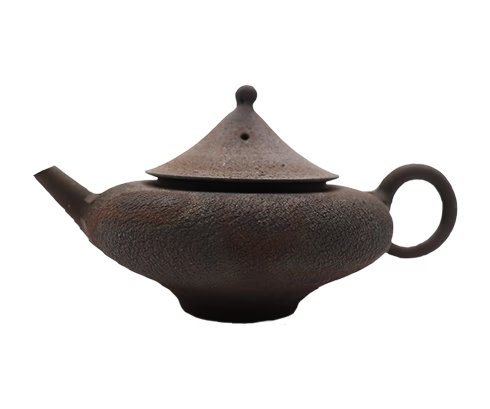
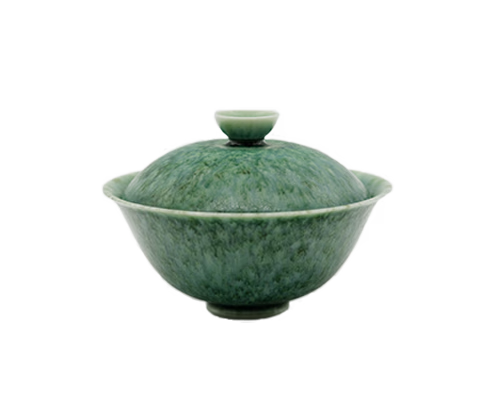
- A porcelain gaiwan or small teapot, 100 to 110 ml
- Tea amount
- 5 g
- Water
- Filtered water or low TDS spring water
100°C / 212°F - Preparation
- Warm the vessel. Rinse for about 5 seconds and discard. Repeat briefly if the compressed piece has not begun to loosen.
Use a vessel that pours quickly and drain it completely between rounds. If the opening cups feel too concentrated, use a little less leaf or pour sooner. Let later infusions lengthen gradually as the buds give up their sweetness.
Infusion timings
- 1st 3rd infusions
- Flash steeps: begin pouring after 3 to 5 seconds
- Following infusions
- Keep steeps short while the cup remains rich. Add 3 to 5 seconds at a time as the flavour softens.
Empty the vessel fully between pours and adjust the timing to taste.
Water ratio
Start with 5 g of tea per 100 to 110 ml of water.
Measure the water used in each infusion. Reuse the same leaves and adjust the quantity for a lighter or fuller cup.
Storage
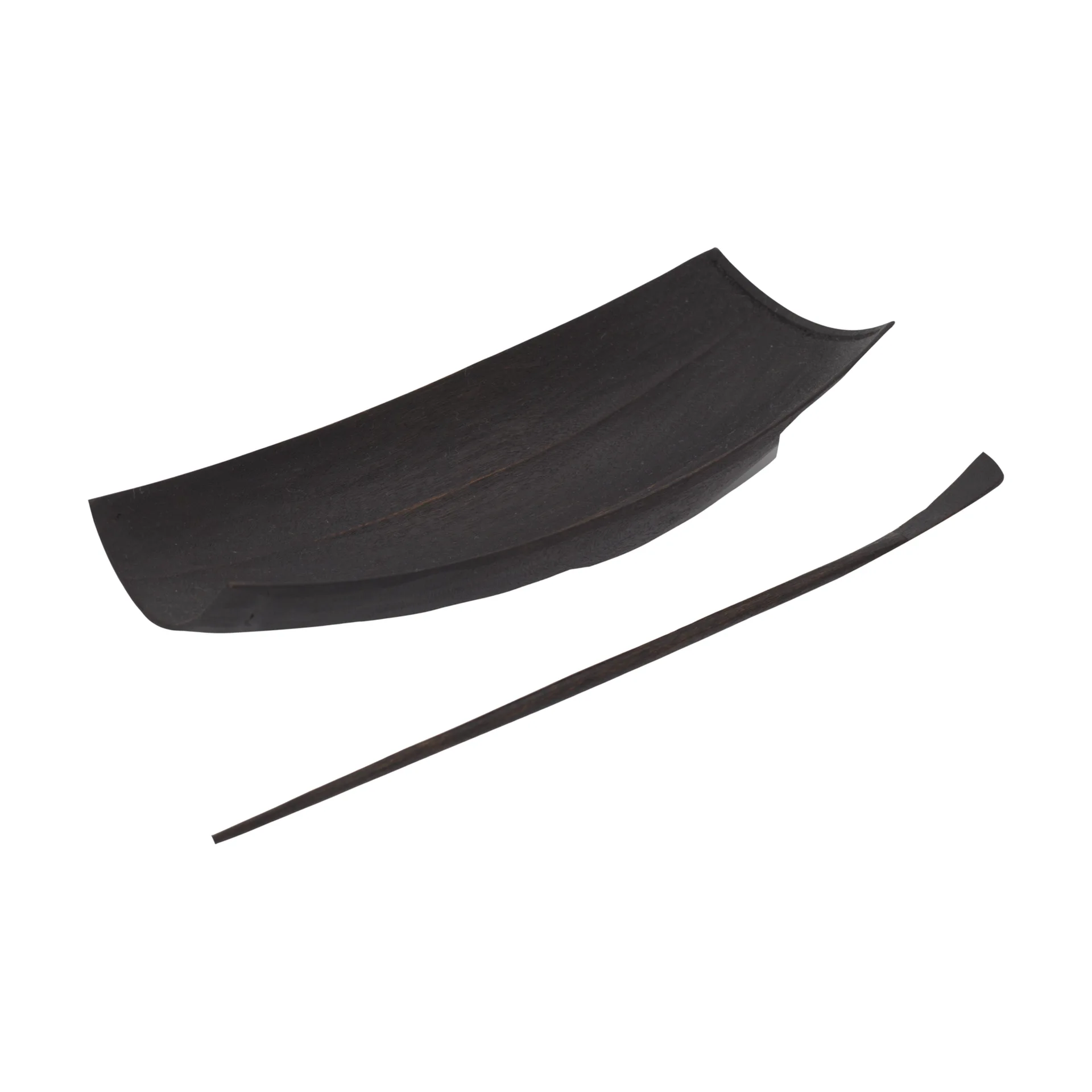
Ease a small piece from the edge with a tea pick, separating the layers gently to preserve the delicate buds. Keep your free hand clear of the tool’s path.
Return the cake to its wrapper and keep it in clean, stable conditions, away from sunlight, strong smells, kitchen steam and damp. Avoid crushing the remaining tea; broken fragments can make the first infusions stronger and harder to control.
Tasting notes
Softness in the cup
Golden Needle
Tribute
Sweet pastry and cocoa
Golden Needle Tribute opens with a soft, inviting aroma of sweet pastry and cocoa powder. A quiet dried fruit note sits behind that warmth, giving the fragrance depth while keeping its character gentle and clean.
Milk chocolate, vanilla and dark honey
The first sip brings creamy milk chocolate, followed by a delicate vanilla impression and the comforting warmth of toasted malt. Dark honey sweetness is present from the opening infusions, rounding the flavours into a mellow, cohesive cup. Bitterness stays very low with brief steeps, allowing the sweeter notes to come forward.
Ruby colour and a velvety texture
The liquor is clear and luminous, moving from deep ruby to burgundy as the infusion strengthens. It glides across the palate with a soft, creamy texture. The body feels supple and smooth, carrying its flavours lightly compared with the dense, syrupy weight of Bawang.
A clean, gently sweet finish
Honey and cocoa linger after the sip, with a subtle fruit note returning as the cup cools. Successive infusions reveal a quieter balance of malt, sweetness and creaminess. The fine buds give a generous opening, so short steeps help preserve the tea’s elegance throughout the session.
← Return to the ripe Pu’er collectionOrigin & processing
The place behind the leaf
Menghai County
Xishuangbanna
Menghai 勐海 · Xishuangbanna 西双版纳
Yunnan · China
A home of ripe Pu’er
Golden Needle Tribute comes from Menghai County in Xishuangbanna, southern Yunnan. The area is one of Pu’er’s important centres of cultivation and tea making, with generations of experience in selecting leaf and developing its character through processing.
Menghai has a particularly close association with ripe Pu’er. Its fermentation tradition helped shape the style’s familiar combination of deep colour, mellow flavour and smooth texture. Within that tradition, this cake places its emphasis on fine buds and a gentle, immediately sweet cup.
The bud selection
This cake is made entirely from small, delicate young tea buds. Their fine size and tenderness place the material in the Gong Ting 宫廷, or Palace Grade, category. The term describes a fine, bud rich grade of ripe Pu’er; the care taken in processing and storage also matters to the finished tea.
From fresh buds to maocha
The young buds are allowed to soften, heated to slow enzymatic oxidation, gently rolled and sun dried. This produces maocha, the dry base material that will undergo fermentation. Careful handling helps retain the fine tips through these early stages.
Wet piling and the golden tips
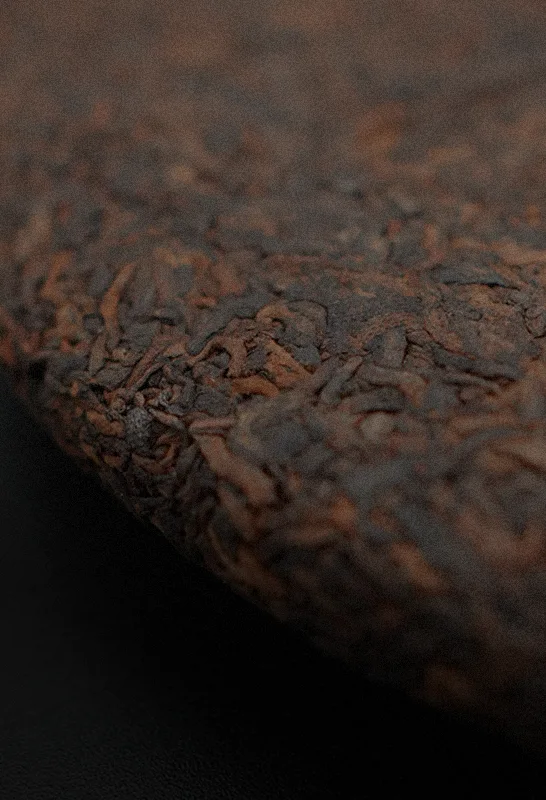
During wo dui 渥堆, moisture, warmth and microbial activity transform the tea. The buds develop warm golden orange and reddish brown tones, with their fine down and slender shape giving the finished material its needle like appearance.
Such small material needs close attention during fermentation. Turning and managing the pile helps distribute heat and moisture, while careful drying brings the process to its intended finish. The result depends on how the producer handles the material throughout, as well as on the grade itself.
Grading, sorting and pressing
After fermentation and drying, the tea is graded and sorted to select the fine bud material for the cake. Steam then makes the buds pliable enough to press. The shaped cake is dried thoroughly before wrapping, preserving a compact form that can be opened a little at a time.
Why the first steeps are brief
The small buds infuse readily once the cake begins to loosen. A long opening steep can make even this soft tea overly concentrated. Quick pours allow the cocoa, vanilla and honey notes to remain distinct, then longer infusions draw out the remaining sweetness as the session progresses.