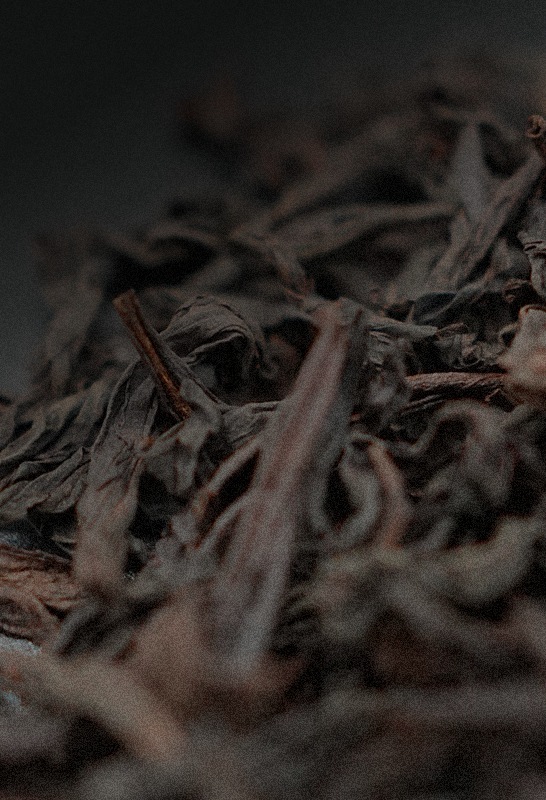
Lao CongBaxian
A moment for tea
An old bush Dan Cong.
From Shiguping.
Rooted in the Fenghuang Mountains.
- Tea
- Lao Cong Baxian
- Type
- Phoenix Dan Cong oolong
- Origin
- Shiguping, Fenghuang, Chaozhou, Guangdong, China
- Harvest
- 2026
- Cultivar
- Baxian (八仙)
- Bush
- Lao Cong · Old bush
- Format
- Loose leaf
Brewing guide
A practical starting point: plenty of leaf, freshly boiled water and quick, complete pours. Adjust each infusion to taste.
- Teaware
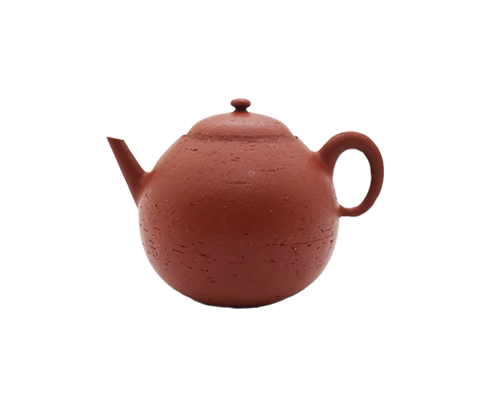
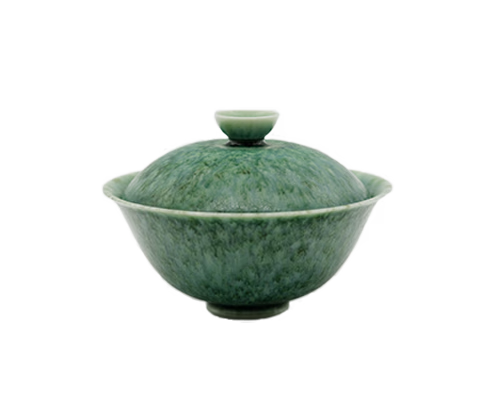
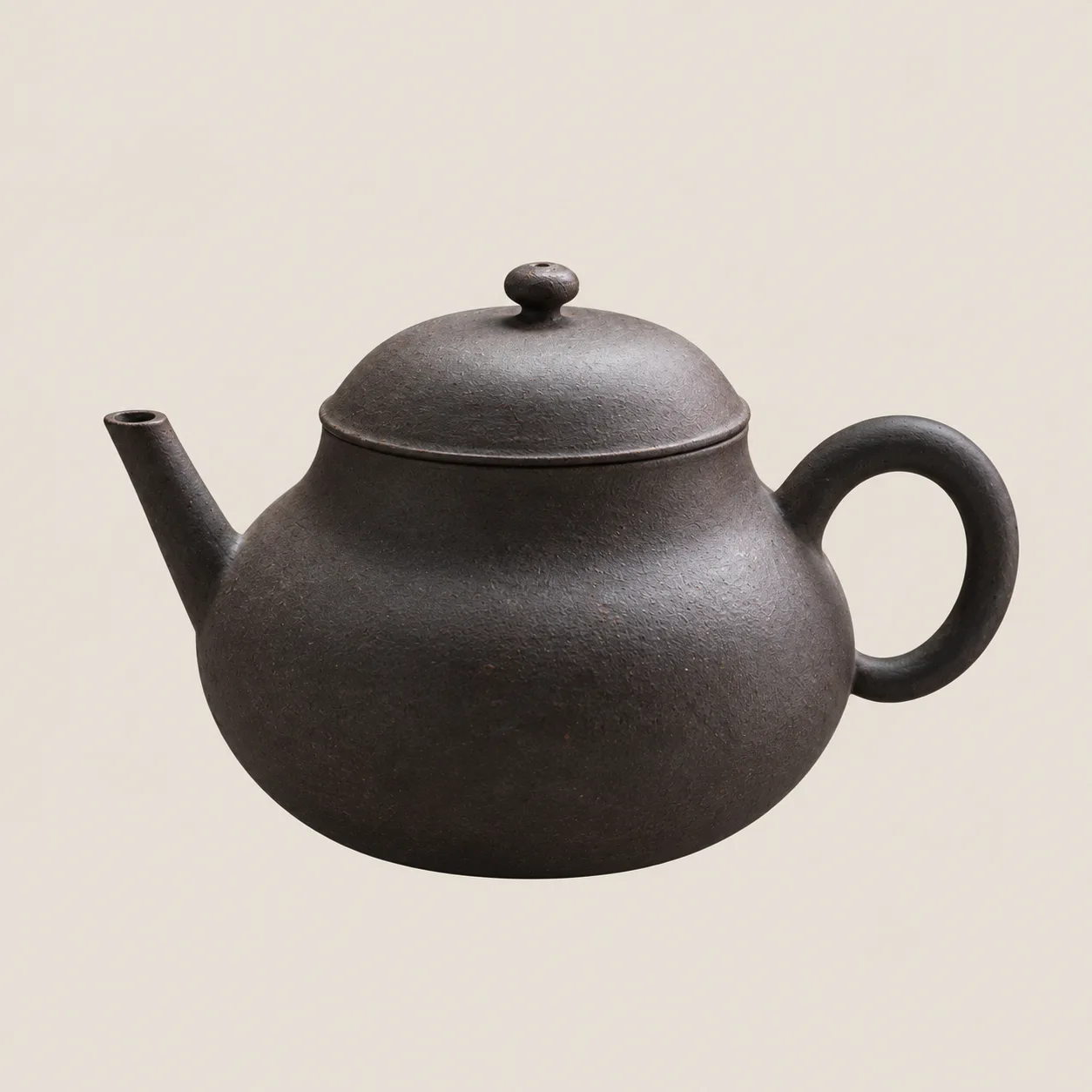
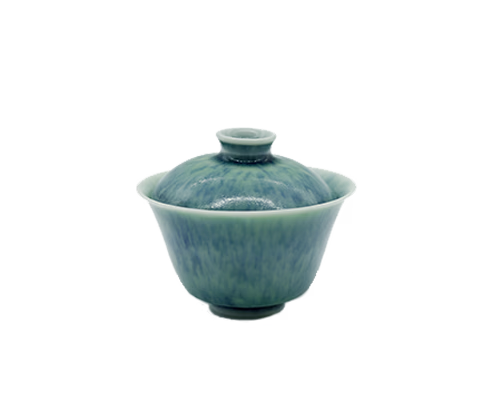
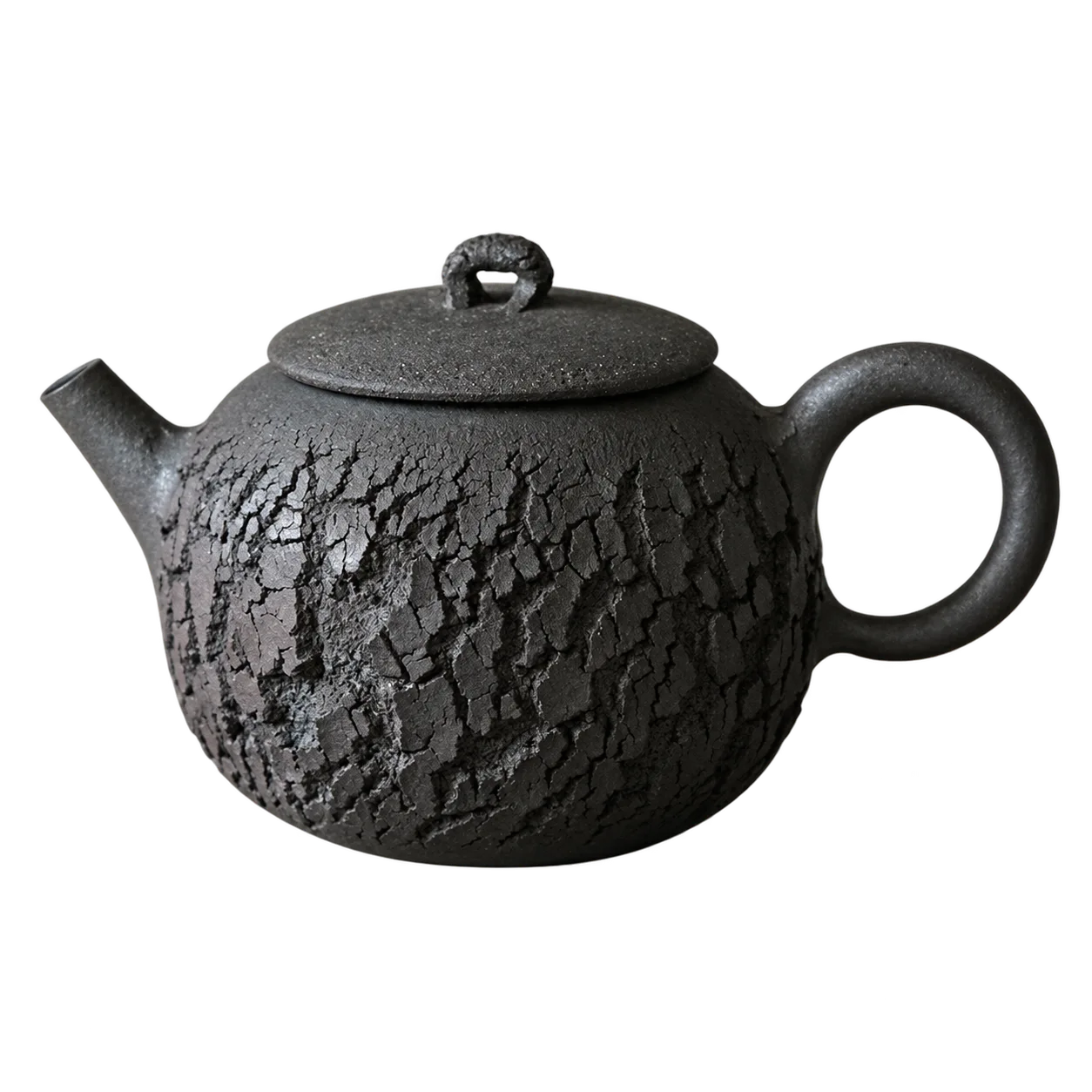
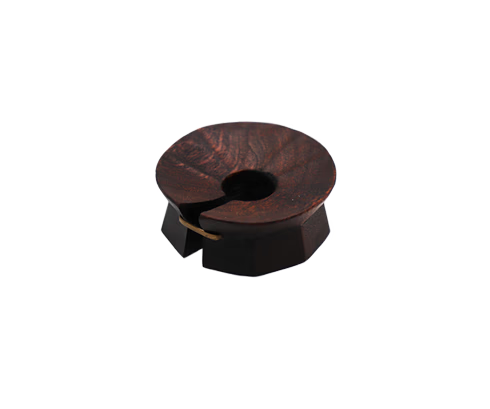
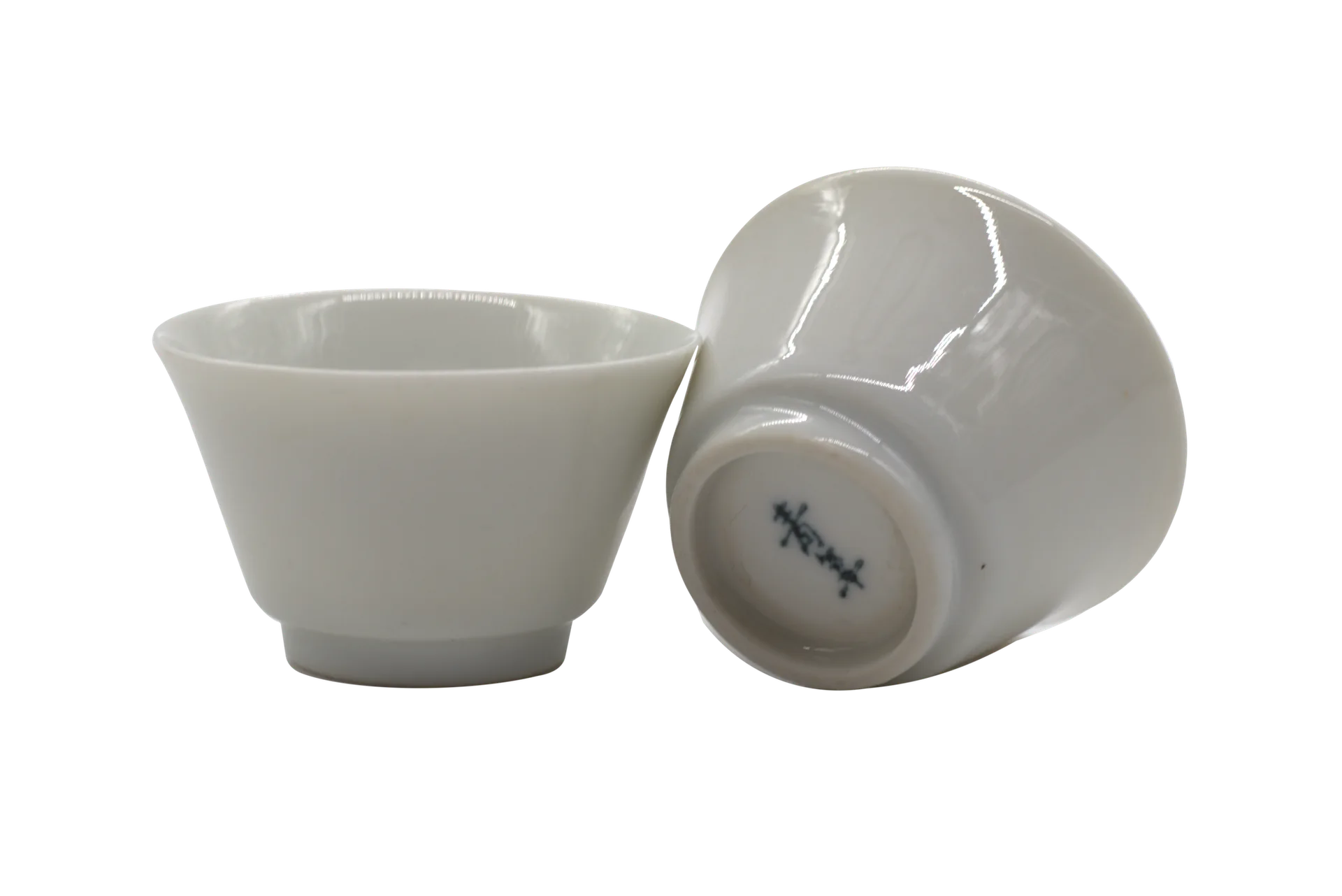
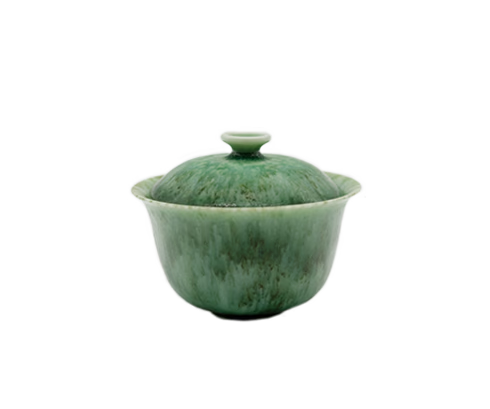
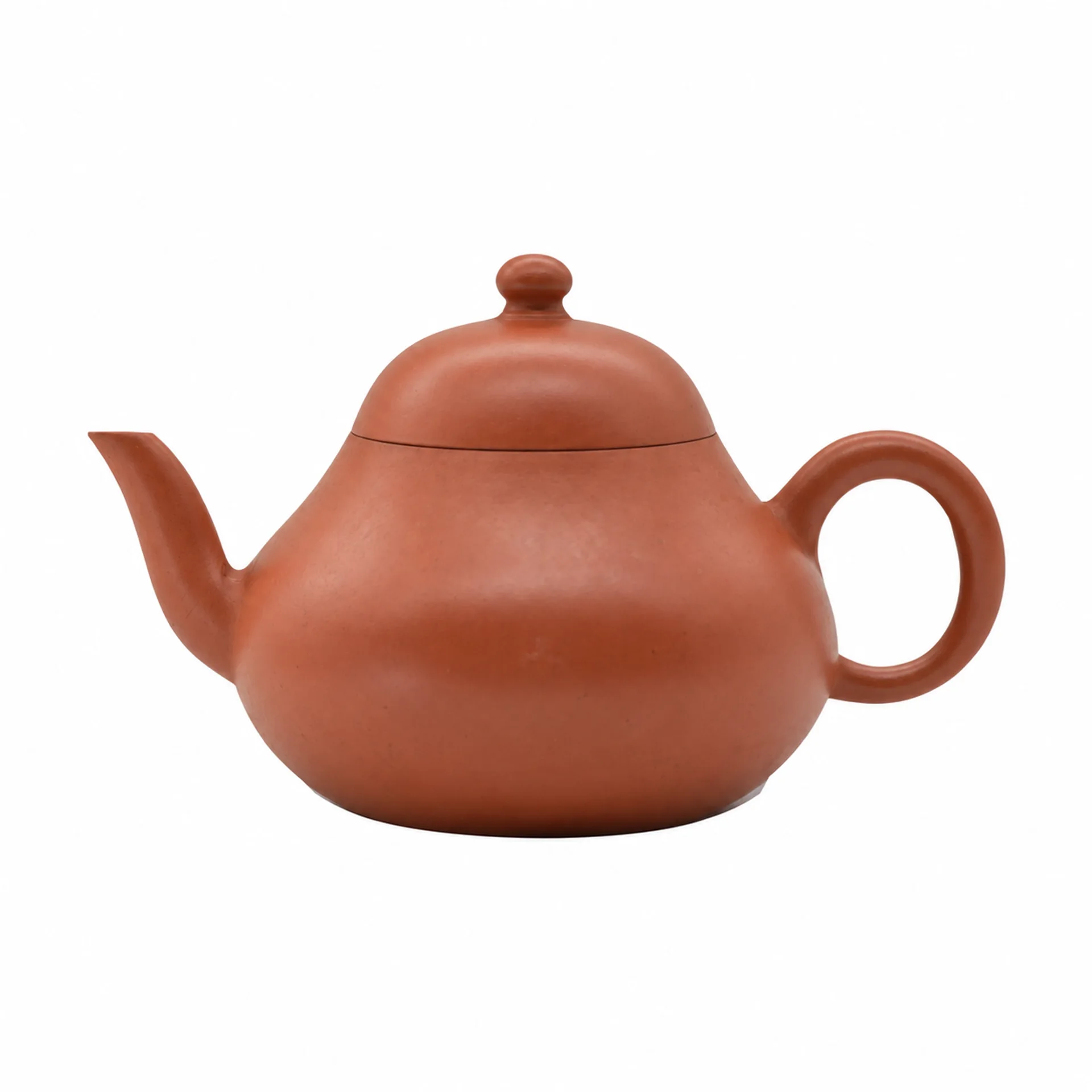
- A small Chaozhou clay teapot or porcelain gaiwan, around 100 to 110 ml
- Tea amount
- 7 to 8 g per 100 to 110 ml
- Water
- Freshly boiled water, approximately 100°C / 212°F
- Preparation
- Warm the vessel and cups. Add the leaf; if rinsing, pour off immediately.
For traditional small cup service, distribute the liquor in alternating passes so each cup receives a similar strength. A sharing pitcher also works.
If the cup becomes bitter or drying, shorten the next infusion or reduce the leaf on your next session. Continue while the tea remains enjoyable.
Adjust the leaf and timing to find your preferred balance.
Infusion timings
- Infusions 1 to 3
- Begin pouring out after about 3 seconds. Drain completely and promptly.
- Infusion 4 onward
- Add roughly 2 to 3 seconds as the flavour softens; extend further in later rounds.
Empty the vessel fully between pours and adjust the timing to taste.
Water ratio
Start at approximately 1 g of leaf per 14 to 15 ml of water.
| Water | Tea |
|---|---|
| 100 ml | 7 g |
| 110 ml | 8 g |
| 140 ml | 9 to 10 g |
Use the same leaves throughout the session. Keep the first pours quick at this ratio.
Storage
Keep the tea well sealed in a cool, dry place, away from sunlight, moisture and strong smells. Reseal the packaging after each use to protect its fragrance.
Tasting notes
From landscape to cup
Lao Cong
Baxian
Baxian means “Eight Immortals,” a name drawn from Chinese folklore. Lao Cong means “old bush,” referring to the mature tea plants. This Lao Cong Baxian comes from Shiguping, a tea growing village within the Fenghuang mountain region of Chaozhou. It belongs to the Dan Cong oolong tradition of eastern Guangdong, where the identity of the plant and the skill of the tea maker are central to each tea’s expression.
The name brings together two distinctions: Baxian, the variety, and Lao Cong, the old bush designation. Its setting is equally part of the story a mountain community where tending tea gardens, processing leaves and sharing tea remain closely connected.
Baxian brings an orchid like fragrance, with fruit aromatics, warm spice and baked notes. The cup is mellow and refreshing and a persistent sweet finish.
← Return to the oolong collectionOrigin & processing
The place behind the leaf
Fenghuang
The tea gardens of Shiguping
Shiguping 石古坪 · Chaozhou · Guangdong
A mountain tea region
The Fenghuang Mountains rise to the north of Chaozhou in eastern Guangdong. Their ridges and valleys form one of the principal landscapes of Phoenix Dan Cong production. Tea gardens are part of a wider landscape of mountain settlements, waterways and forested slopes.
Regional climate research describes a humid mountain environment, with frequent cloud and mist at higher elevations. Conditions change with height and exposure, so nearby gardens can experience different combinations of sunlight, moisture and temperature. This variety of growing conditions is part of the region’s agricultural character.
From the village to the highest summit
Shiguping’s village landscape has a reported average elevation of more than 870 metres (2,854 feet). Its settlements lie along the western side of Dazhi Mountain, within the wider Fenghuang region. This is a village level reference, rather than a measured elevation for the garden that produced this tea.
A wider landscape of tea villages
Wudong and its settlements of Lizaiping and Shitoujiao occupy the higher part of this comparison. Other documented locations include Da’an, Zhongping, Pingkengtou, Guantoushe, Jiaoshuikeng, Shenya, Funan, Dongjiao and Fengxi. Shiguping is highlighted as the origin supplied for this Baxian. The figures describe different reference points, so they should not be read as village wide altitude limits or a ranking of tea quality.
Elevation sources & how to read the chart
Tea garden survey points:. Values are rounded to the nearest metre; feet are approximate.
Other references:;;;. Reported sites and village averages are not surveyed village ranges.
Shiguping and its She heritage
Shiguping is a She village in Fenghuang Town, within Chao’an District. Tea cultivation is woven into the community’s livelihood and local heritage. Guangdong’s account of traditional oolong craftsmanship records Shiguping’s own inherited tea growing tradition, passed through generations of She growers.
The village is also known for Shiguping Wulong, a distinct local tea tradition. That regional history provides context for the place; this particular tea is identified as Baxian. Keeping the village and the variety distinct helps preserve the identity of both.
Water and everyday cultivation
Mountain water is a practical part of tea farming here. A local government report describes Shiguping residents collecting spring fed flows in an irrigation reservoir to make water more accessible to their gardens. Alongside the landscape, it is this everyday work maintaining water supplies, tending plants and carrying knowledge forward that sustains the village’s tea culture.