Lao CongMilanxiang
A moment for tea
Honey, orchid and ripe peach.
Lychee, dried fruit and warm spice.
Old bush depth with a lingering sweetness.
- Tea
- Lao Cong Milanxiang
- Type
- Phoenix Dan Cong oolong
- Origin
- Fengxi, Fenghuang Mountains, Chaozhou, Guangdong, China
- Cultivar
- Mi Lan Xiang (蜜兰香)
- Bush
- Lao Cong · Old bush
- Format
- Loose leaf
Brewing guide
A practical starting point: plenty of leaf, freshly boiled water and quick, complete pours. Adjust each infusion to taste.
- Teaware
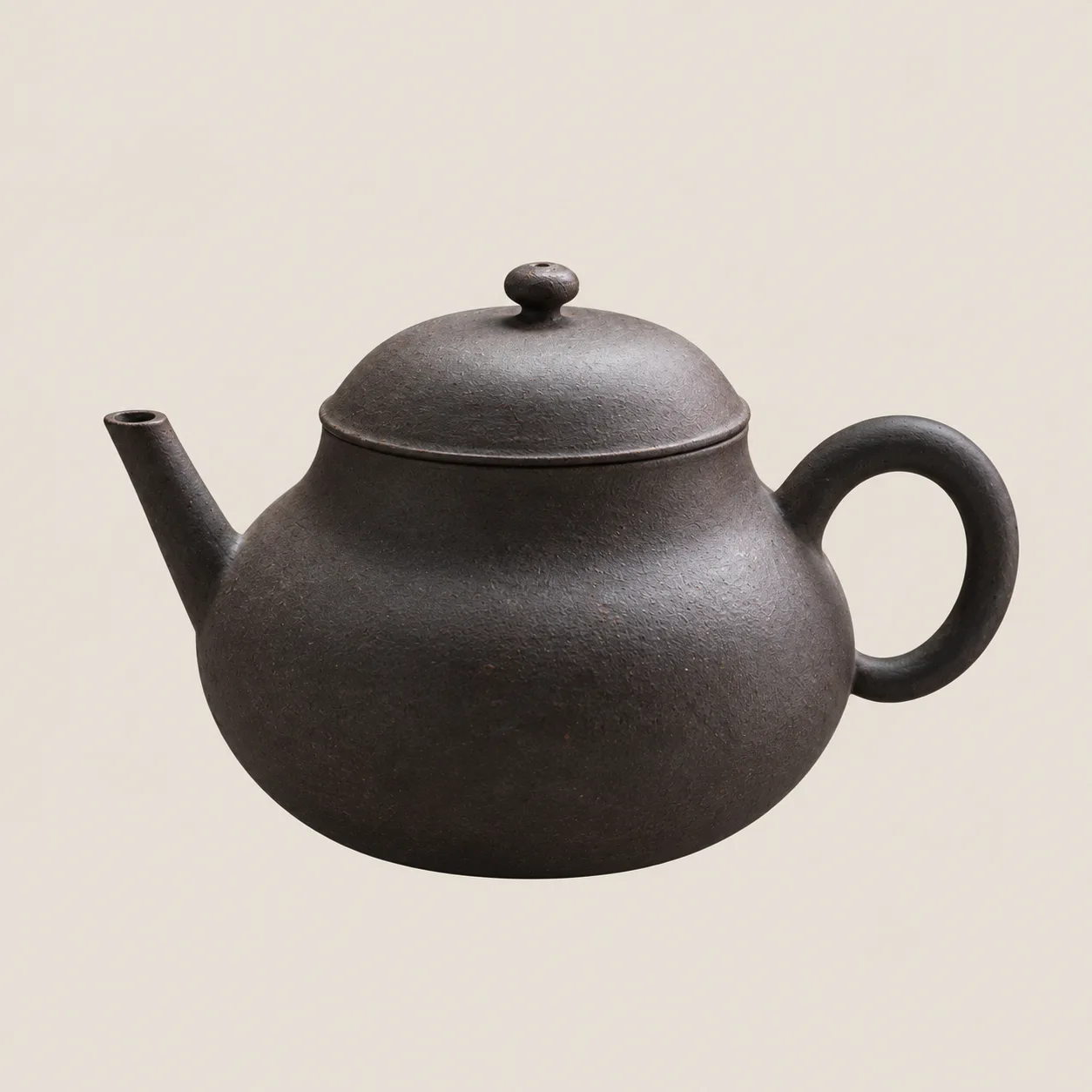
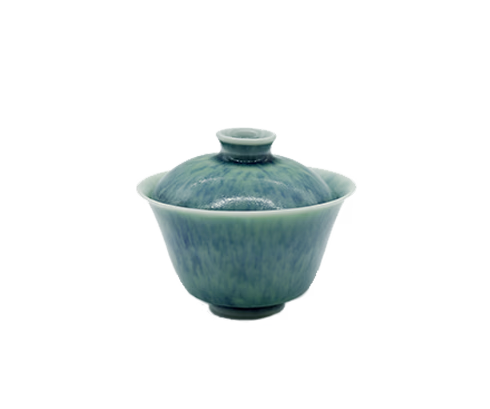
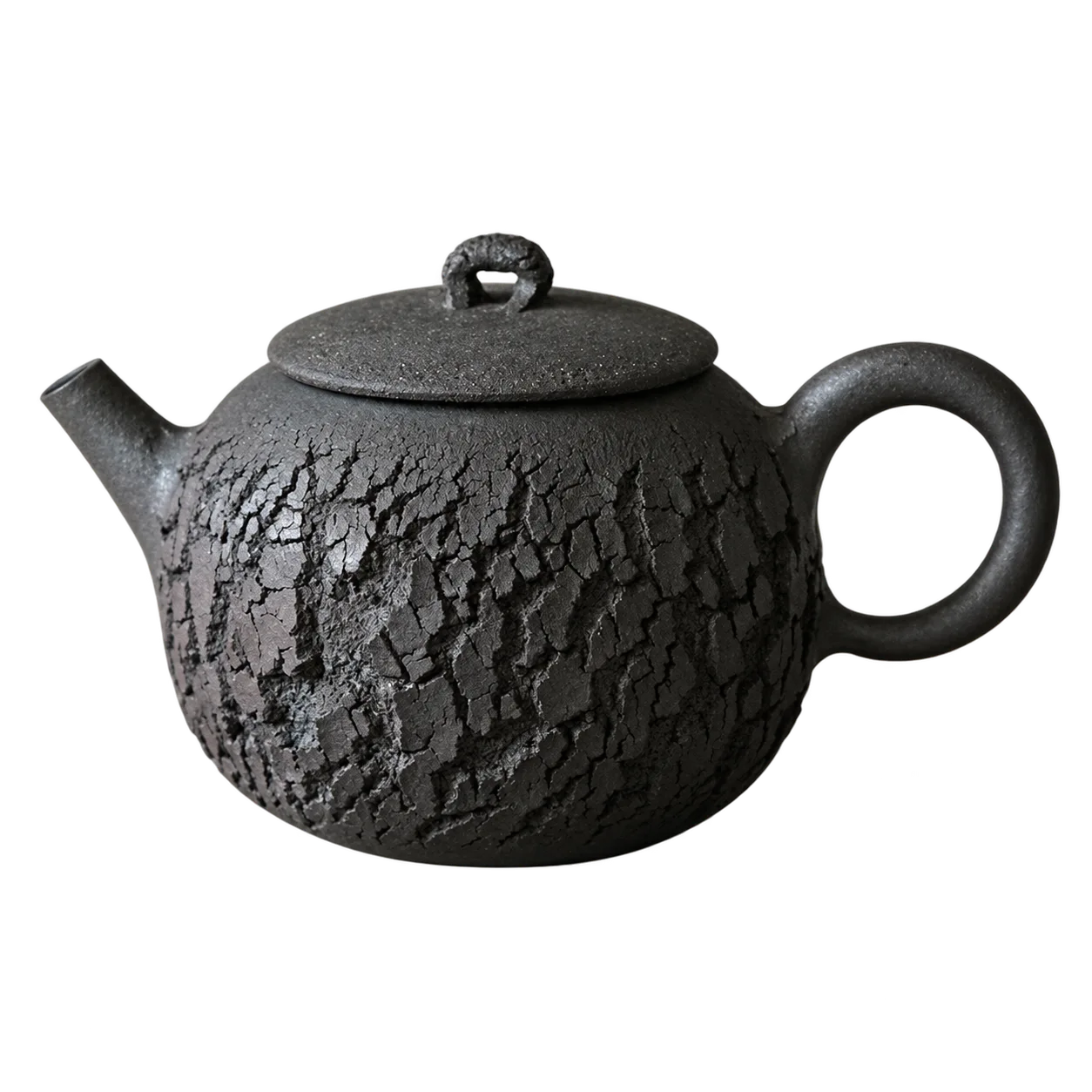
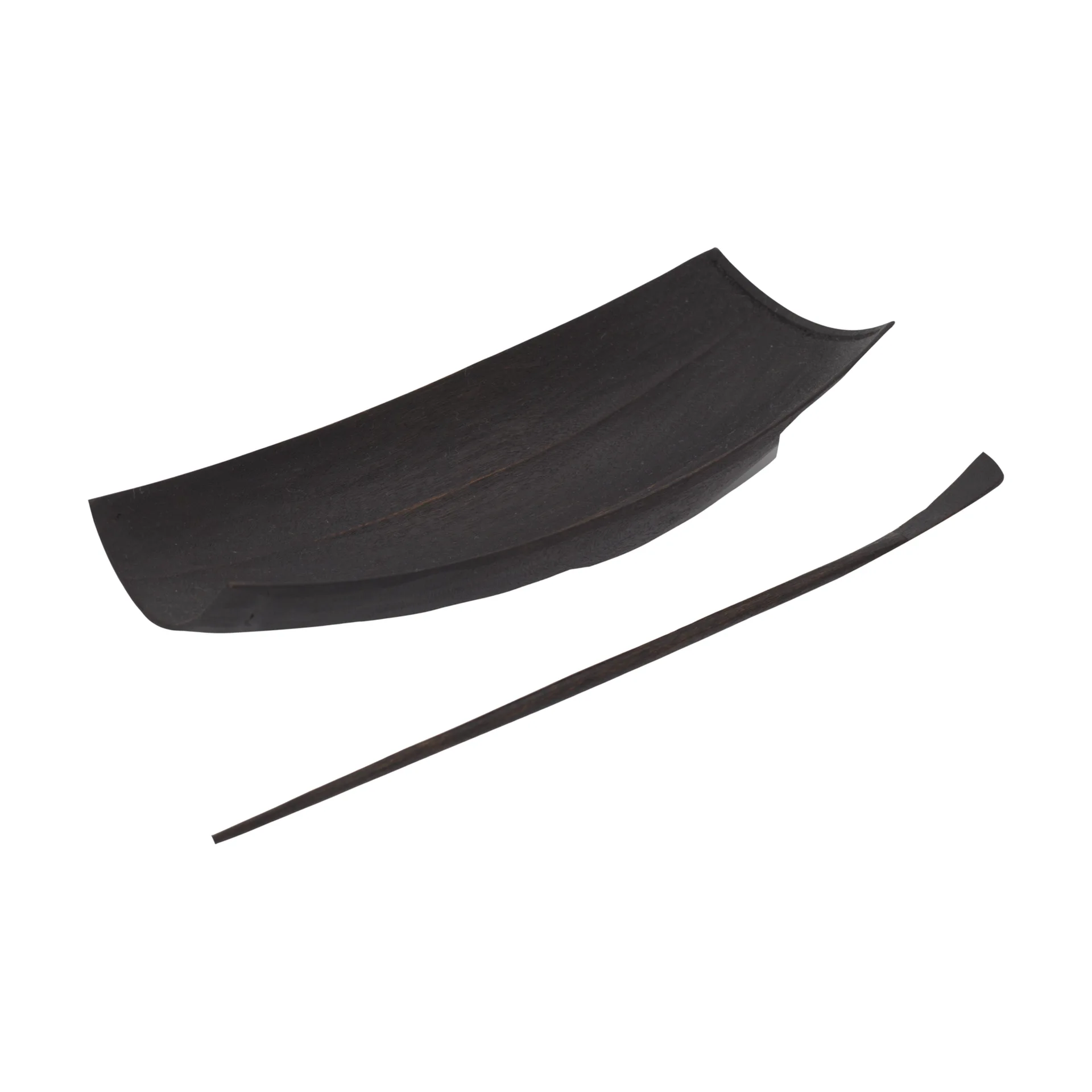
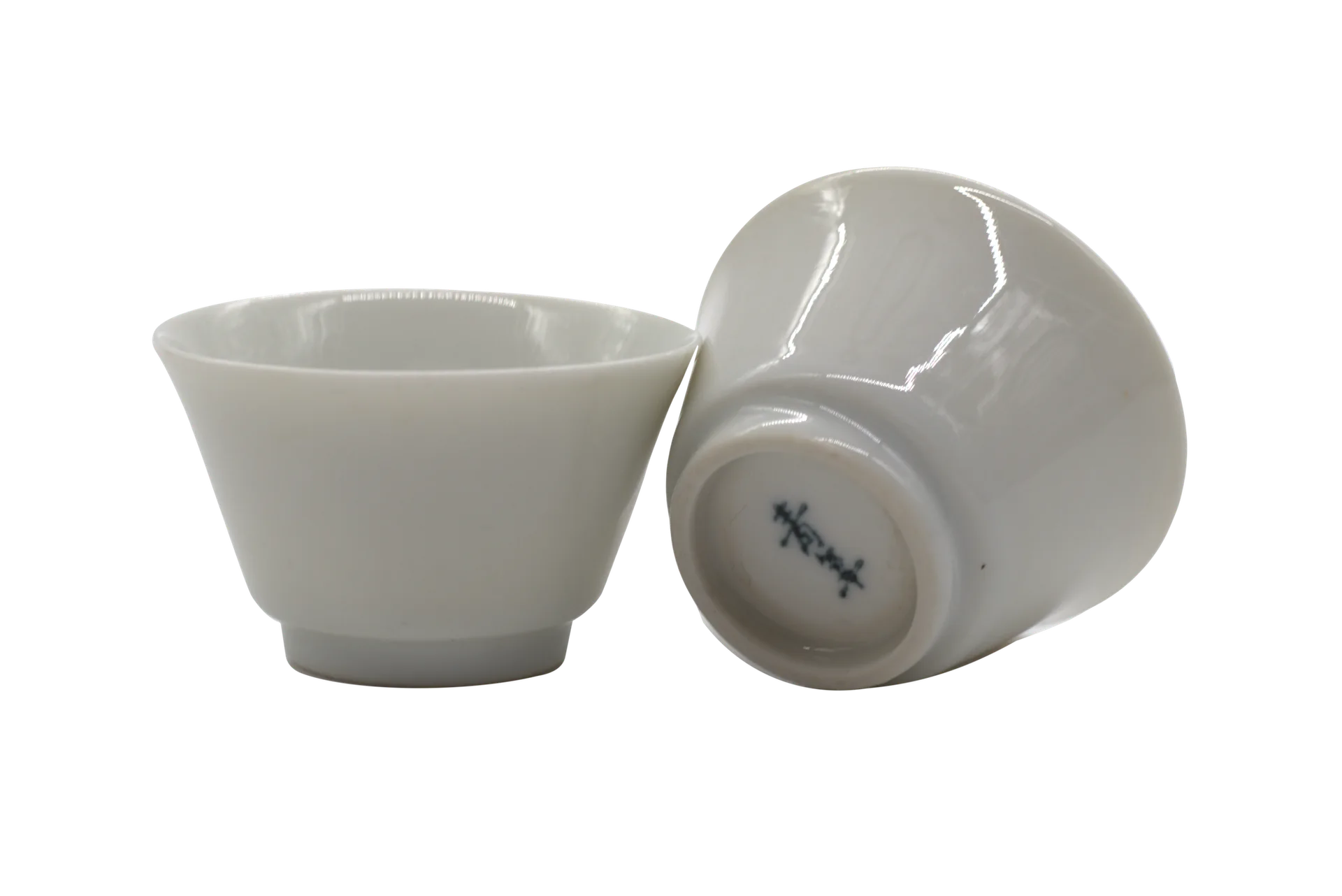
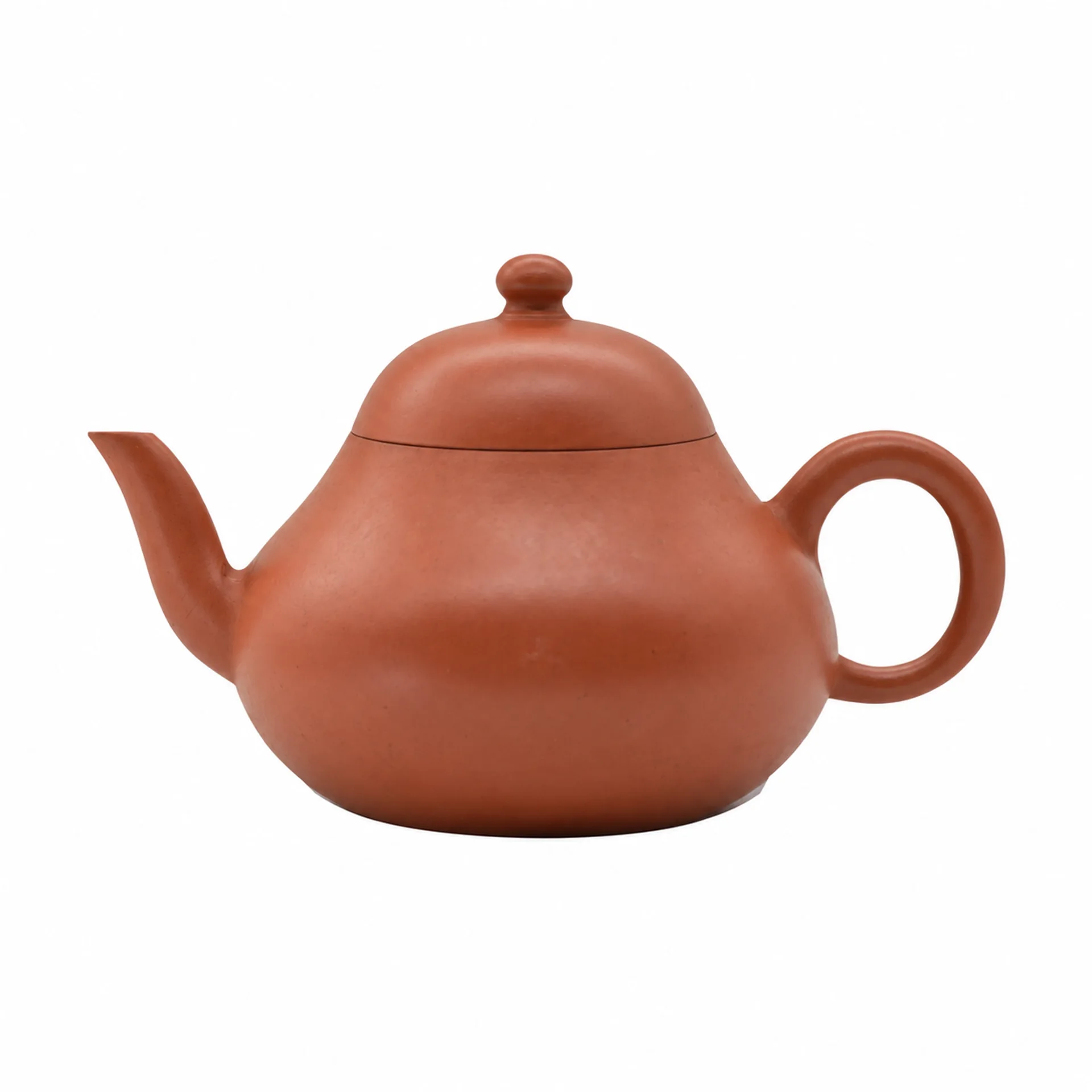
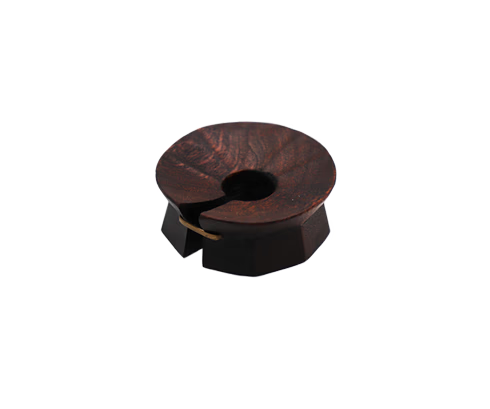
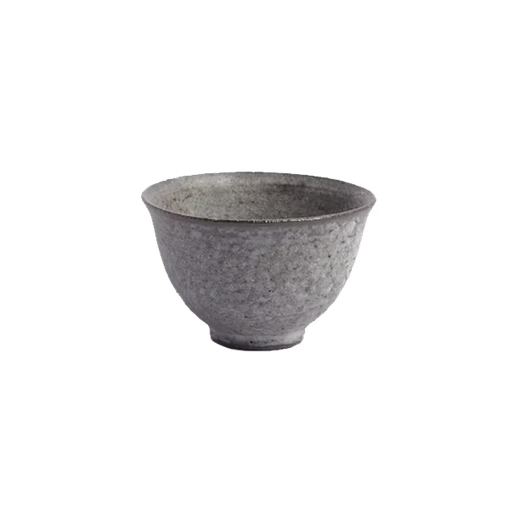
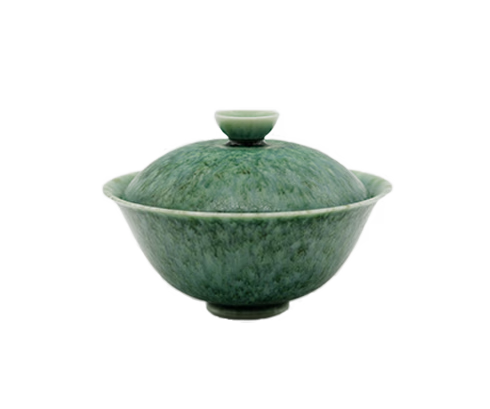
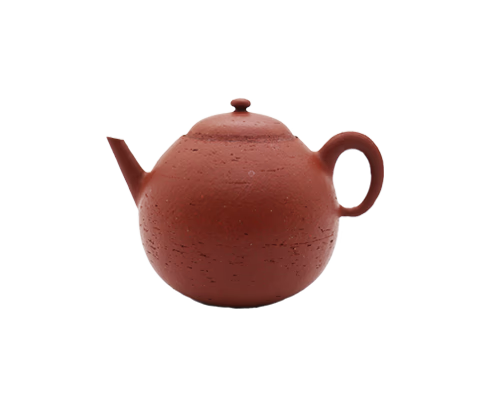
- A small Chaozhou clay teapot or porcelain gaiwan, around 100 to 110 ml
- Tea amount
- 7 to 8 g per 100 to 110 ml
- Water
- Freshly boiled water, approximately 100°C / 212°F
- Preparation
- Warm the vessel and cups. Add the leaf; if rinsing, pour off immediately.
For traditional small cup service, distribute the liquor in alternating passes so each cup receives a similar strength. A sharing pitcher also works.
If the cup becomes bitter or drying, shorten the next infusion or reduce the leaf on your next session. Continue while the tea remains enjoyable.
Adjust the leaf and timing to find your preferred balance.
Infusion timings
- Infusions 1 to 3
- Begin pouring out after about 3 seconds. Drain completely and promptly.
- Infusion 4 onward
- Add roughly 2 to 3 seconds as the flavour softens; extend further in later rounds.
Empty the vessel fully between pours and adjust the timing to taste.
Water ratio
Start at approximately 1 g of leaf per 14 to 15 ml of water.
| Water | Tea |
|---|---|
| 100 ml | 7 g |
| 110 ml | 8 g |
| 140 ml | 9 to 10 g |
Use the same leaves throughout the session. Keep the first pours quick at this ratio.
Storage
Keep the tea well sealed in a cool, dry place, away from sunlight, moisture and strong smells. Reseal the packaging after each use to protect its fragrance.
Tasting notes
From landscape to cup
Lao Cong
Milanxiang
Honey orchid fragrance
Mi Lan Xiang means “honey orchid aroma”: mi means honey, lan means orchid and xiang means fragrance. Lao Cong means “old bush,” describing the mature tea plants. The flowers and honey are natural impressions of the tea, with no flavourings added.
Orchid, ripe peach and lychee
A rich floral fragrance opens the cup before ripe peach and lychee bring a softer fruit sweetness. Orchid remains present through the sip, giving the aroma lift above the fuller texture beneath it.
Honey and dried fruit
The sweetness deepens into a wildflower honey impression, accompanied by dried apricot and other warm fruit notes. It is more layered than a simple sugary taste, carrying both fragrance and a rounded sense of body.
Warm spice and old bush depth
Gentle spice, quiet wood and a mineral structure support the flowers and fruit. The mature leaf material gives this expression a grounded character, balancing its high fragrance with depth and persistence.
The returning sweetness
After swallowing, honeyed sweetness gradually returns as the floral aroma lingers. This hui gan is especially rewarding between pours. Later infusions often bring the honey, ripe fruit and restrained mineral notes further forward.
← Return to the oolong collectionOrigin & processing
The place behind the leaf
Fengxi
Honey orchid country
Fengxi · Fenghuang Mountains · Guangdong
Fengxi in the Phoenix Mountains
This Lao Cong Milanxiang comes from Fengxi in the Fenghuang Mountains of Chaozhou, Guangdong. Humid weather, abundant rain and a varied mountain landscape form the setting for Phoenix Dan Cong’s expressive fragrance.
The Dan Cong tradition
Phoenix Dan Cong lineages developed from the local Fenghuang Shui Xian tea population. Their names often describe naturally occurring aromas, with Mi Lan Xiang celebrated for its combination of honeyed sweetness and orchid fragrance.
What Lao Cong describes
Lao Cong identifies mature tea bushes rather than a separate cultivar. Here, the tea remains Mi Lan Xiang. Older plants are valued for the depth, texture and persistent finish they can bring beneath the more immediately floral aromas.
Sun withering and cooling
After picking, gentle sunlight begins reducing moisture in the fresh leaf. The leaves then cool and rest before the next stage. Careful handling prepares them for the repeated movement and resting that develop their fragrance.
Tossing and oxidation
During lang qing, the leaves are gently tossed, bruising their edges while much of the centre remains intact. Movement alternates with rest as partial oxidation develops the floral and fruit aromas. The maker follows the leaf and weather to judge each cycle.
Heat fixation, rolling and drying
Kill green heating stops enzymatic oxidation at the chosen point. Rolling shapes the leaves into long, twisted strips, and drying reduces the remaining moisture. The finished tea retains the substantial leaf form associated with traditional Dan Cong.
Roasting and resting
Finishing can involve successive roasts, with charcoal used in traditional production. Resting allows the toasted character and the leaf’s natural fragrance to settle together. The aim is an integrated cup in which flowers, honey and fruit remain distinct.
Mountain character
Shan yun, or mountain character, describes the deeper impression beneath the fragrance. Mineral structure, gentle bitterness, returning sweetness and persistent aroma give the tea a sense of depth as it moves through successive infusions.
Leaf and liquor
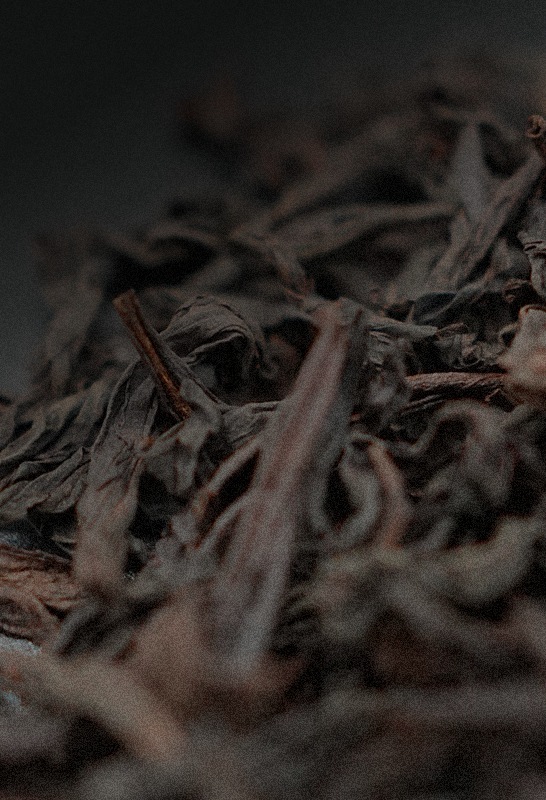
The dry tea is long and twisted, with dark brown and reddish brown tones. In water, the leaves open to show olive green, copper and reddish edges. The clear liquor ranges from golden amber to orange gold and deeper amber, depending on the infusion.
A warmer honeyed expression
Compared with the brighter white flowers and citrus of Ya Shi Xiang, Mi Lan Xiang leans toward warmer fruit and honey. Orchid moves into ripe peach, dried fruit and old bush depth before a lasting mineral sweetness completes the cup.