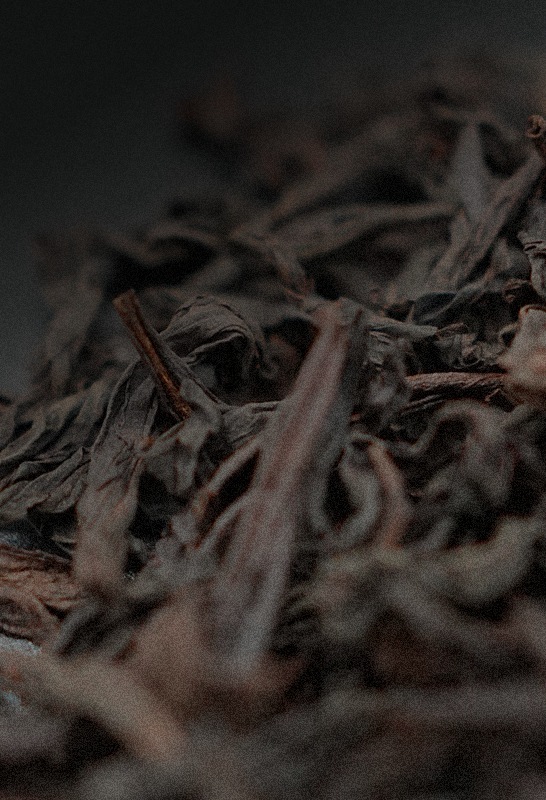
Lao CongShiguping
A moment for tea
Shiguping is the village this tea comes from; Lao Cong means “old bush,” describing its mature tea plants.
A village oolong tradition.
Soft fragrance and rounded texture.
From the Fenghuang Mountains.
- Tea
- Lao Cong Shiguping
- Type
- Phoenix oolong
- Origin
- Shiguping village, Fenghuang, Chaozhou, Guangdong, China
- Bush
- Lao Cong · Old bush
- Format
- Loose leaf
Brewing guide
A practical starting point: plenty of leaf, freshly boiled water and quick, complete pours. Adjust each infusion to taste.
- Teaware
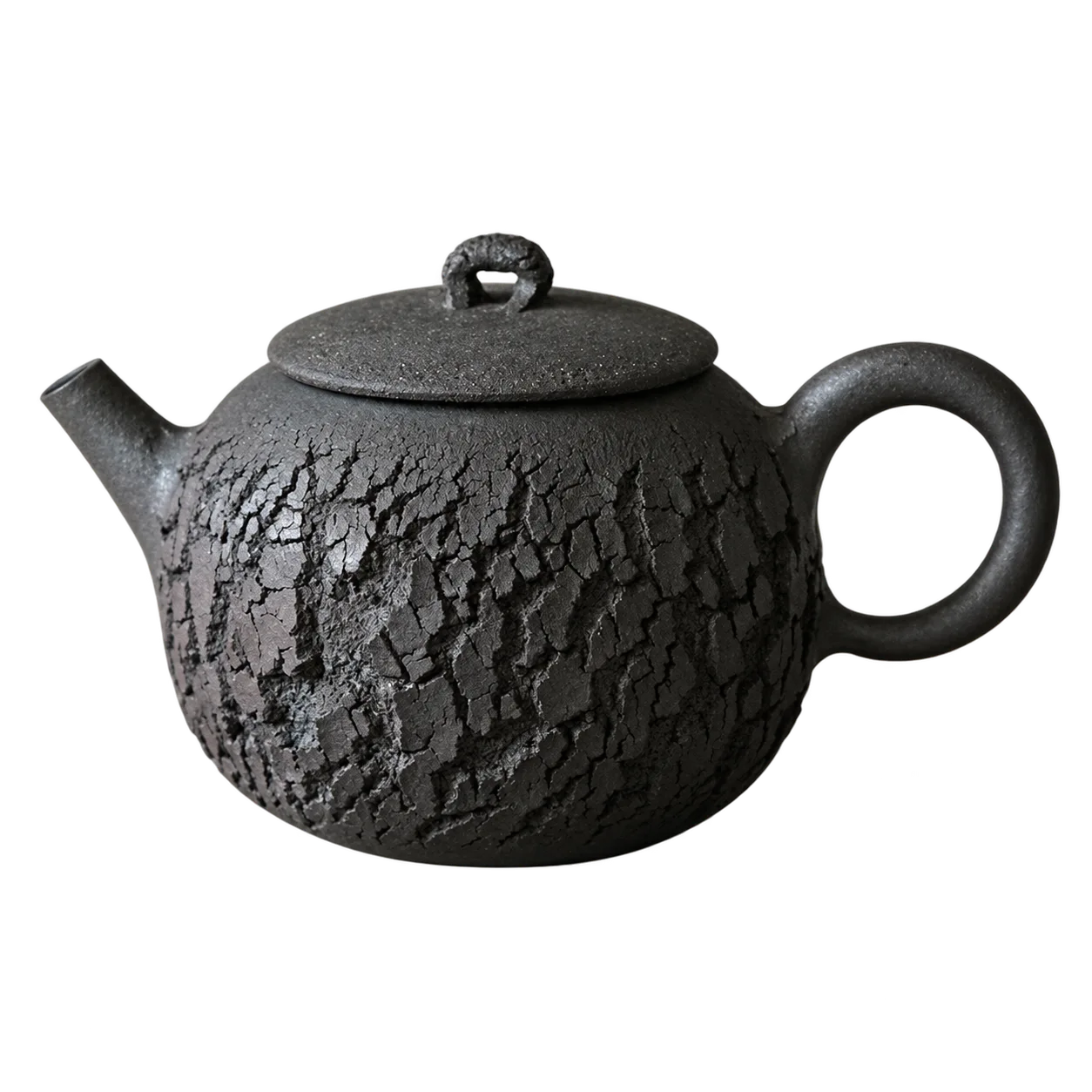
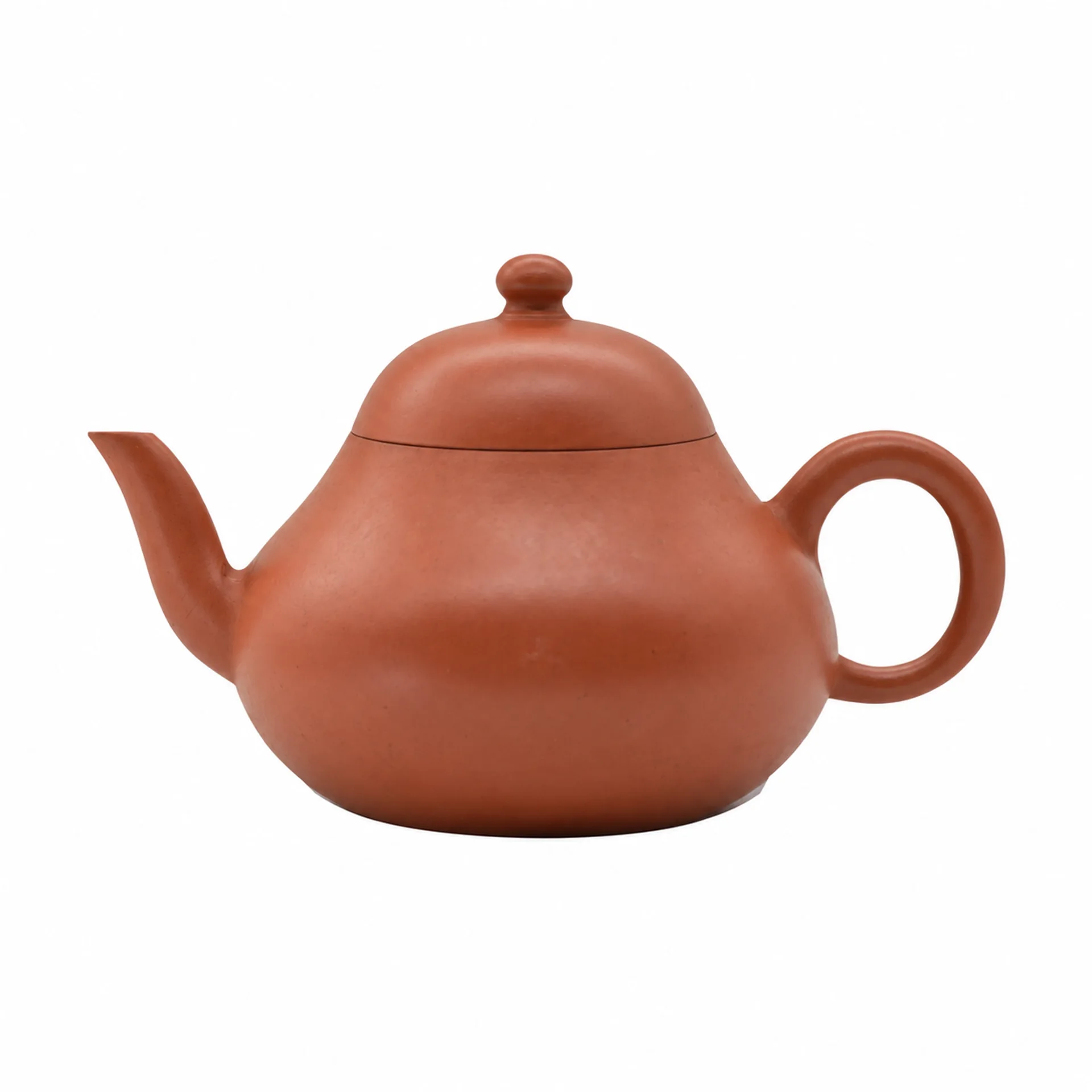
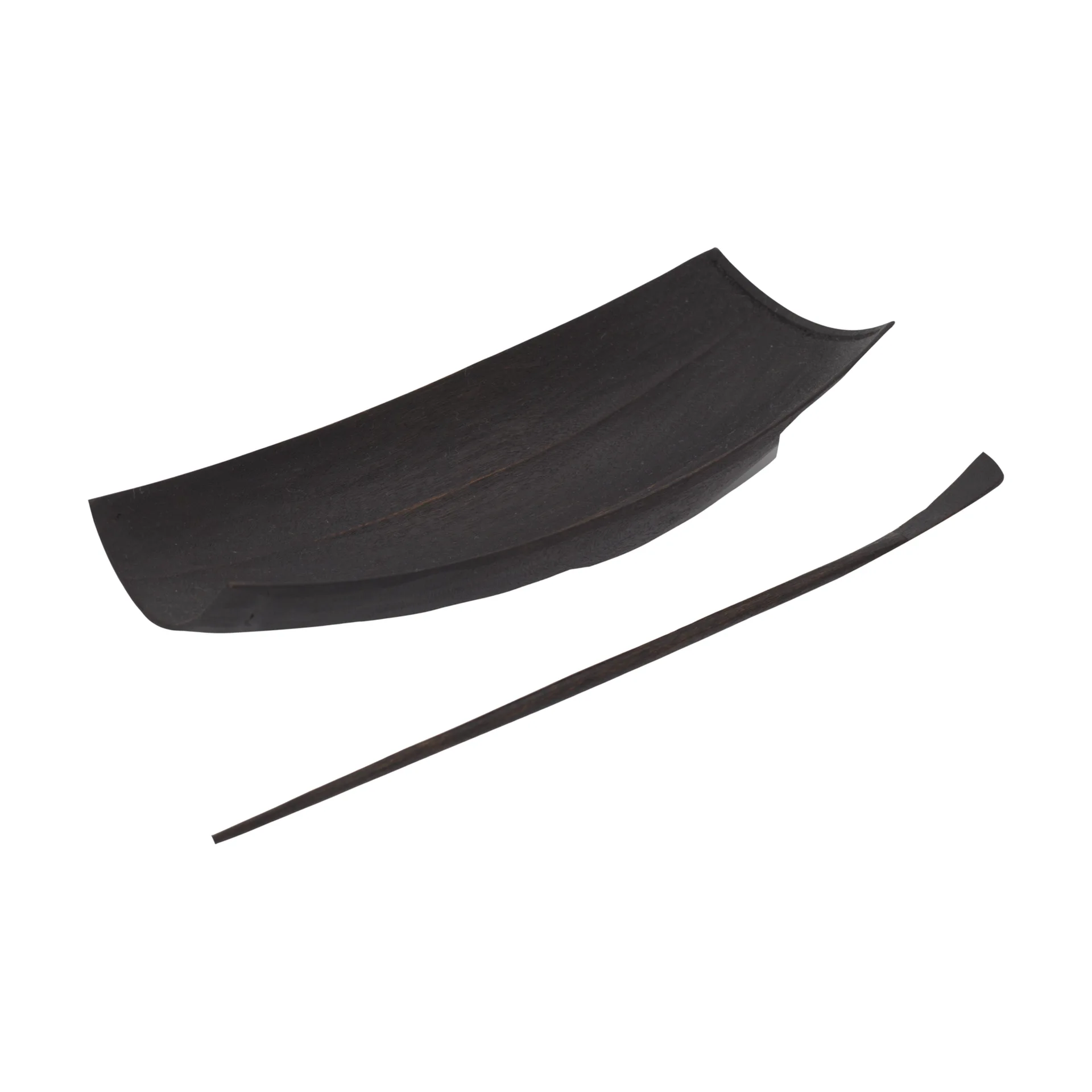
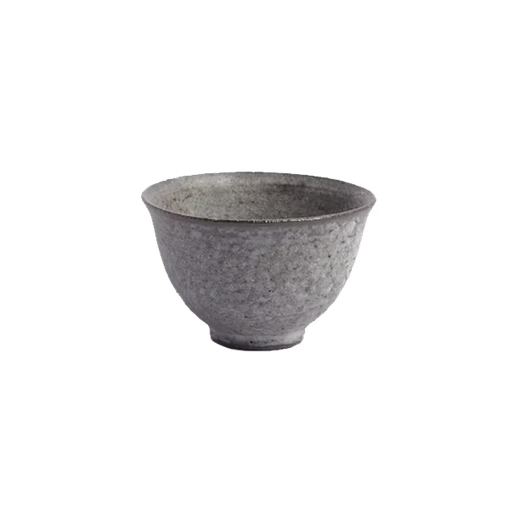
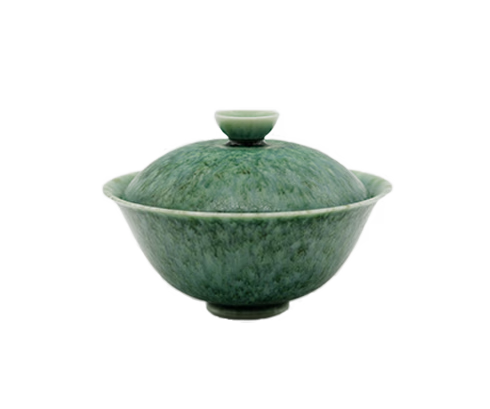
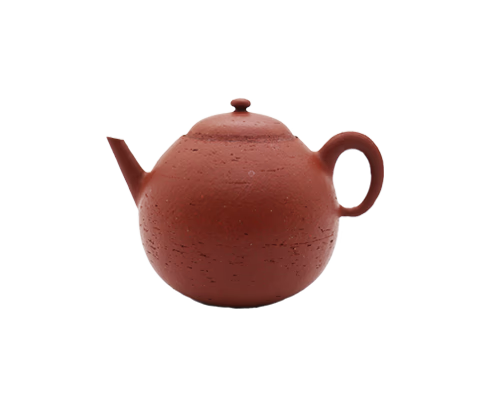
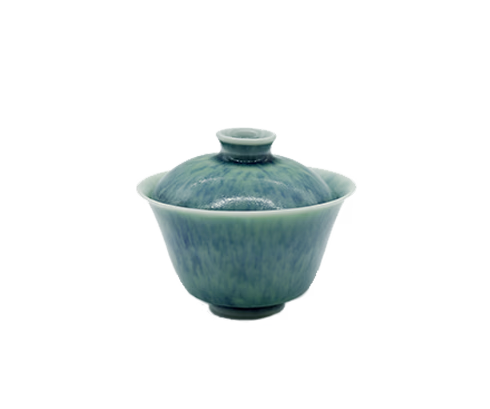
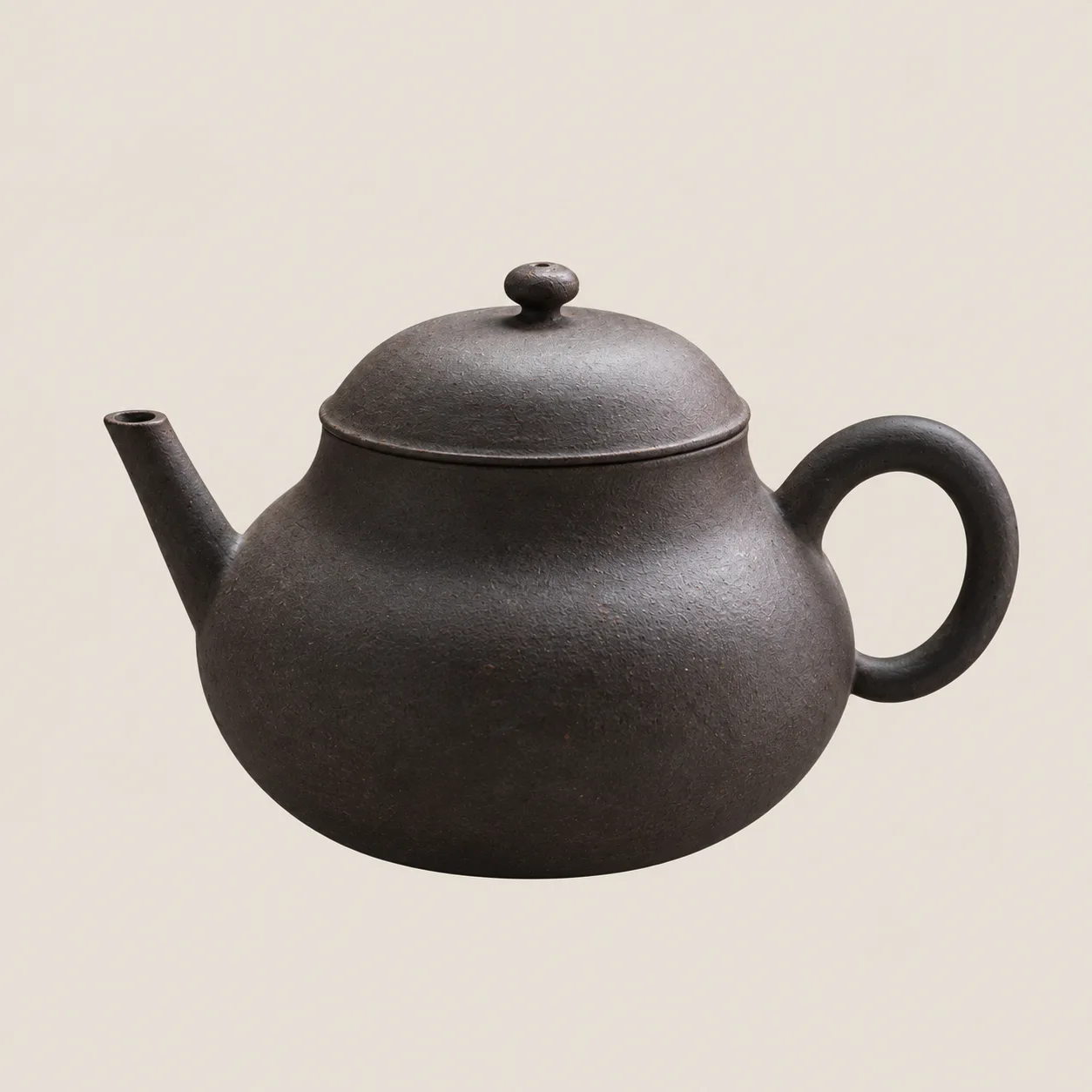
- A small Chaozhou clay teapot or porcelain gaiwan, around 100 to 110 ml
- Tea amount
- 7 to 8 g per 100 to 110 ml
- Water
- Freshly boiled water, approximately 100°C / 212°F
- Preparation
- Warm the vessel and cups. Add the leaf; if rinsing, pour off immediately.
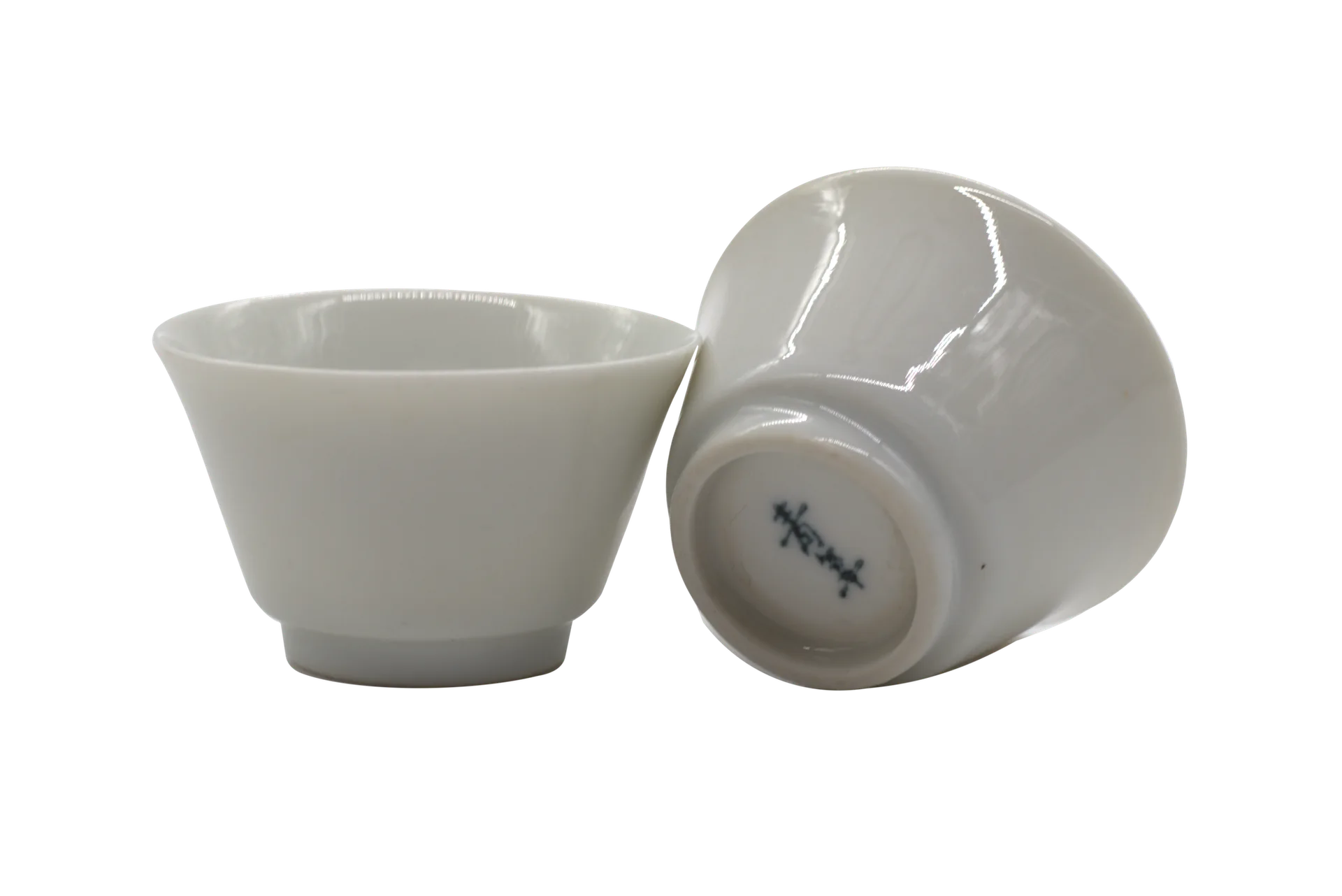
For traditional small cup service, distribute the liquor in alternating passes so each cup receives a similar strength. A sharing pitcher also works.
If the cup becomes bitter or drying, shorten the next infusion or reduce the leaf on your next session. Continue while the tea remains enjoyable.
Adjust the leaf and timing to find your preferred balance.
Infusion timings
- Infusions 1 to 3
- Begin pouring out after about 3 seconds. Drain completely and promptly.
- Infusion 4 onward
- Add roughly 2 to 3 seconds as the flavour softens; extend further in later rounds.
Empty the vessel fully between pours and adjust the timing to taste.
Water ratio
Start at approximately 1 g of leaf per 14 to 15 ml of water.
| Water | Tea |
|---|---|
| 100 ml | 7 g |
| 110 ml | 8 g |
| 140 ml | 9 to 10 g |
Use the same leaves throughout the session. Keep the first pours quick at this ratio.
Storage
Keep the tea well sealed in a cool, dry place, away from sunlight, moisture and strong smells. Reseal the packaging after each use to protect its fragrance.
Tasting notes
From landscape to cup
Lao Cong
Shiguping
Shiguping brings attention to texture as much as fragrance. A gentle floral opening introduces the village’s Wulong style, soft fruit and a rounded, creamy body, with nutty and woody impressions underneath.
Notice how the tea unfolds while brewing: the freshness of fruit, the softness of the liquor and the sweetness that remains as the cup cools. Their balance will depend on the particular tea and how it is prepared.
Lao Cong refers to the tea’s old bush character.
← Return to the oolong collectionOrigin & processing
The place behind the leaf
Shiguping
A village of tea
Shiguping · Fenghuang Mountains · Guangdong
A mountain village and its people
Shiguping (石古坪) lies on the eastern side of the Fenghuang Mountains, in Chaozhou’s Chao’an district. Its homes step across the western slope of Dazhi Mountain, among wooded hills and tea gardens. The village is closely associated with the She community, whose cultural traditions remain part of its identity.
Elevation and landscape
Local reporting places the village’s average elevation above 870 metres, approximately 2,854 feet. This describes the settlement as a whole, rather than the measured altitude of this tea’s garden. The accompanying chart places Shiguping among other regional reference points, alongside Fenghuang Ji, also known as Niaoji, the range’s highest summit.
An enduring oolong tradition
Tea growing remains central to village life. Reports describe extensive old bush gardens and surviving old Wulong tea trees, reflecting a long local relationship with cultivation. Those village records provide historical context; they do not establish the age of the bushes used for this particular tea.
Shiguping is known for a local Wulong tradition with an emphasis on rounded texture and gentle aromatic depth. Its place in the Fenghuang landscape offers another expression of the region’s oolongs.