Overlord/ Bawang
霸王 · Ripe Pu’er · 2025 pressing
A moment for tea
Bawang means “Overlord,” a name that evokes this ripe Pu’er’s bold, commanding character.
Dark cacao, oak and deep earth.
A full, syrupy cup with a lingering molasses sweetness.
- Tea
- Overlord / Bawang 霸王
- Type
- Ripe Pu’er · Shou 熟普洱
- Origin
- Mengku, Lincang, Yunnan, China
- Pressed
- 2025
- Format
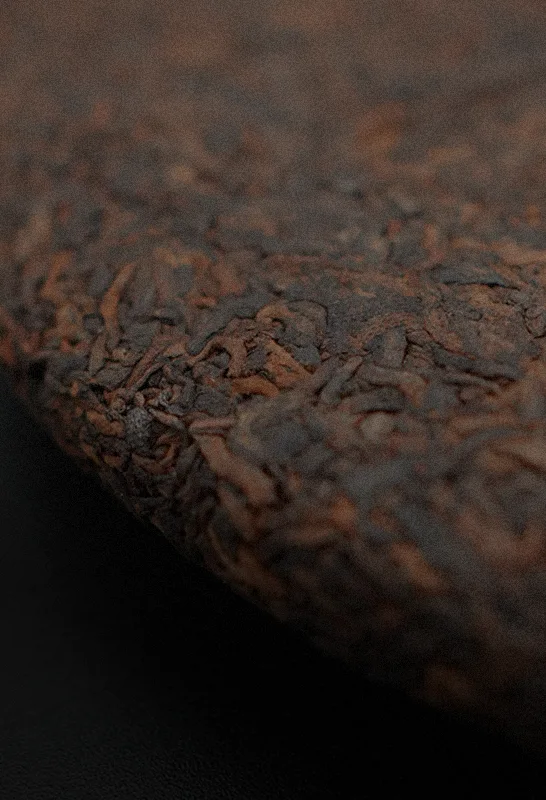
- Compressed cake
Brewing guide
Begin with plenty of heat and short infusions. Break off a small piece gently, keeping the leaves as intact as possible.
- Teaware
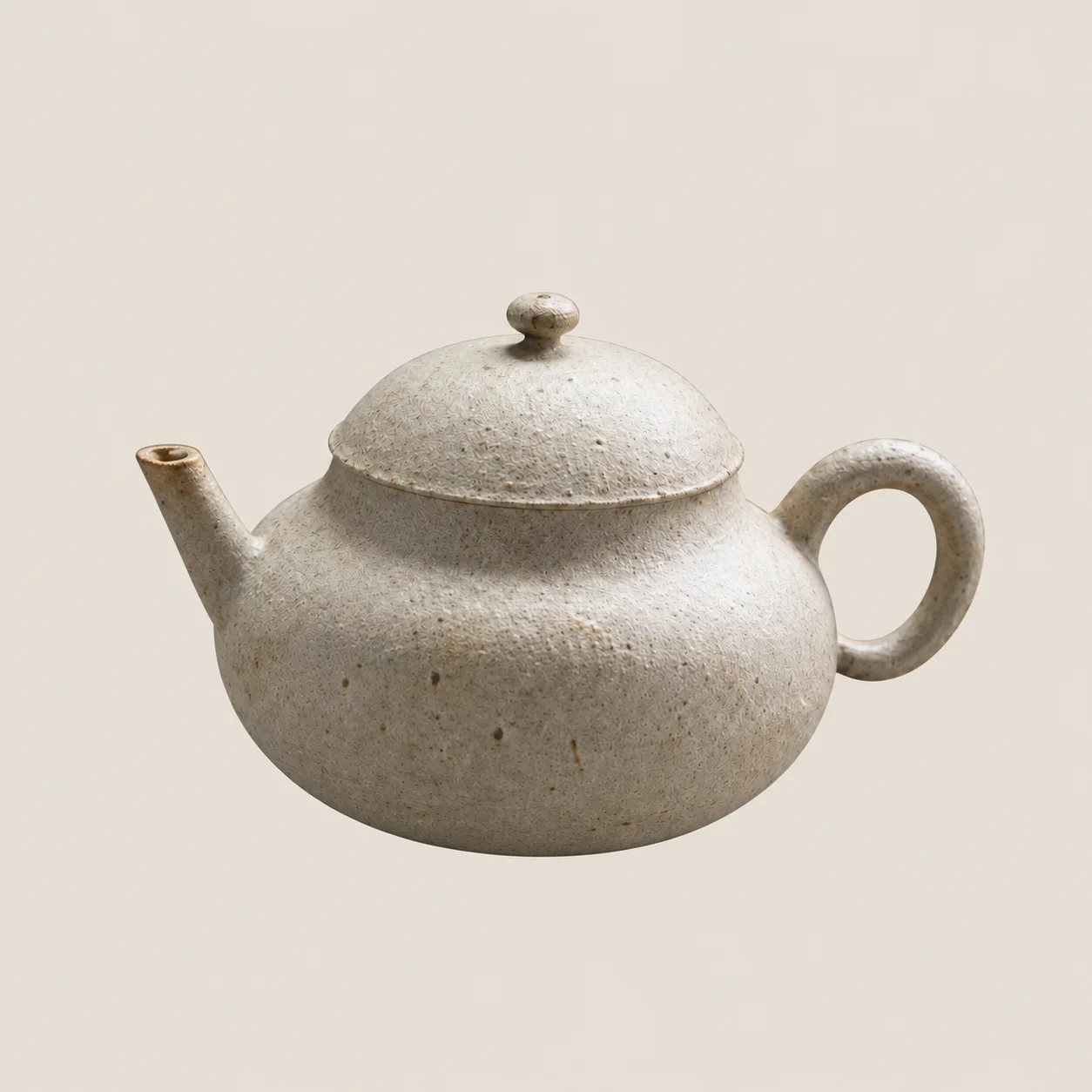
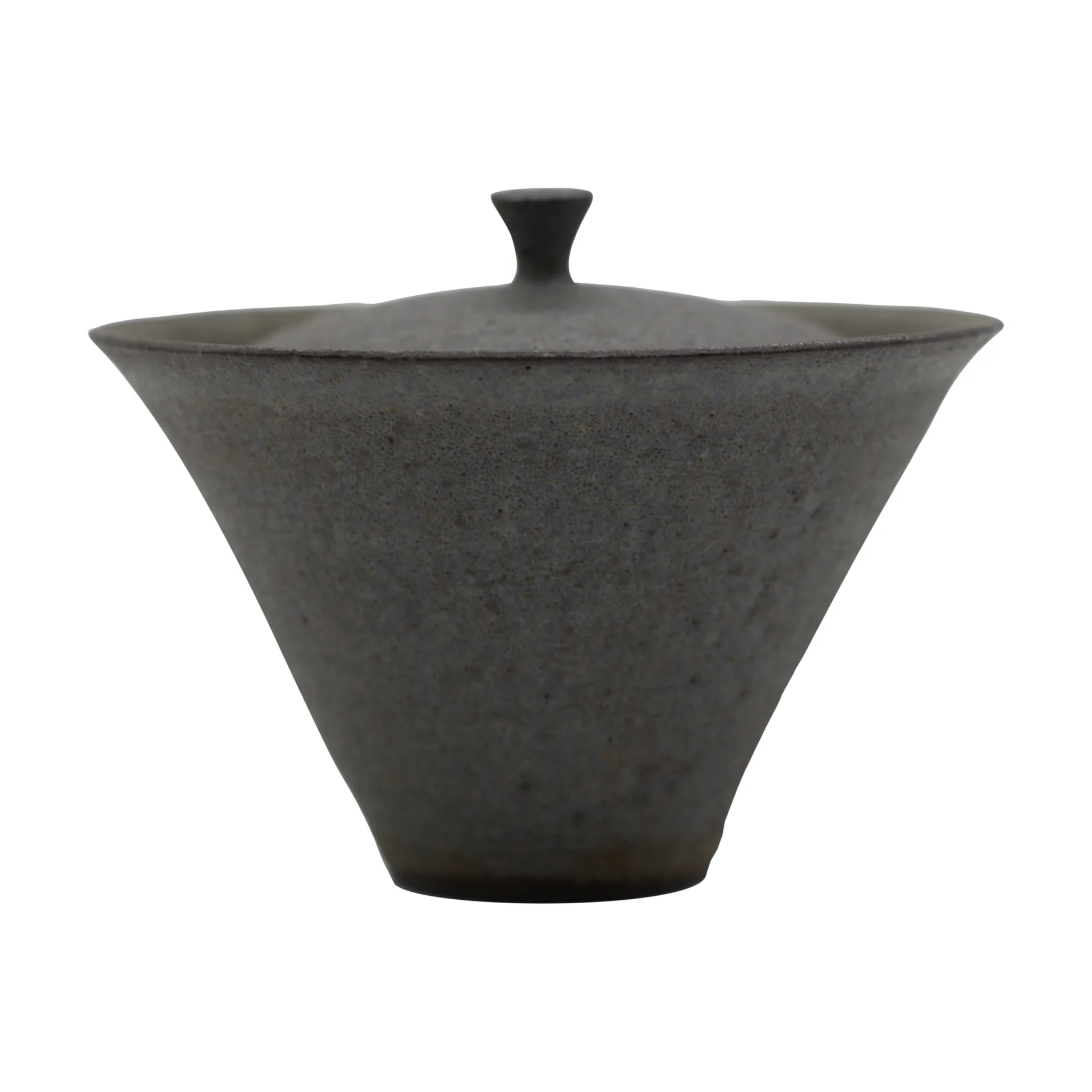
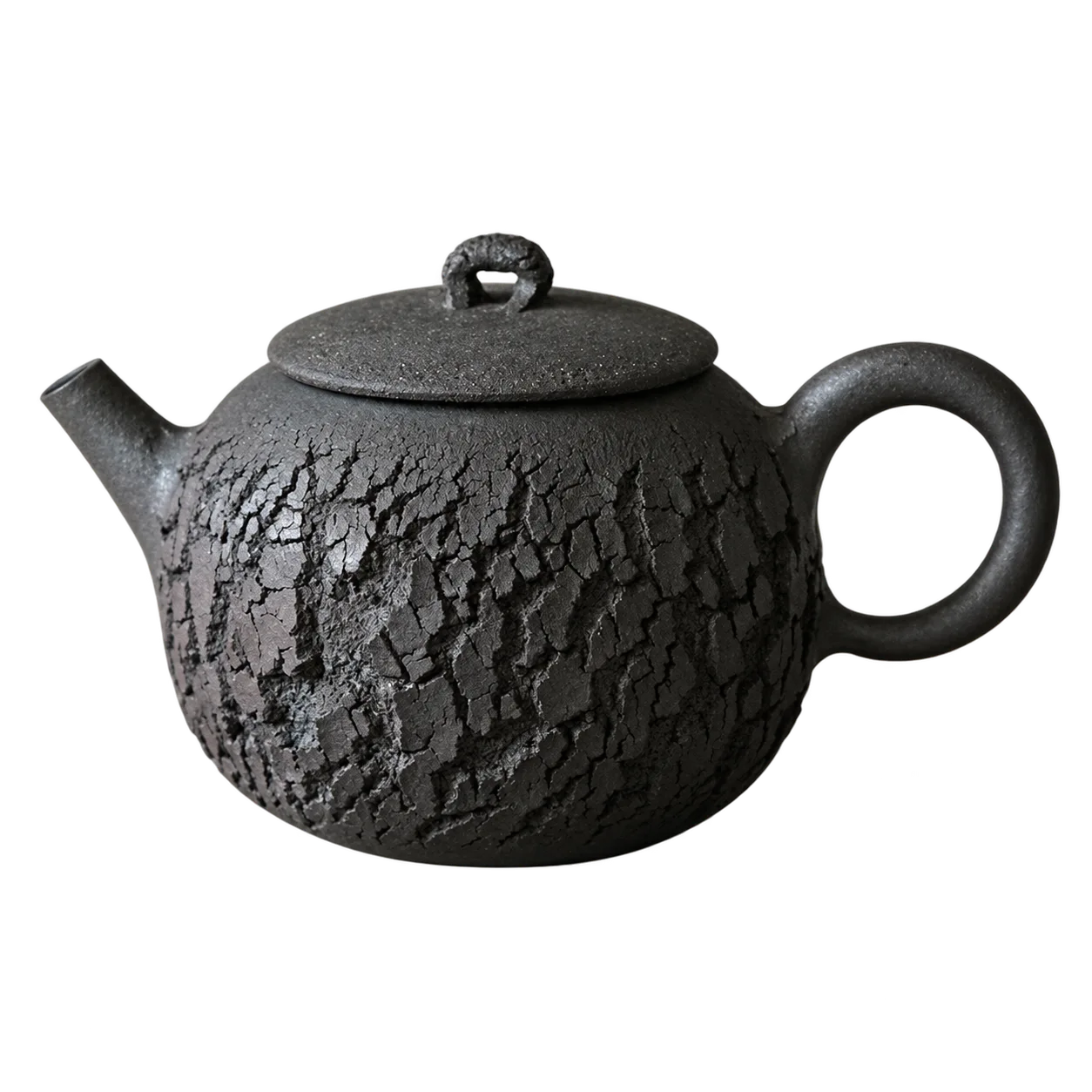
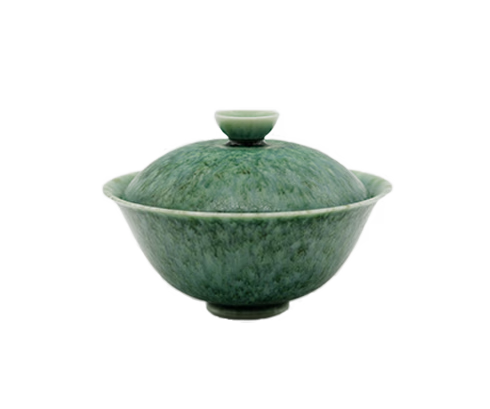
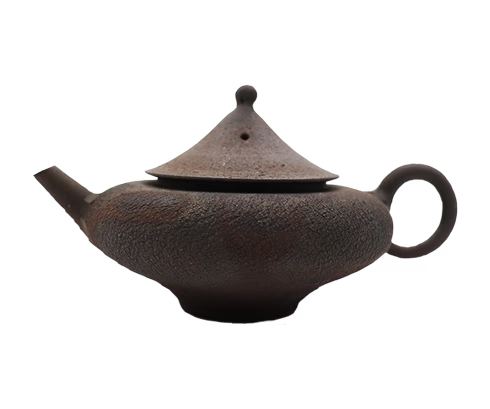
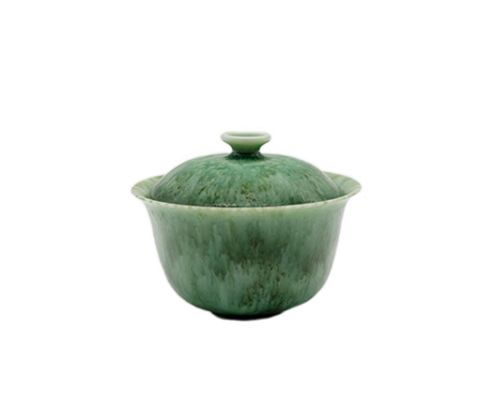
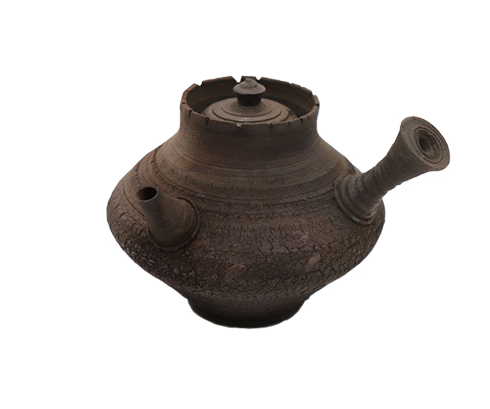
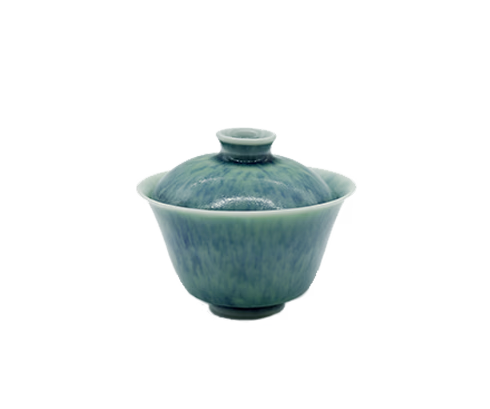
- A porcelain gaiwan or small teapot, 100 to 110 ml
- Tea amount
- 6 to 7 g
- Water
- Filtered water or low TDS spring water
100°C / 212°F - Preparation
- Warm the vessel. Give the leaves two brief rinses of about 5 seconds, discarding each rinse.
Drain the vessel completely each time. As a tightly pressed piece opens, it may release flavour more quickly; shorten the next steep if the cup becomes too concentrated. Continue while the leaves still give a rich, enjoyable cup.
Infusion timings
- 1st infusion
- 8 to 10 seconds
- 2nd infusion
- 10 to 12 seconds
- 3rd infusion
- 12 to 15 seconds
- Following infusions
- Add around 5 seconds as the flavour softens, then lengthen later steeps to taste
Empty the vessel fully between pours and adjust the timing to taste.
Water ratio
Start with 6 to 7 g of tea per 100 to 110 ml of water.
Measure the water used in each infusion. Reuse the same leaves and adjust the quantity for a lighter or fuller cup.
Storage
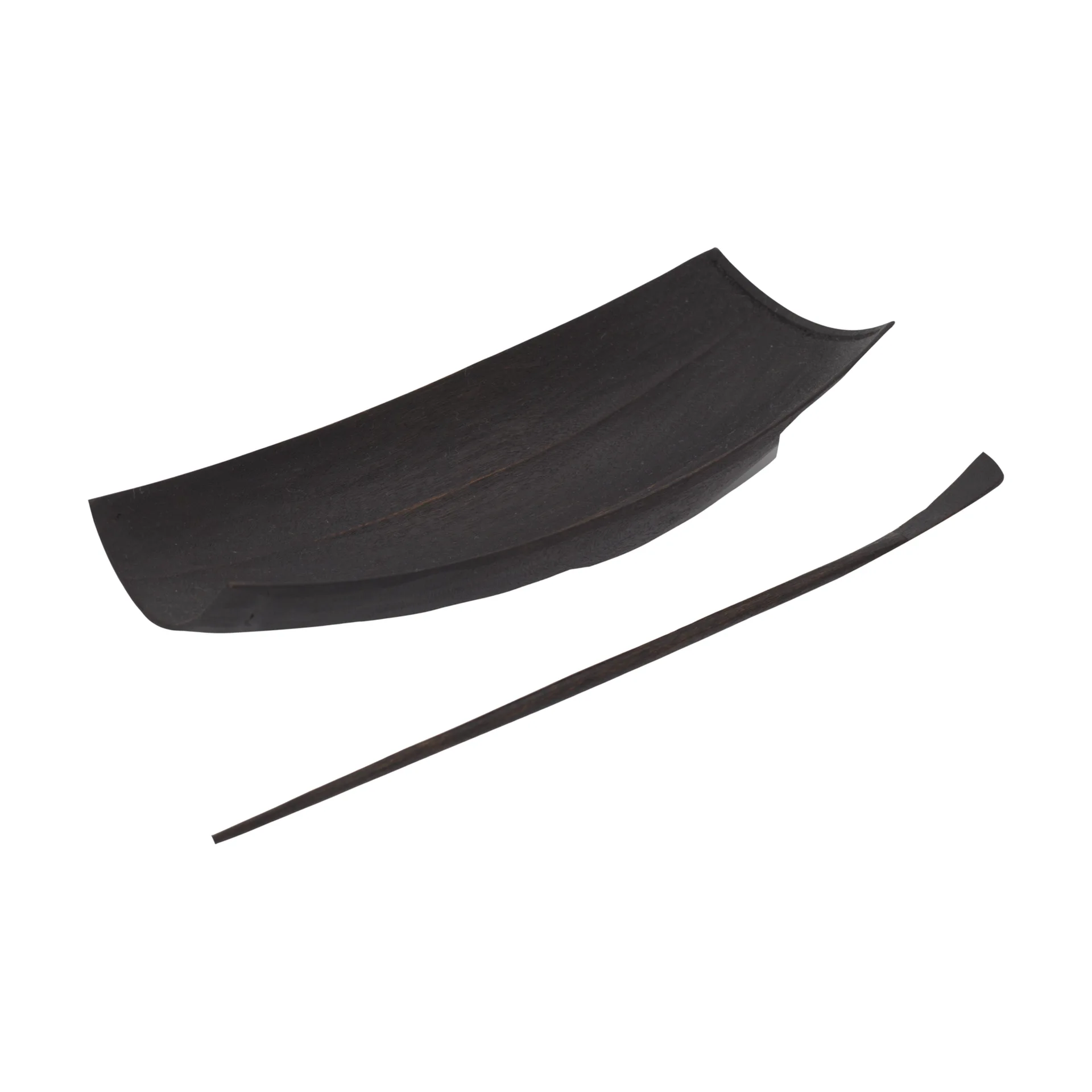
Work from the edge with a tea pick, easing apart the layers instead of crushing the cake. Keep your free hand clear of the tool’s path.
Store the cake in clean, stable conditions, away from direct sunlight, strong smells and damp. Keep the wrapper around the remaining tea and protect it from kitchen steam. Storage influences how a ripe tea settles; there is no fixed timetable for its aroma to change.
Tasting notes
Depth in the cup
Overlord
/ Bawang
Cacao, oak and forest earth
Overlord opens with the dark warmth of cacao and old oak, followed by an earthy impression reminiscent of a damp forest floor. Its character is bold and substantial, with the bittersweet edge of dark chocolate running through the first infusions.
Malt and a slower sweetness
A malty, savoury depth sits beneath the cacao, with a subtle leather like note adding to the tea’s darker register. As the leaves open, sweetness becomes more apparent: molasses and sugarcane soften the earthy flavours and linger towards the back of the palate.
A dense, rounded body
Texture is central to this cake. The liquor feels viscous and mouth coating, carrying its flavours with a broth like weight. In a concentrated infusion, the colour deepens from reddish brown to an almost black centre, with warmer red tones visible at the rim.
A lasting finish
Wood, cacao and sweetness remain after the sip. Short steeps keep that balance clear; longer infusions bring more weight and intensity. Bawang, written 霸王, means “Overlord” a name that suits the tea’s broad body and commanding character.
← Return to the ripe Pu’er collectionOrigin & processing
The craft behind the cake
Mengku
Lincang, Yunnan
Mengku · Shuangjiang · Lincang · Yunnan · China
The Mengku region
This Overlord comes from Mengku in Shuangjiang County, within Lincang in southwestern Yunnan. Tea is central to the area’s identity, and Mengku is especially associated with its large leaf tea tradition, known as Mengku Da Ye Zhong.
The wider Shuangjiang landscape has a long history of tea cultivation, with tea gardens and old tree resources forming an important part of local life. Here, growing region and craft work together: the leaf supplies the foundation, while fermentation develops the dark colour, smooth texture and earthy depth of ripe Pu’er.
Yunnan’s large leaf tradition
Pu’er begins with Yunnan’s large leaf tea material. The sun dried base is known as maocha, and the way that leaf is processed determines whether it becomes raw or ripe Pu’er. Ripe tea takes a deliberate fermentation step that gives it a darker colour and a rounded, earthy character.
1 / Preparing the maocha
Fresh leaves are allowed to soften before heating slows enzymatic oxidation. Rolling shapes the leaf and breaks some of its structure, then sun drying produces the loose maocha used as the base for fermentation.
2 / Wet piling wo dui
The maocha is moistened and gathered into piles. Warmth, moisture and microbial activity gradually transform the leaf. This stage, called wo dui 渥堆, develops over several weeks; timing depends on the material, conditions and intended fermentation depth.
3 / Turning and monitoring
During fermentation, the producer turns the pile and manages its temperature and moisture. This helps distribute the fermentation more evenly and prevents excessive heat from building up in the centre.
4 / Drying and sorting
Once the desired character is reached, the tea is spread out to dry and sorted. Leaf size and fermentation depth both contribute to the finished tea’s texture, aroma and strength.
5 / From loose tea to cake
Steam softens the fermented leaves so they can be pressed into shape. The cake is then dried before wrapping. This Overlord was pressed in 2025; a pressing date records the cake’s formation and does not necessarily identify when the leaves were harvested or fermented.
How ripe tea settles
Wet piling creates a distinct style of Pu’er rather than an exact copy of long aged raw tea. A recently fermented ripe tea can retain a fermentation aroma, often called dui wei. This may soften with suitable storage, while the pace of change depends on the tea and its surroundings.