ZhengyanRou Gui
A moment for tea
Rou Gui means “cinnamon,” referring to the cultivar’s natural spice like fragrance; Zhengyan means “true rock,” its Wuyi growing area.
Cinnamon spice, orchid and stone fruit.
Roasted nuts and mineral depth.
A long, returning sweetness.
- Tea
- Zhengyan Rou Gui
- Type
- Wuyi Rock Tea (Yancha, Zhengyan area)
- Origin
- Zhengyan, Wuyishan, Northern Fujian Province, China
- Harvest
- 2025
- Cultivar
- Rou Gui (肉桂)
- Format
- Loose leaf
Brewing guide
- Teaware
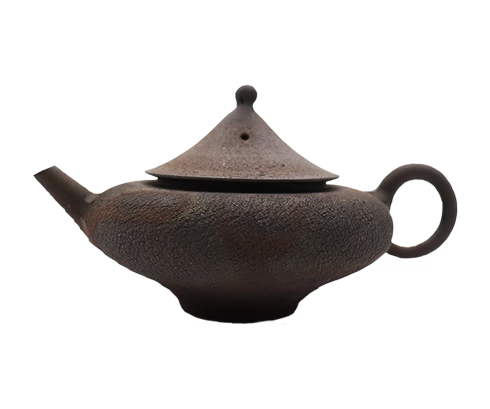
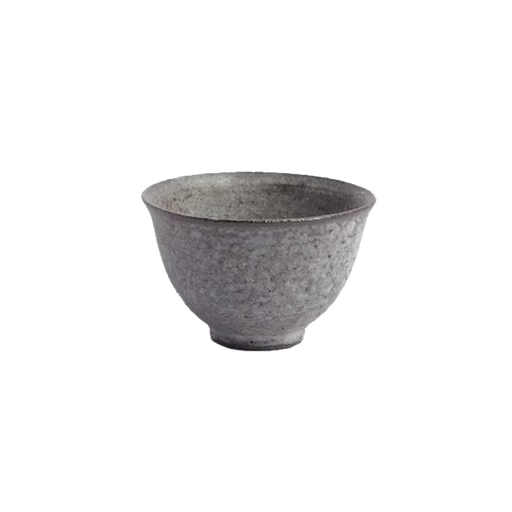
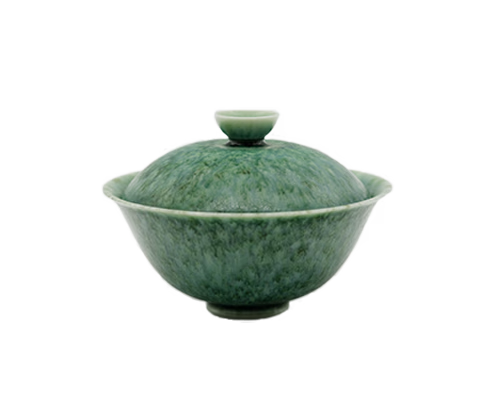
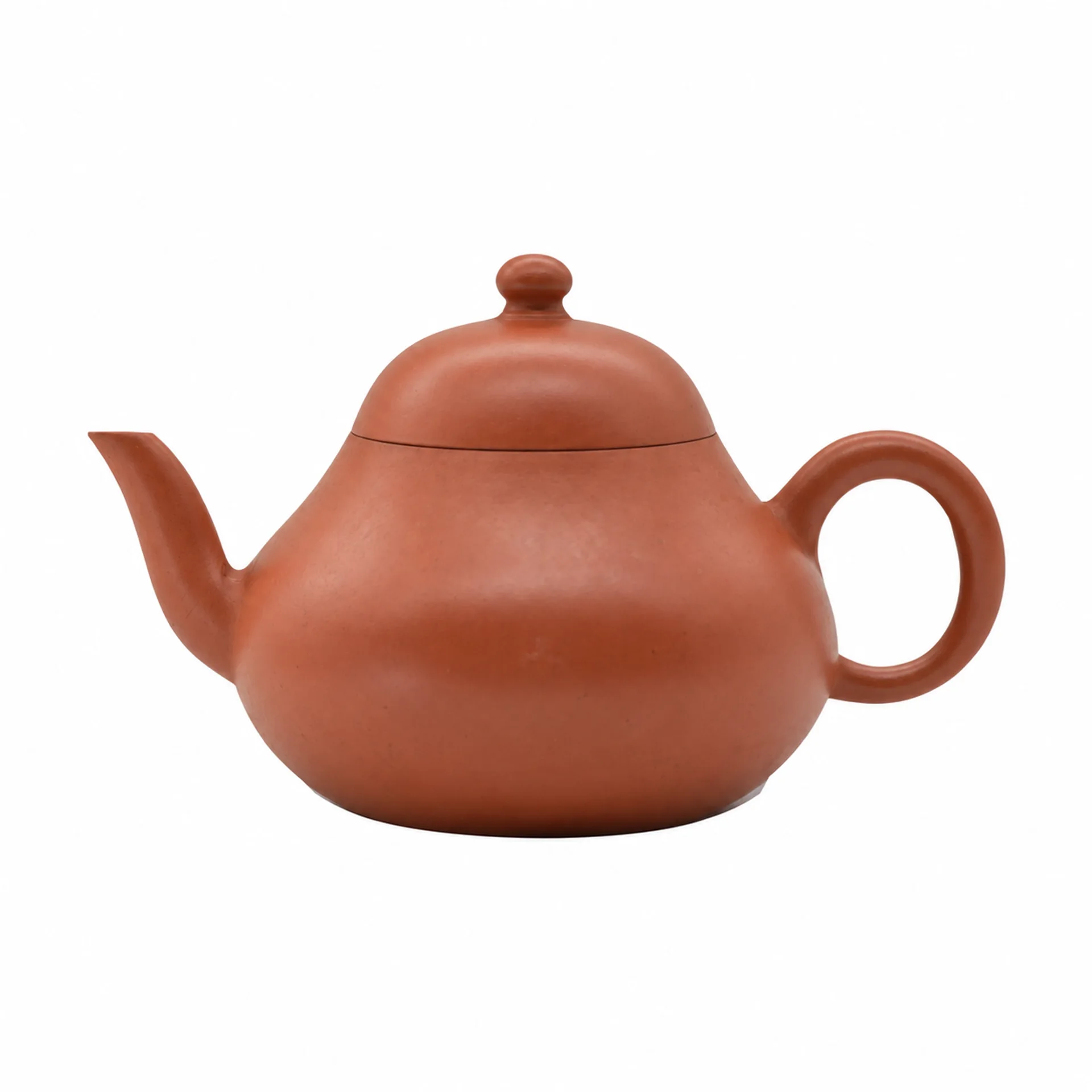
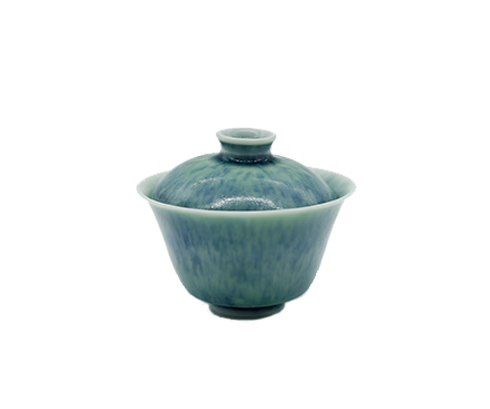
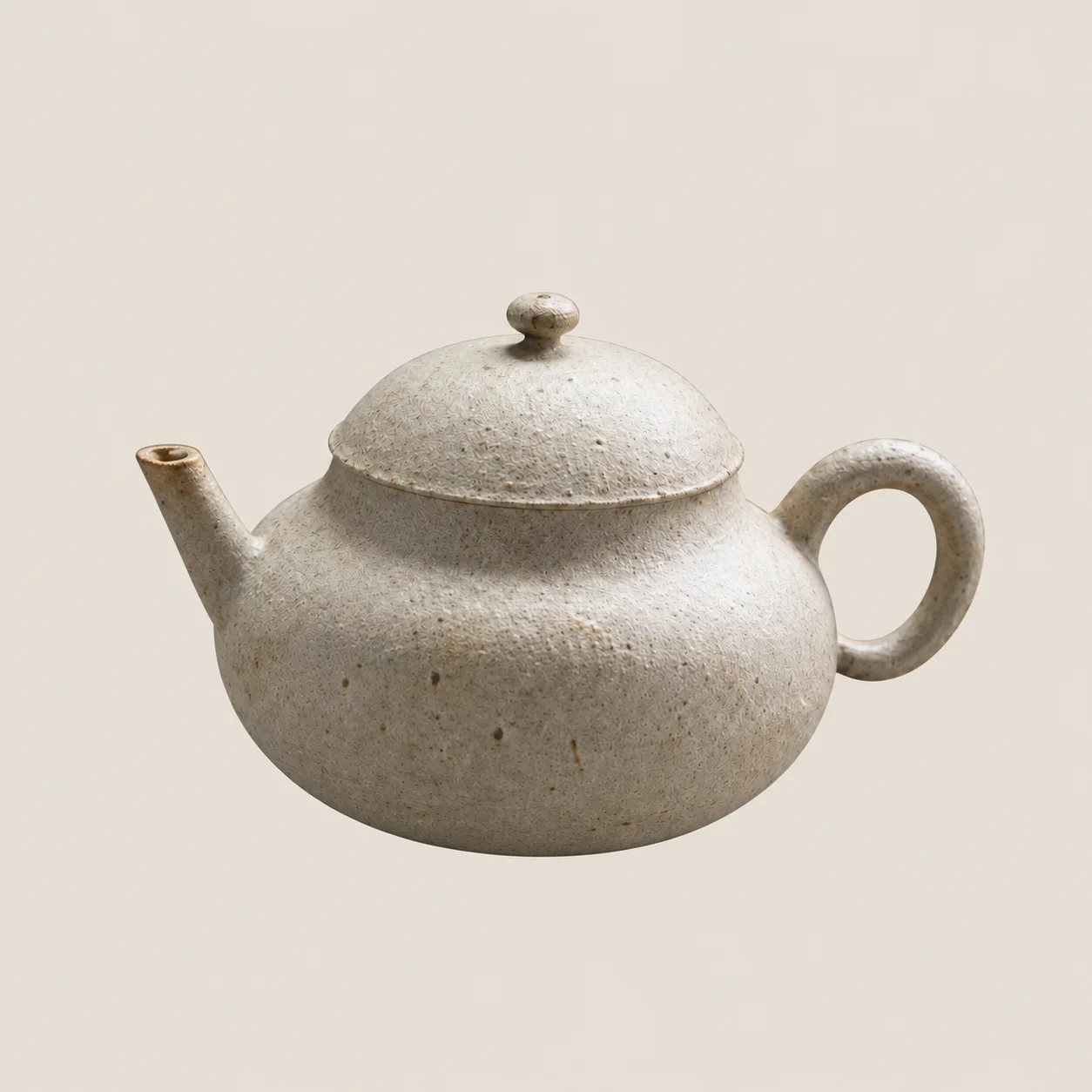
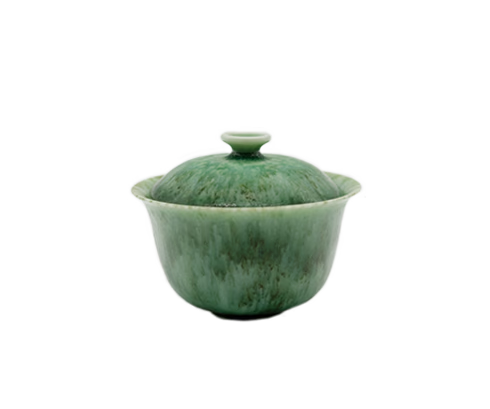
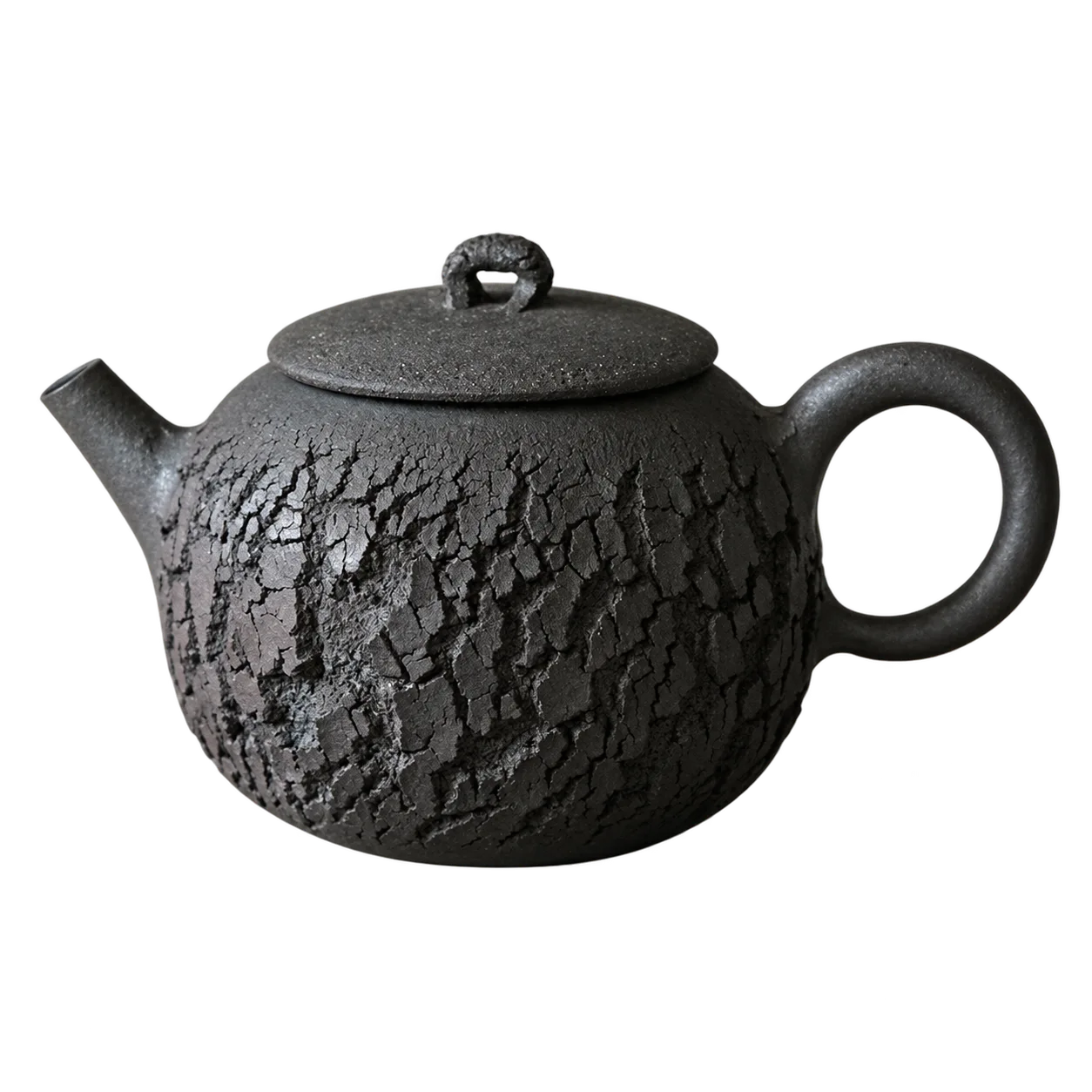
- A 140 ml teapot or gaiwan
- Tea amount
- 5 g
- Water
- Low TDS natural spring water. If using tap water, filter it and bring it to a boil.
As you brew, observe how the tea opens from steep to steep its sweetness, warmth, and texture shift subtly with each infusion. Let the tea guide your timing; trust your senses and brew according to the moment.
We hope you enjoy the soft richness, gentle fragrance, and steady comfort of this beautifully crafted Rou Gui.
Infusion timings
- First infusion
- Boiling water, 5 seconds
- Second infusion
- Boiling water, 20 seconds
- Third infusion
- Boiling water, 20 seconds
- Fourth infusion onward
- Adjust to taste
- Total infusions
- Around 15 steeps
Empty the vessel fully between pours and adjust the timing to taste.
Water ratio
Use 5 g of tea in a 140 ml teapot or gaiwan. Reuse the same leaves for successive infusions, adjusting the timing to taste.
Storage
Keep the tea well sealed in a cool, dry place, away from sunlight, moisture and strong smells. Reseal the packaging after each use to protect its fragrance.
Tasting notes
From landscape to cup
The character
of Rou Gui

Cinnamon spice and orchid
A clear, lifted fragrance opens with the warmth of cinnamon bark, followed by orchid like florals. Rou Gui means “Cinnamon,” a reference to the cultivar’s natural aromatic character. No cinnamon is added to the tea.
Ripe stone fruit and roasted nuts
Peach and plum impressions emerge beneath the spice, giving the middle infusions a rounded fruit character. Roasted nuts add warmth and depth, while a quiet woody note carries the flavour into the finish.
Structure and returning sweetness
The cup has a direct, aromatic presence and a firm mineral structure. After swallowing, a returning sweetness, or hui gan, softens the spice and roast. Pause between pours to notice how the fragrance continues after the liquor has gone.
Yan Yun rock rhyme
Yan yun (岩韵) brings together texture, mineral depth, lingering aroma and a long, clean finish. It is more than the taste of stone. In Rou Gui, the bright spicy fragrance meets a deeper, steadier structure, creating a contrast that unfolds through the session.
Across the infusions
Early pours place the emphasis on aroma and cinnamon like warmth. The middle cups reveal more ripe fruit, body and mineral depth. Later infusions become softer and sweeter, with floral notes returning as the roast recedes.
← Return to the oolong collectionOrigin & processing
The place behind the leaf
Zhengyan
Warmth, stone & fragrance
Zhengyan · Wuyishan · Fujian · China
Zhengyan, the heart of Wuyi
This 2025 Rou Gui comes from Zhengyan in Wuyishan, northern Fujian. The name means “true rock” and describes the traditional core rock tea area, where gardens sit among cliffs, rocky valleys and sheltered slopes.
Shade, drainage and local growing conditions help shape the leaf. The tea maker’s work then brings that material into balance. Zhengyan character is expressed through depth, persistent fragrance and a long finish, rather than strength alone.
The Rou Gui cultivar
Rou Gui is one of Wuyi’s principal tea cultivars, prized for its pronounced fragrance and spice like character. Mature leaves provide the material for this oolong, retaining aromatic intensity through repeated infusions.
Withering and Yao Qing
After picking, the leaves are spread to lose moisture and soften. During yao qing (摇青), repeated tossing gently bruises the edges. Resting between movements allows controlled oxidation to develop, building floral, fruit and spice aromas.
Heat, rolling and drying
When the leaf reaches the desired stage, kill green heating stops enzymatic oxidation. Rolling forms the characteristic long strips, and drying reduces the remaining moisture. Unlike tightly rolled oolongs, Wuyi tea keeps a twisted, open strip shape.
Roasting for balance
Roasting gives Wuyi tea another layer of warmth and depth. Several rounds may be separated by resting periods, allowing the toasted character and underlying leaf fragrance to become integrated. Traditional charcoal roasting is one approach within this craft; the finishing method and intensity vary.
Lighter roasting tends to preserve flowers, peach and brighter cinnamon fragrance. Deeper roasting can bring roasted nuts, warm wood and cocoa forward. The aim is to support the cultivar’s character while keeping its spice, fruit and floral layers distinct.
Resting after roasting
Time after the roast allows a pronounced toasted edge to soften. As the tea settles, its fragrance becomes easier to distinguish and the cup feels more cohesive. Roast and rest work together to shape the final expression.
The leaf and liquor
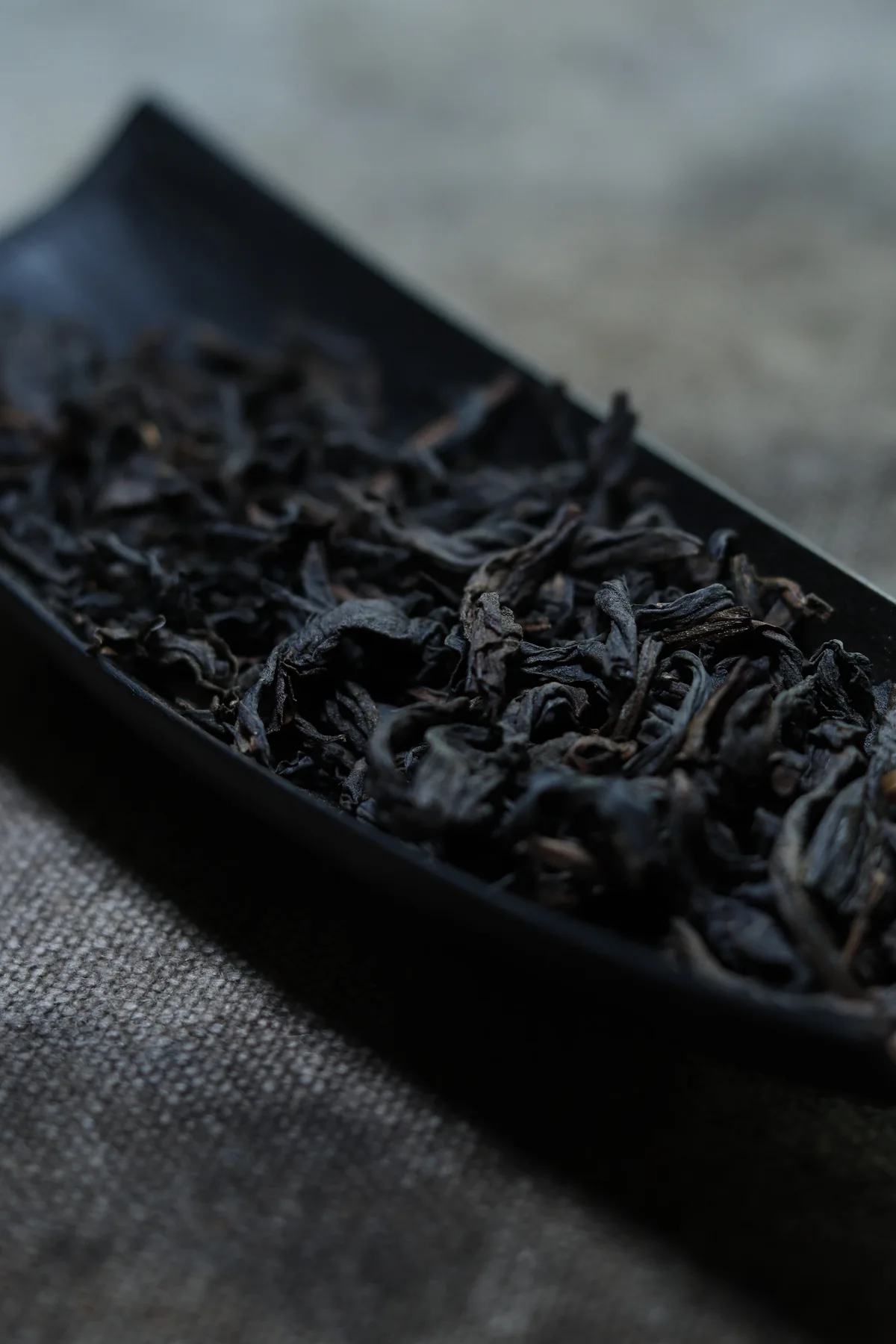
The dry leaves are long and twisted, with dark brown or charcoal brown tones and occasional reddish edges. Once infused, they open to reveal olive to brown centres framed by darker edges. The liquor ranges from golden amber to copper orange with changes in concentration.
A layered Wuyi character
Cinnamon like spice leads into orchid, ripe fruit and roasted nuts, followed by mineral structure and lingering sweetness. Rou Gui’s appeal lies in that progression: a powerful fragrance balanced by the deeper, enduring character of Zhengyan rock tea.