Wusandi Lao CongShui Xian
A moment for tea
Orchid, moss and old wood.
Bamboo leaf and a smooth, substantial body.
Lingering mineral and honeyed sweetness.
- Tea
- Wusandi Lao Cong Shui Xian
- Type
- Wuyi Rock Tea (Yancha, High Mountain area)
- Origin
- Wu Sandi Village, Yangzhuang Township, Wuyishan, Fujian, China
- Harvest
- May 2025
- Cultivar
- Shui Xian (水仙)
- Age
- Over 80 years
- Roast
- Medium charcoal roast
- Format
- Loose leaf
Brewing guide
- Teaware
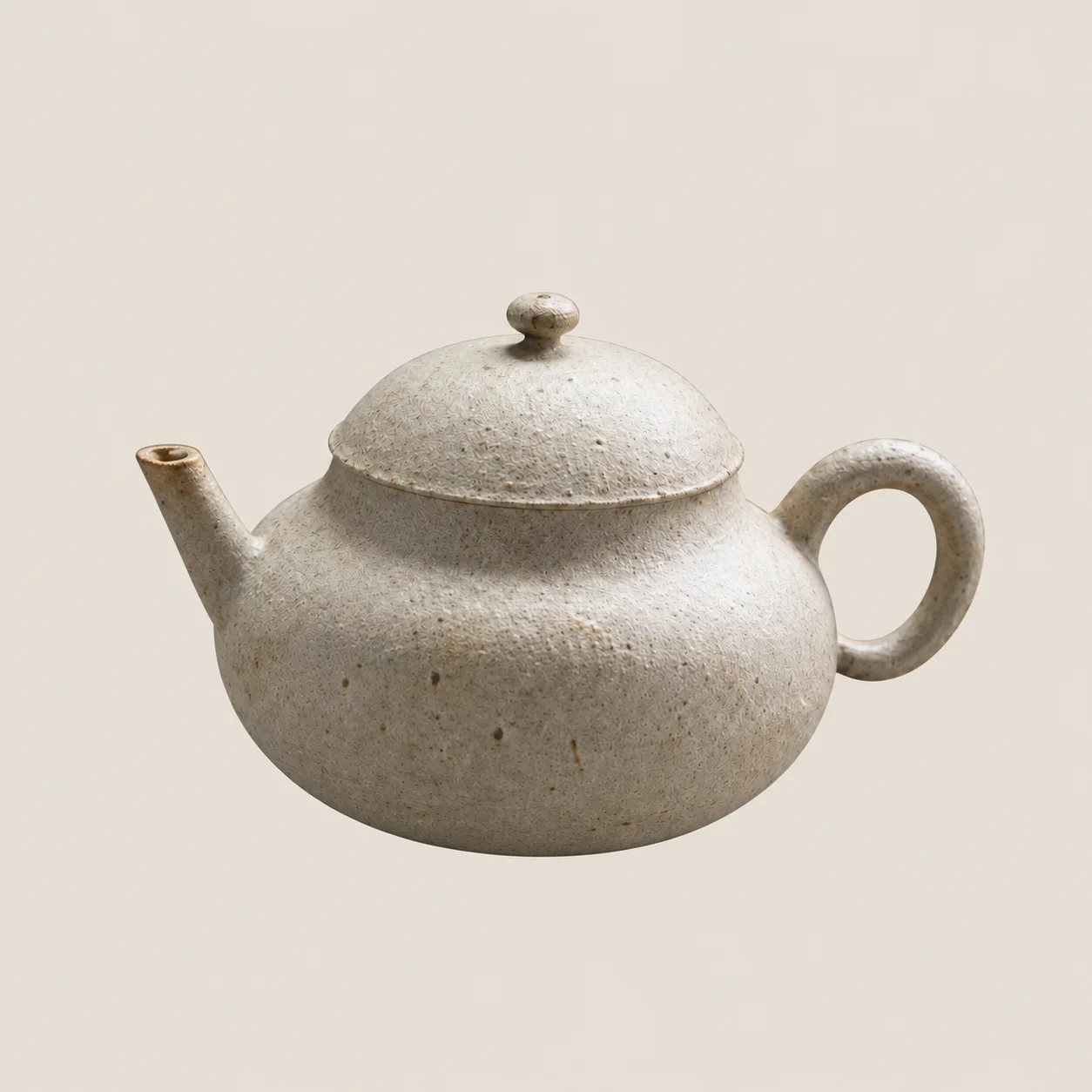
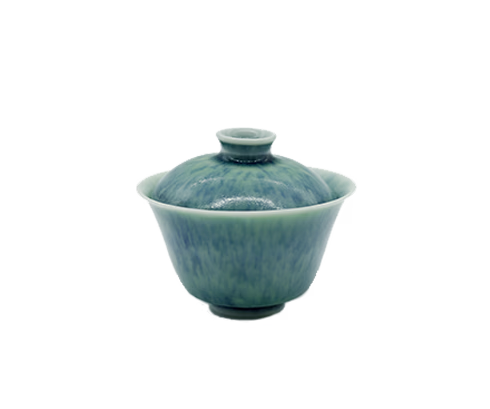
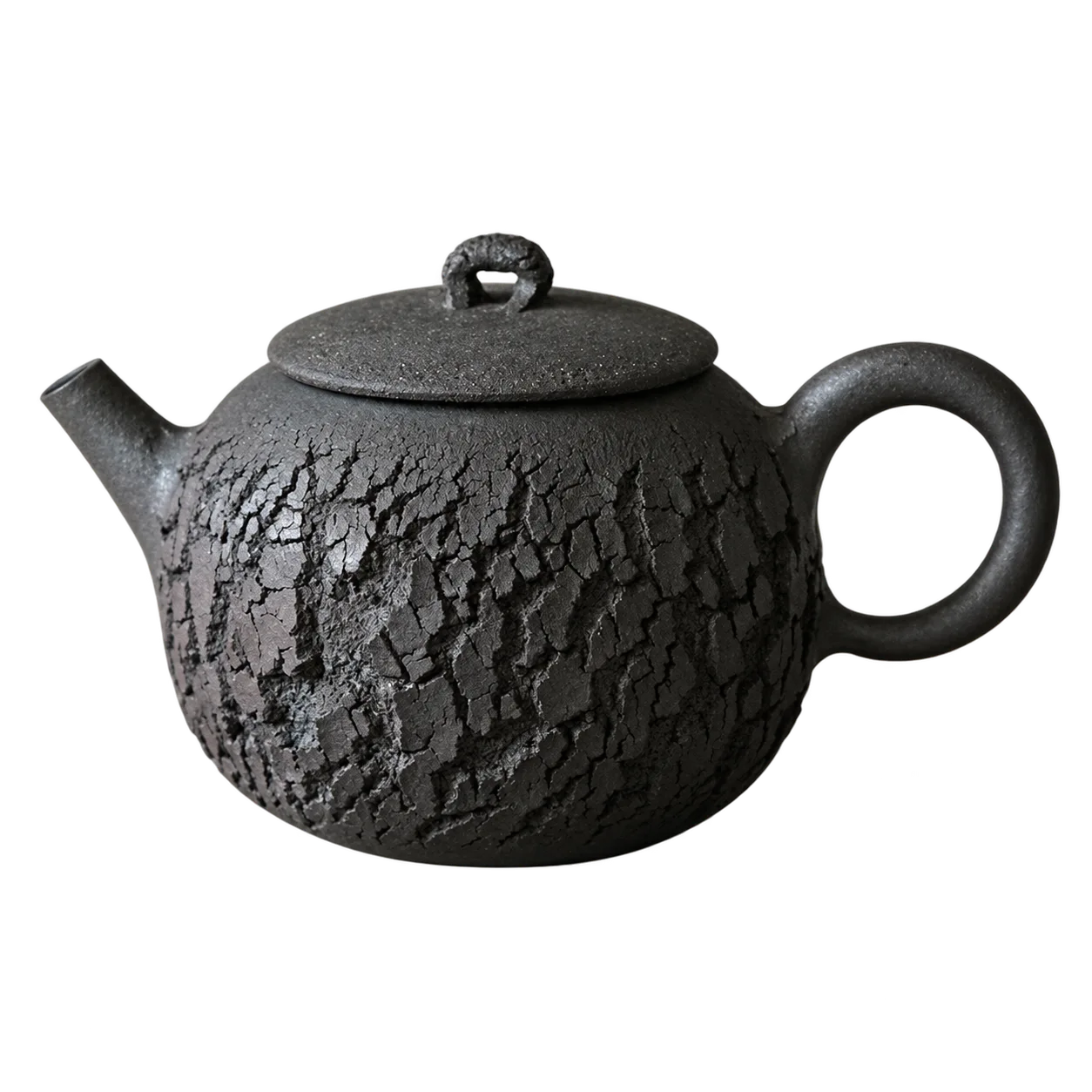
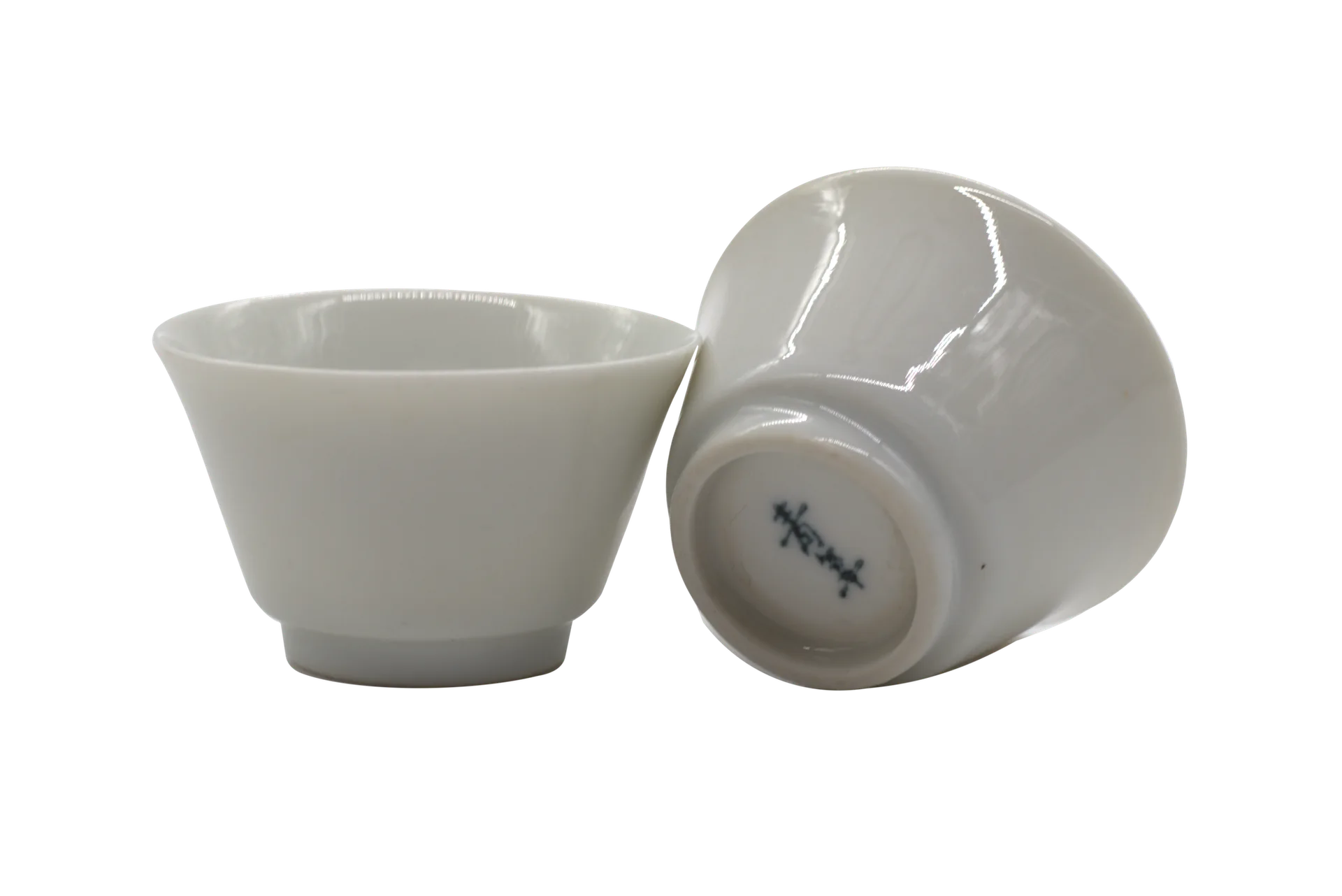
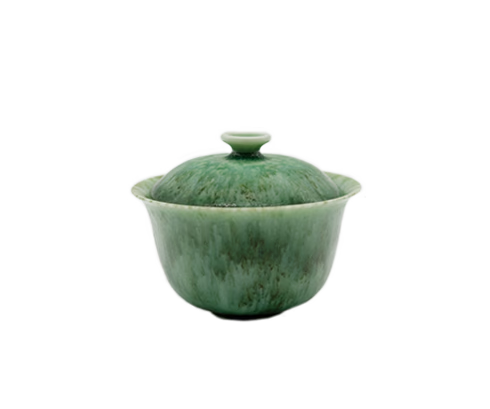
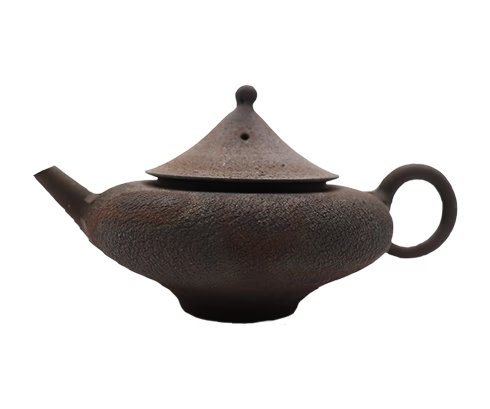
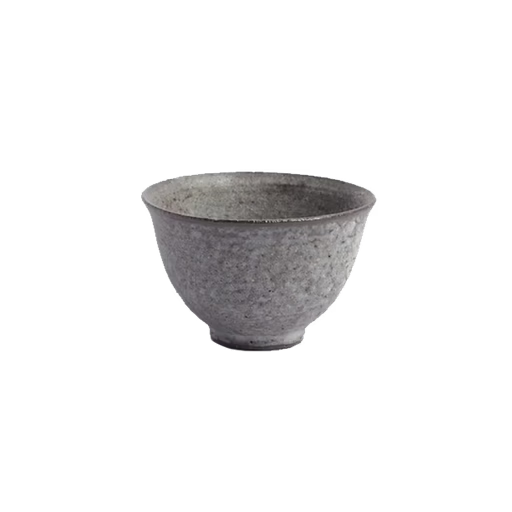
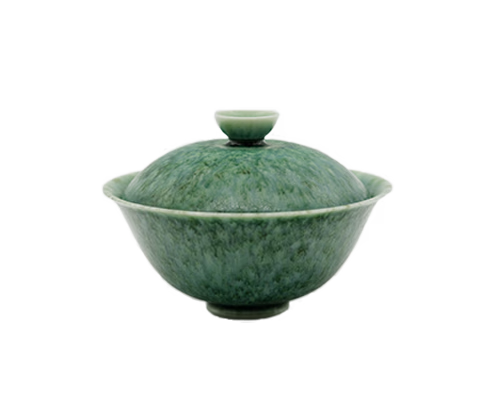
- Porcelain gaiwan recommended. Chaozhou clay or other more porous clays also pair beautifully with the depth and mineral character of this tea.
- Tea amount
- 8 to 10 g
- Water temperature
- 95 to 100°C
- Water
- Low TDS natural spring water. If using tap water, filter it and bring to a full boil.
Infusion timings
| Infusion | Steeping time |
|---|---|
| 1st | 5 seconds |
| 2nd | 10 seconds |
| 3rd | 12 seconds |
| 4th | 15 seconds |
| 5th onward | Gradually increase to taste |
Total infusions: around 10 to 15 steeps.
Water ratio
For a starting ratio, use 8 to 10 g of tea per 120 ml of water. Adjust the leaf amount to your vessel and taste.
Measure the water used in each infusion. Reuse the same leaves and adjust the quantity for a lighter or fuller cup.
Storage
Keep the tea well sealed in a cool, dry place, away from sunlight, moisture and strong smells. Reseal the packaging after each use to protect its fragrance.
Tasting notes
From landscape to cup
The character
of Shui Xian
Orchid and honeyed sweetness
Shui Xian means “narcissus,” the name of the tea cultivar. Lao Cong means “old bush,” and Wusandi is the village where this tea grows. A restrained orchid fragrance opens the cup, with a soft honey impression beneath it. The aroma develops steadily, giving this old bush Shui Xian a calm, rounded presence rather than Rou Gui’s sharper spicy lift.
Moss, old wood and bamboo leaf
A clean moss like note and the warmth of old wood give the tea its forest character. Bamboo leaf fragrance adds a dry, gently herbal layer. These impressions sit beneath the flowers, lending depth without becoming musty or stale.
Cong Wei old bush character
Cong wei (枞味) describes a group of qualities associated with mature Shui Xian bushes. Moss, wood, forest floor aromas and bamboo leaf combine with mineral depth and cooling sweetness. It is a layered impression of aroma and texture, rather than one isolated flavour.
A smooth, substantial cup
The liquor is rounded and dense, carrying hints of ripe stone fruit and cedar through its floral opening. Its colour develops from golden amber toward deeper amber or copper orange as the infusion strengthens.
A persistent finish
Floral and woody aromas remain after swallowing, followed by hui gan, or returning sweetness. Across the session, orchid and fruit move into moss, bamboo leaf and old wood before settling into a long mineral sweetness.
← Return to the oolong collectionOrigin & processing
The place behind the leaf
Wusandi
Age, stone & slow growth
Wusandi · Wuyishan · Fujian Province
The high mountains of Wu Sandi
This May 2025 harvest comes from Wu Sandi Village in Yangzhuang Township, Wuyishan, northern Fujian. Forested slopes, cool mountain air and frequent mist form the setting for a region particularly associated with old bush Shui Xian.
Wu Sandi has its own high mountain identity within Wuyi tea. Its reputation centres on mature Shui Xian gardens, with a softer, forest like expression that differs from the classic Zhengyan cliff locations.
Over eighty years of growth
Our tea comes from Shui Xian bushes over 80 years old, grown at approximately 800 to 1,200 metres. Lao cong means old bush; it describes the maturity of the plants, while Shui Xian remains the cultivar.
These mature bushes are valued for a settled texture and persistent fragrance. Their characteristic mossy and woody notes accompany the cultivar’s floral sweetness, giving the cup depth and a slow, lingering finish.
Withering and Yao Qing
The harvested leaves are allowed to wither, losing moisture and becoming softer. Repeated tossing during yao qing gently bruises their edges. Resting between movements allows partial oxidation to develop the floral and fruit aromas.
Heat fixation and shaping
At the chosen point, kill green heating stops enzymatic oxidation. The leaves are then rolled into long, twisted strips and dried. Their substantial shape reflects Shui Xian’s relatively broad leaves.
Medium charcoal roast
A medium charcoal roast gives this tea warmth while leaving its orchid and old bush character present. Toasted grain, roasted nuts and a quiet cocoa impression can accompany the deeper wood notes. The roast supports the tea’s texture and aromatic layers.
Resting and integration
After roasting, the tea rests so that the toasted edge can settle into the leaf’s fragrance. This helps the flowers, wood and sweetness become more integrated, allowing the cultivar’s character to emerge clearly in the cup.
The opened leaf
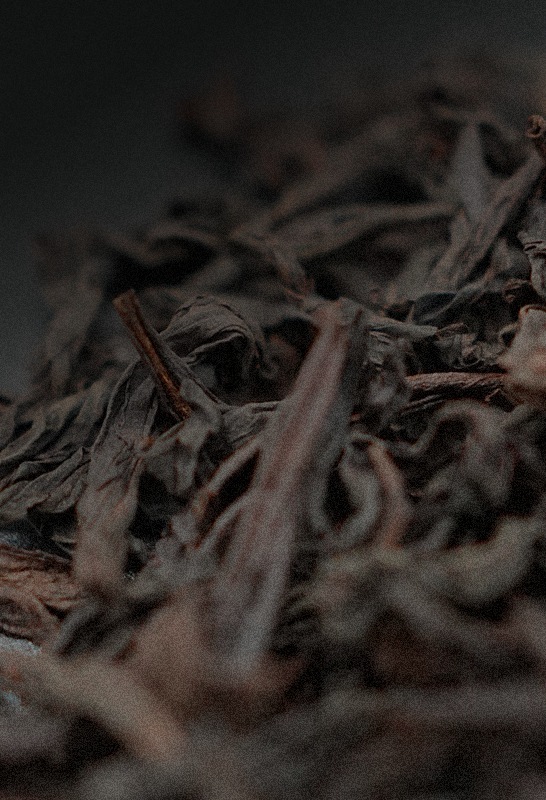
The dry tea shows long, twisted leaves in dark brown and charcoal brown tones. During brewing, they open to reveal olive green and brown surfaces with reddish edges. The clear amber liquor carries a smooth, substantial texture from one infusion to the next.
A quieter Wuyi expression
Compared with Rou Gui, the emphasis here is less on spice and more on rounded floral fragrance, forest notes and lasting sweetness. The character unfolds gradually: flowers, fruit, moss, bamboo leaf and wood, followed by the lingering depth of old bush Shui Xian.