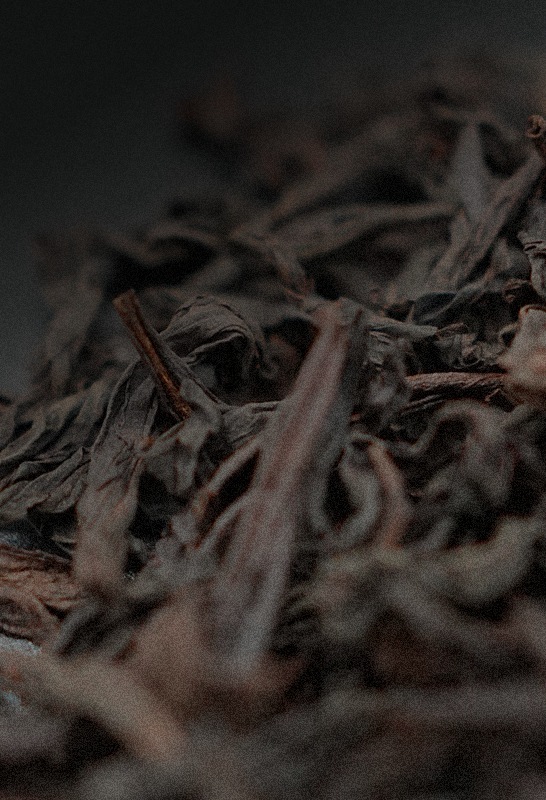
Wild TreeMilanxiang
A moment for tea
Milanxiang means “honey orchid fragrance.” Wild Tree describes the tea’s growing style, while the Chinese name evokes its sweet floral aroma.
Honey and orchid.
A smooth, fragrant cup.
Lingering floral sweetness.
- Tea
- Wild Tree Milanxiang
- Type
- Phoenix Dan Cong oolong
- Origin
- Fenghuang Mountains, Chaozhou, Guangdong, China
- Cultivar
- Mi Lan Xiang (蜜兰香)
- Format
- Loose leaf
Brewing guide
A practical starting point: plenty of leaf, freshly boiled water and quick, complete pours. Adjust each infusion to taste.
- Teaware
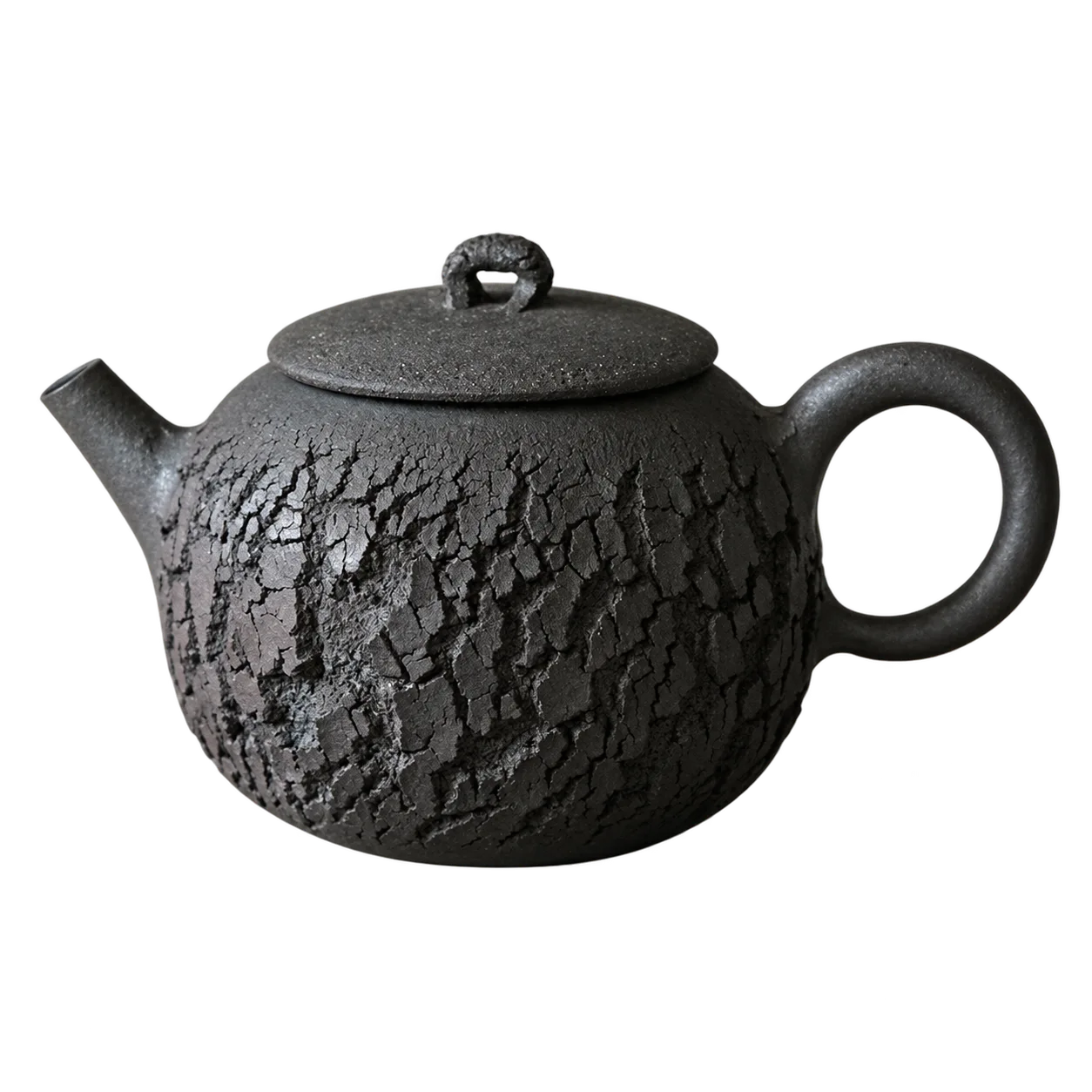
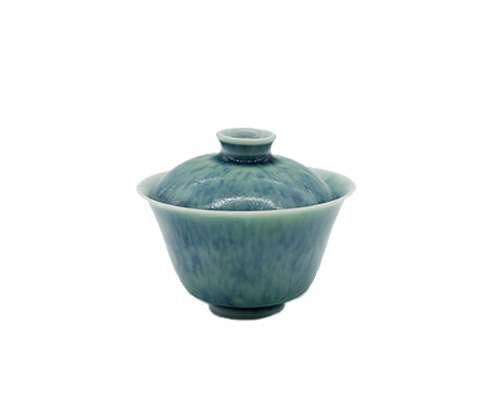
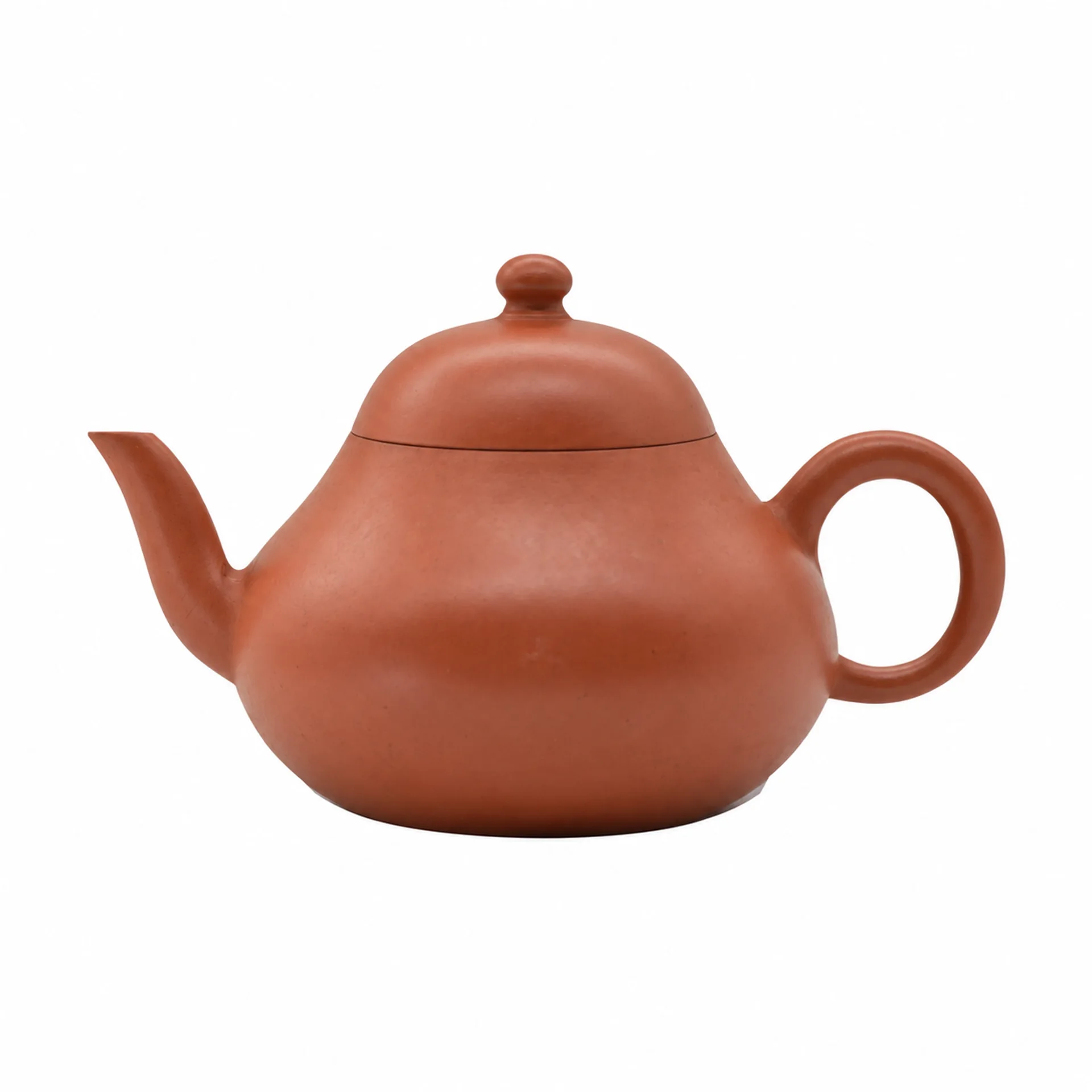
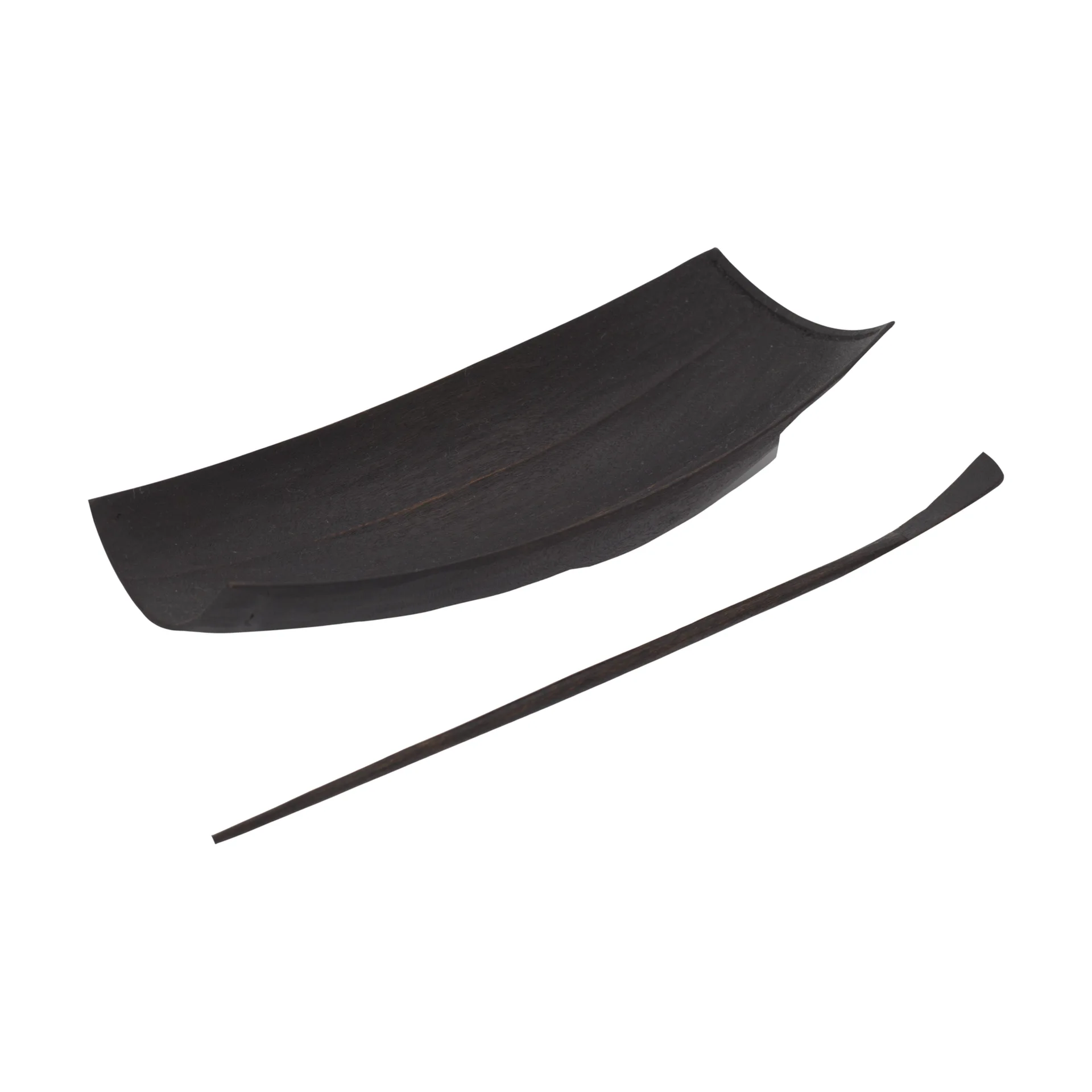
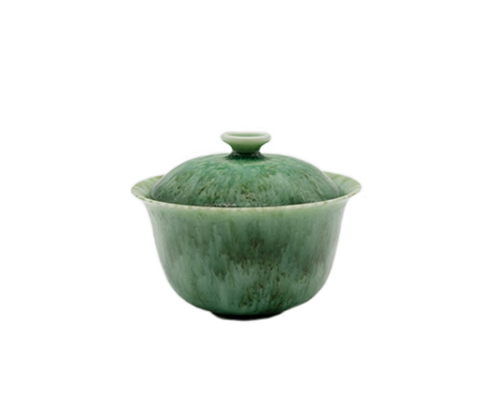
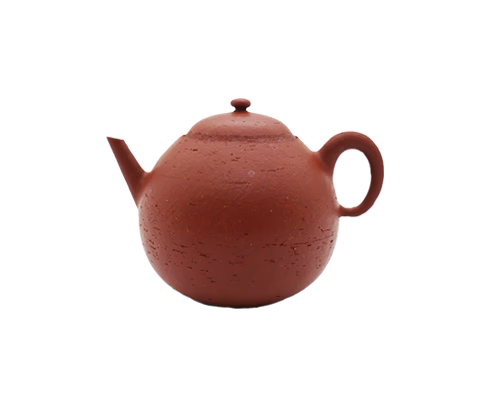
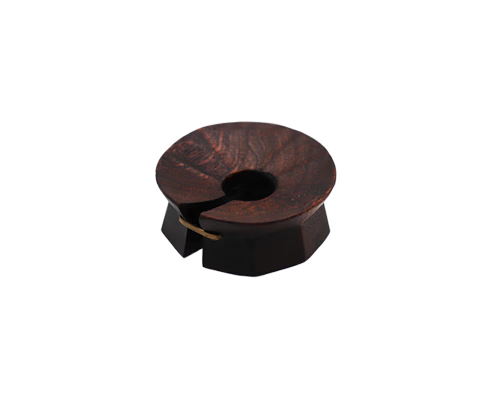
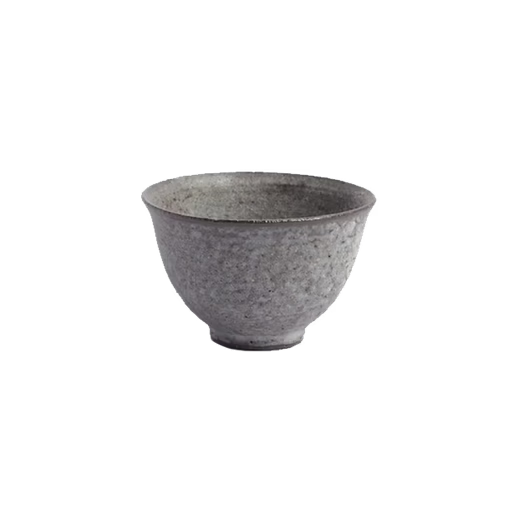
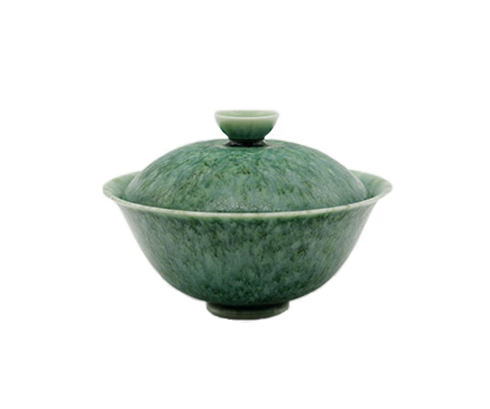
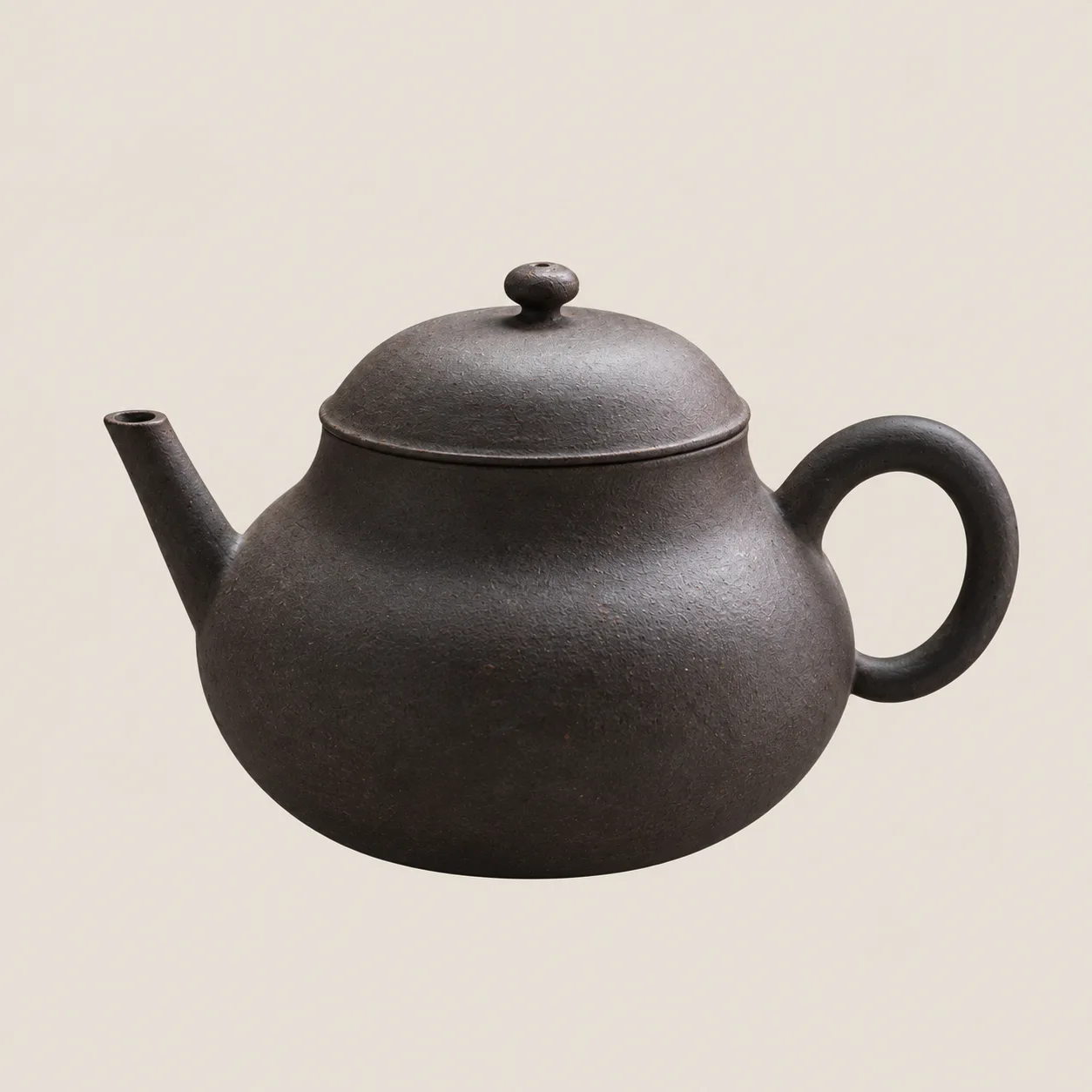
- A small Chaozhou clay teapot or porcelain gaiwan, around 100 to 110 ml
- Tea amount
- 7 to 8 g per 100 to 110 ml
- Water
- Freshly boiled water, approximately 100°C / 212°F
- Preparation
- Warm the vessel and cups. Add the leaf; if rinsing, pour off immediately.
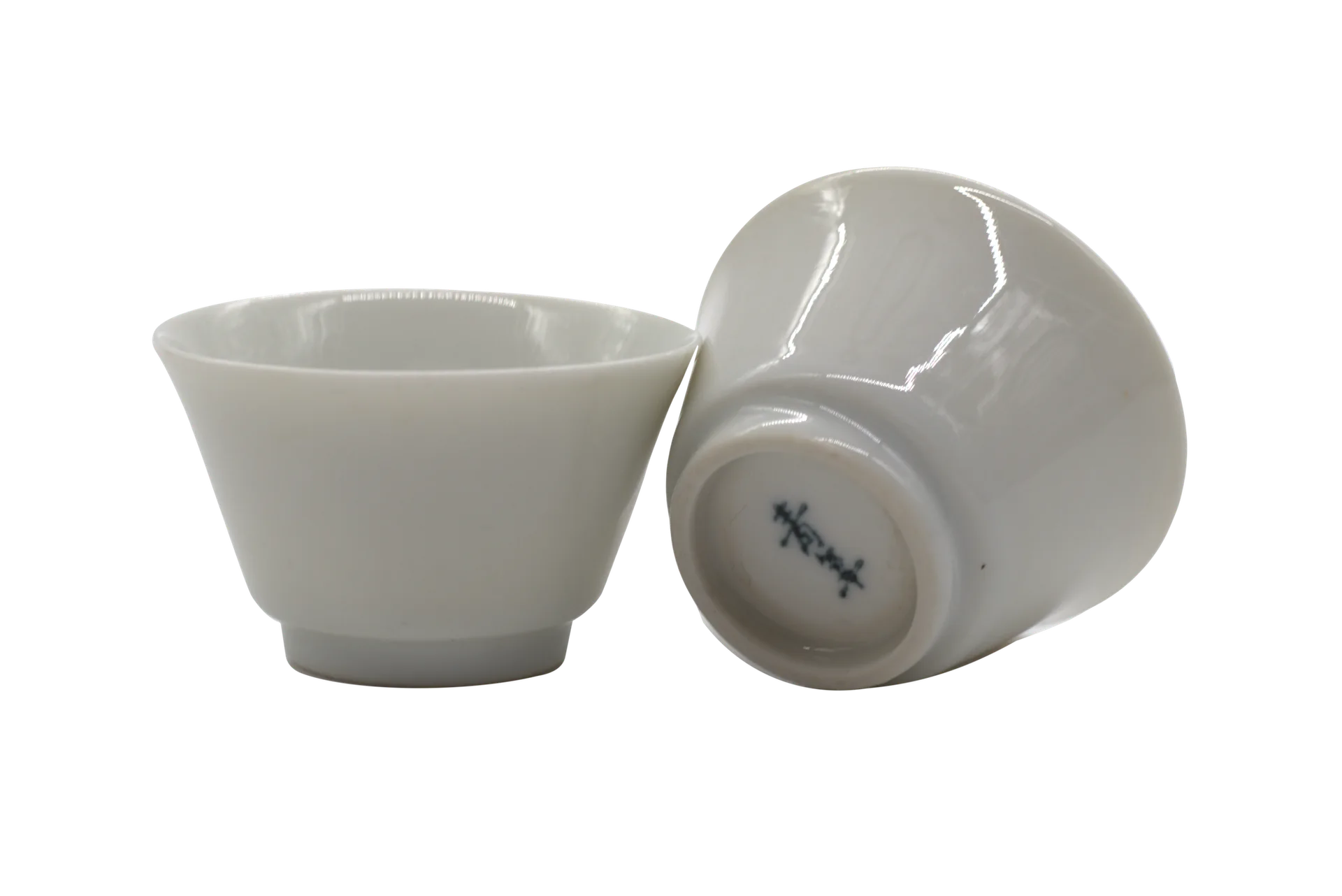
For traditional small cup service, distribute the liquor in alternating passes so each cup receives a similar strength. A sharing pitcher also works.
If the cup becomes bitter or drying, shorten the next infusion or reduce the leaf on your next session. Continue while the tea remains enjoyable.
Adjust the leaf and timing to find your preferred balance.
Infusion timings
- Infusions 1 to 3
- Begin pouring out after about 3 seconds. Drain completely and promptly.
- Infusion 4 onward
- Add roughly 2 to 3 seconds as the flavour softens; extend further in later rounds.
Empty the vessel fully between pours and adjust the timing to taste.
Water ratio
Start at approximately 1 g of leaf per 14 to 15 ml of water.
| Water | Tea |
|---|---|
| 100 ml | 7 g |
| 110 ml | 8 g |
| 140 ml | 9 to 10 g |
Use the same leaves throughout the session. Keep the first pours quick at this ratio.
Storage
Keep the tea well sealed in a cool, dry place, away from sunlight, moisture and strong smells. Reseal the packaging after each use to protect its fragrance.
Tasting notes
From landscape to cup
Wild Tree
Milanxiang
Mi Lan Xiang means “honey orchid fragrance”, a name that captures the meeting of sweetness and floral aroma associated with this Phoenix Dan Cong. This selection is offered as Wild Tree Milanxiang.
Honey like sweetness meets orchid fragrance and fruit aromatics. A smooth body carries these impressions into a lingering floral finish, sometimes accompanied by a light mineral note.
The appeal is in how fragrance and flavour support one another. Notice the aroma above the cup, then the sweetness and texture left after swallowing. Changes in infusion time and water can bring different parts of that balance forward.
← Return to the oolong collectionOrigin & processing
The place behind the leaf
Fenghuang
Honey orchid country
Fenghuang Mountains · Chaozhou · Guangdong
A Phoenix Mountain tradition
The Fenghuang Mountains in eastern Guangdong form an important home of Phoenix Dan Cong oolong. Tea gardens occupy a varied landscape of slopes, valleys and settlements around Chaozhou, where cultivation and tea making remain closely connected to local life.
Mountain conditions vary with altitude and exposure. Humidity, cloud, sunlight and temperature differ from one garden to another, forming part of the setting in which tea plants grow. The maker’s handling of the leaf adds another layer to the final character.
Reading the regional landscape
The elevation chart compares documented reference points across the wider Fenghuang region, from individual tea garden survey sites to reported village elevations and the highest summit, Fenghuang Ji. It provides regional context rather than identifying the precise garden or altitude of this Milanxiang.
Honey orchid fragrance
Mi Lan Xiang is recognised for the combination of honey like sweetness and floral aroma reflected in its name. These tasting terms describe the tea’s aromatic character; they do not mean honey or orchids have been added.