ZhengshanXiaozhong Smoked
A moment for tea
Pine smoke, dried longan and floral honey.
A warming, rounded red tea.
- Tea
- Zhengshan Xiaozhong Smoked
- Type
- Red tea
- Origin
- Tongmu, Wuyishan, Fujian, China
- Format
- Loose leaf
Brewing guide
- Teaware
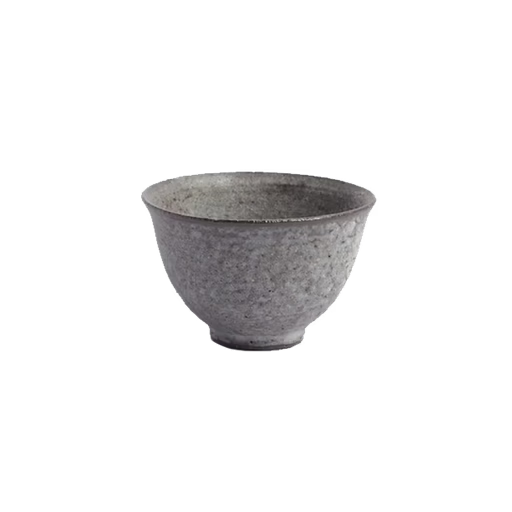
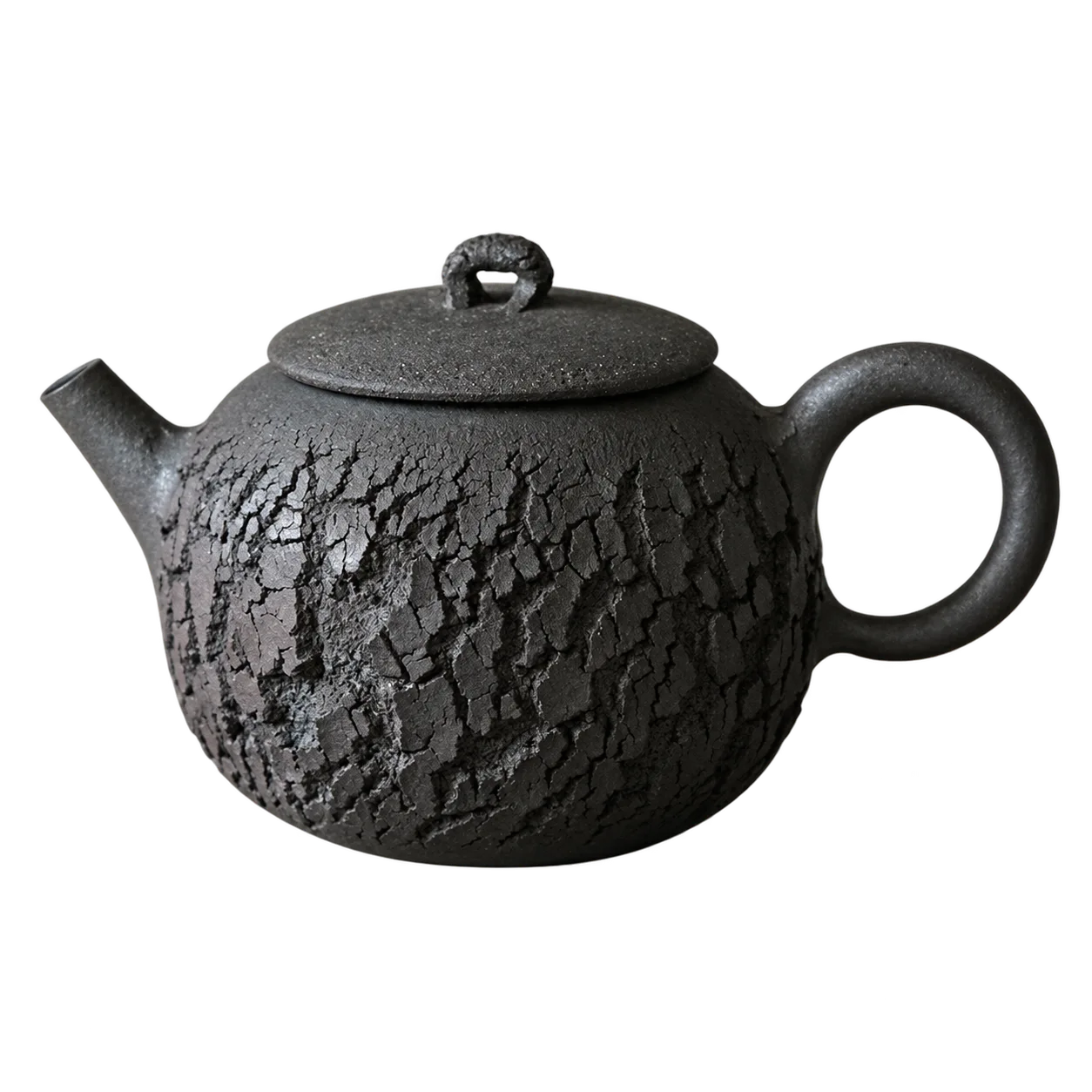
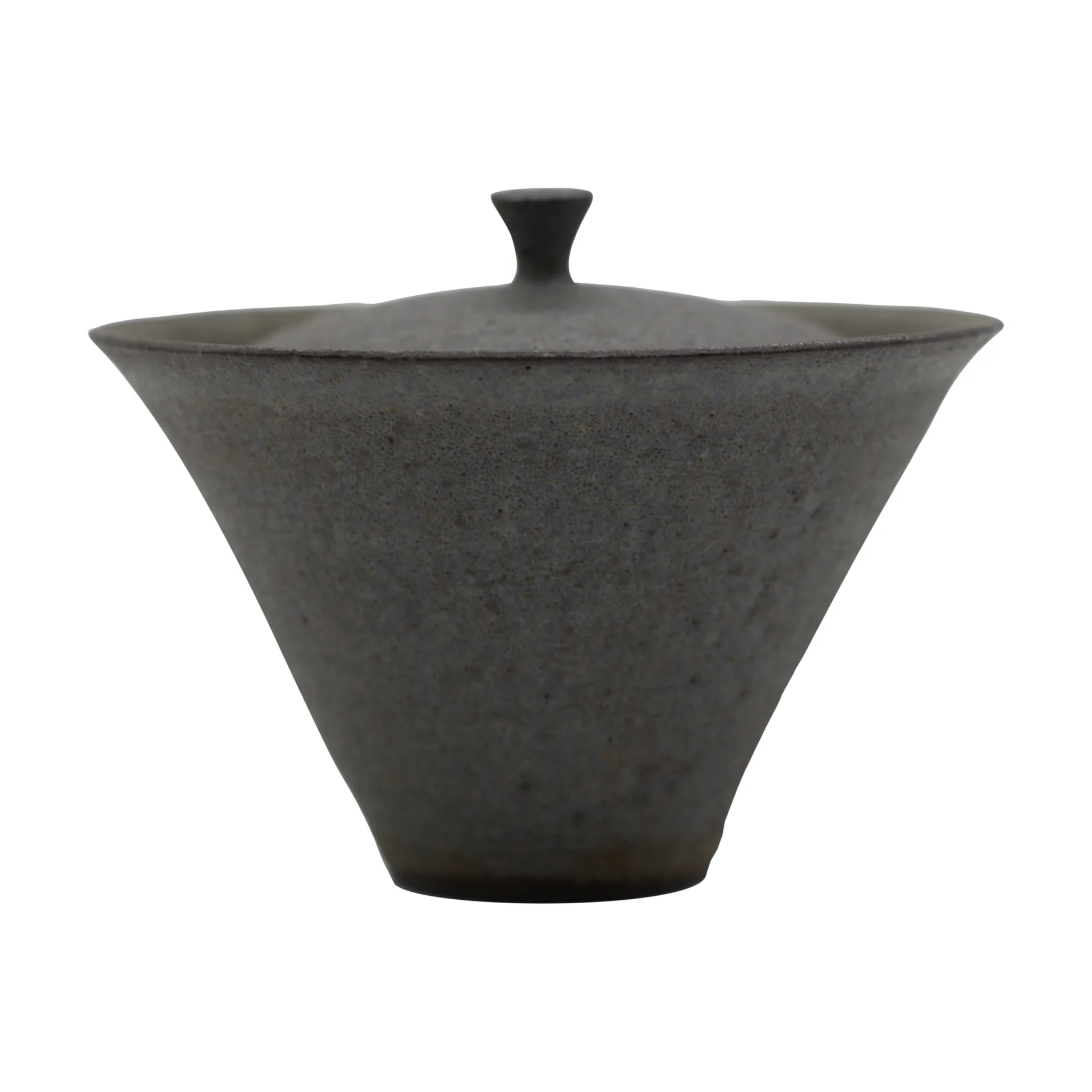
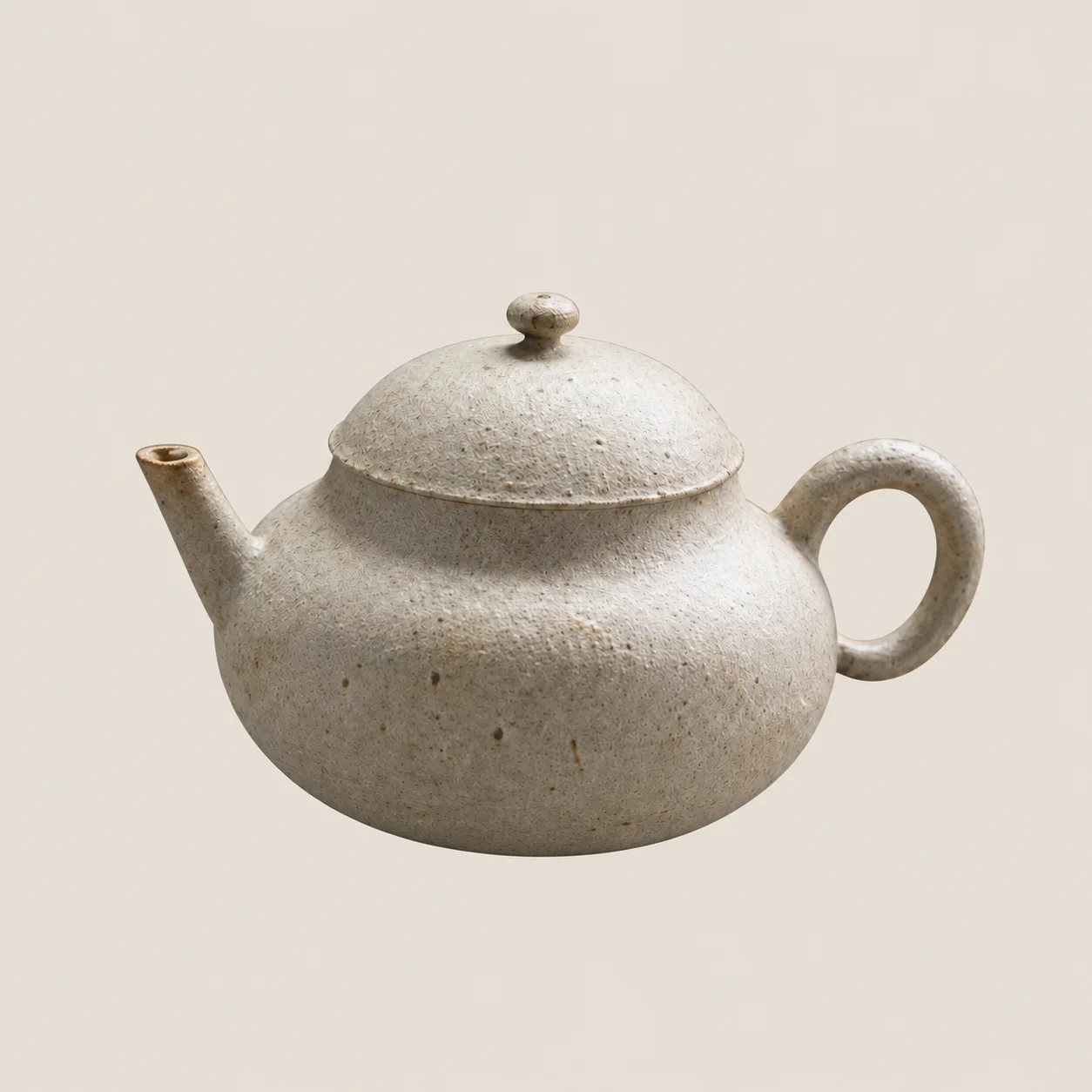
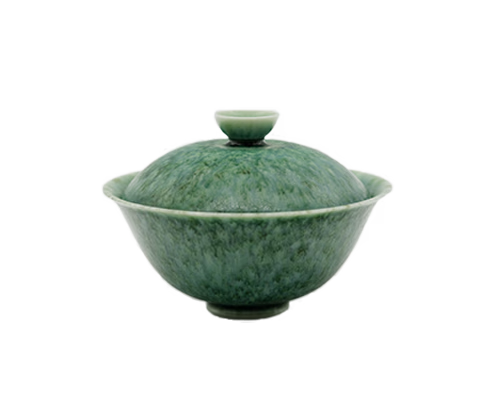
- 100 ml gaiwan or small teapot
- Tea amount
- 5 g
- Water
- 90 to 95°C / 194 to 203°F
Warm the vessel first, then adjust these starting parameters to taste.
Following the infusions
Use filtered water and empty the vessel completely between steeps. Around five to seven infusions can be a useful starting expectation; let the remaining flavour guide you.
Brewing a larger cup
For a 240 ml cup, use 3 to 4 g of leaf at 90 to 95°C / 194 to 203°F and steep for 2 to 3 minutes. Try it plain first to appreciate its natural sweetness. Shorten the steep if bitterness begins to obscure the fruit.
Infusion timings
- First infusion
- 15 to 20 seconds; drain fully
- Following infusions
- Add 5 to 10 seconds, adjusting to taste
Empty the vessel fully between pours and adjust the timing to taste.
Water ratio
Start with 5 g of tea per 100 ml of water.
Measure the water used in each infusion. Reuse the same leaves and adjust the quantity for a lighter or fuller cup.
Storage
Keep the tea well sealed in a cool, dry place, away from sunlight, moisture and strong smells. Reseal the packaging after each use to protect its fragrance.
Tasting notes
From landscape to cup
Zhengshan
Xiaozhong Smoked
What the name means
Zhengshan Xiaozhong means roughly “small variety from the original mountain.” Zhengshan refers to the traditional mountain origin around Tongmu, while Xiaozhong means “small variety,” often rendered in English as “small leaf variety.”
Zhengshan Xiaozhong and Lapsang Souchong
Lapsang Souchong is the familiar English trade name associated with this tea tradition. In modern shops it usually suggests the pine smoked style, while Zhengshan Xiaozhong is used for both smoked and unsmoked teas. The names overlap; they do not always identify two separate kinds of tea.
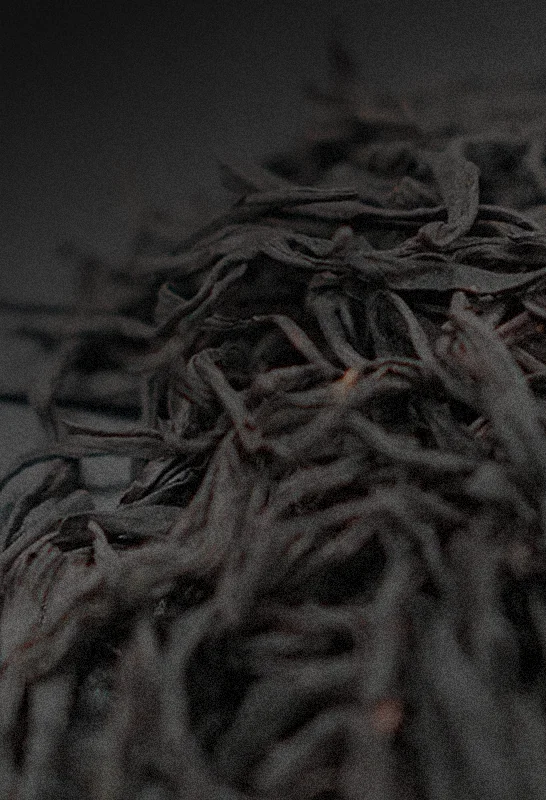
Our smoked version carries pine smoke alongside dried longan and honey. The smoke comes from traditional processing with pinewood smoke, adding another aromatic layer to the red tea.
Pine smoke and warm wood
Pine smoke gives this style its distinctive opening: a warming, resinous aroma with the character of a wood fire. Beneath it, softer woody notes give the profile depth. Smoke intensity varies between teas, from a gentle aromatic layer to a more pronounced fireside character.
Dried longan and floral honey
Dried longan brings a distinctive fruit sweetness, bringing mellow sweetness beneath the smoke. Floral honey adds a lighter aromatic layer, allowing the cup to feel sweet and fragrant as well as warming.
Body and finish
A smooth, rounded texture supports the interplay of fruit, wood and smoke. The finish can carry both sweetness and a lingering smoky impression.
← Return to the red tea collectionOrigin & processing
The place behind the leaf
Tongmu Valley
Wuyishan
Tongmu Valley · Wuyishan · Fujian · China
A mountain home
Tongmu lies in the Wuyi Mountains of northern Fujian, close to the Jiangxi border. Tea growing areas around Jiangdun, Miaowan and Masu occupy slopes and valleys at approximately 700 to 1,200 metres (2,297 to 3,937 feet). Above this landscape rises Huanggang Shan, the highest peak in the Wuyi Mountains, at 2,160.8 metres (7,089 feet).
The Tongmu tradition
Zhengshan Xiaozhong is associated with Tongmu in the Wuyi Mountains of Fujian. Its smoked expression is widely known as Lapsang Souchong, a name closely connected with pine fired red tea.
How smoke becomes part of the tea
Traditional production uses pine smoke during withering and drying. The leaves take on its aroma as they are processed, creating the characteristic combination of smoke and dried longan fragrance.
Smoke and the workshop
Traditional smoking workshops, known as qinglou, use several levels to separate the leaves from the pine fire below. Heat and smoke pass upwards through the building, surrounding the leaves during processing and giving the smoked style its distinctive pine aroma.
A range of expressions
Smoking is not a single fixed intensity. The balance depends on the producer’s approach, and a stronger smoky aroma does not describe every example. Fruit, sweetness and texture are equally useful parts of the tasting experience.